

Florida’s seat belt laws ensure road safety—and influence car accident claims. Whether you are a driver or a passenger, understanding these laws and their implications is essential. They may apply if you’re ever involved in an accident. Here, we’ll break down the key aspects of Florida’s seat belt regulations, how they affect car accident claims, and what you should know to protect your rights.
Understanding Florida’s Seat Belt Laws
Florida has strict seatbelt laws. Their main purpose is to reduce injuries and fatalities on the road. These laws are governed by Florida Statute 316.614, commonly known as the “Florida Safety Belt Law.” Here’s what you need to know:
Who Is Required to Wear a Seatbelt?
- Drivers and Front-Seat Passengers: All drivers and front-seat passengers must wear a seatbelt.
- Passengers under 18: Passengers under 18 must wear a seatbelt or be secured in a child restraint device.
- Exceptions: Certain individuals, such as those with medical exemptions or drivers of specific vehicles, may be exempt from this law.
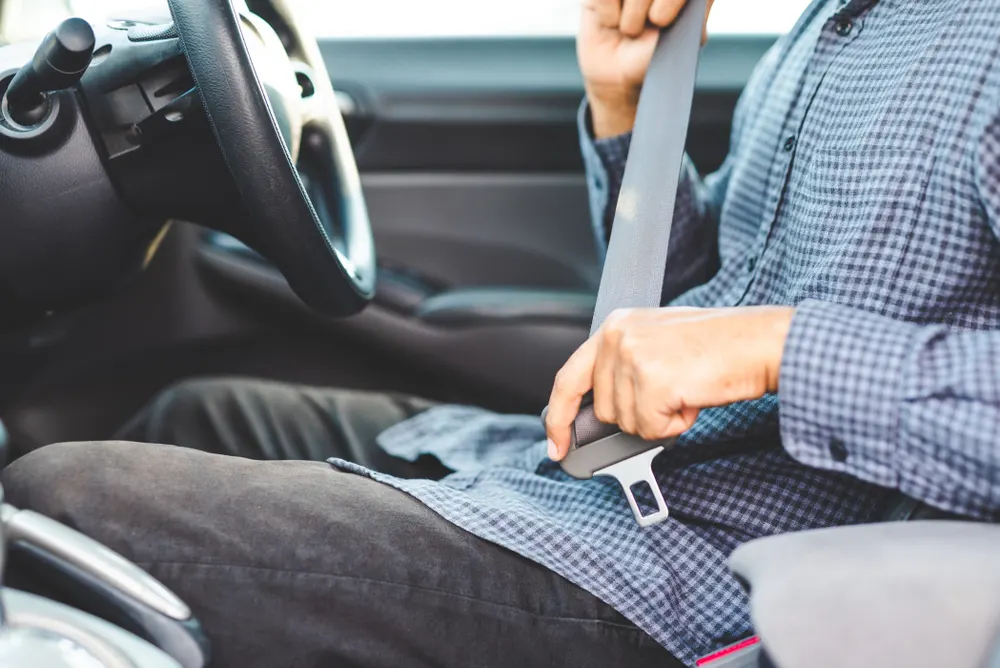
Wearing a seatbelt can guard against severe injury or death should an accident occur.

Florida Statute 316.614: “It is unlawful for any person to operate a motor vehicle unless a safety belt or child restraint device restrains every passenger of the vehicle under 18.”
How Seatbelt Use Impacts Car Accident Claims
Your use (or lack) of a seatbelt can directly impact the outcome of a car accident claim in Florida.
While seatbelt laws are intended to promote safety, they also play a role in determining liability and compensation in personal injury cases.
Comparative Negligence in Florida
Florida follows a comparative negligence rule. This means that in a personal injury case, your compensation can be decreased based on your share of fault in the accident.
If you weren’t wearing a seatbelt during an accident, the defense might argue that your injuries were partially your fault. This could impact how much compensation you may be eligible to receive.
For example:
- If you’re awarded $100,000 in damages but are found 20% at fault for not wearing a seatbelt, your compensation would be reduced to $80,000.
National Highway Traffic Safety Administration (NHTSA): “Seat Belts reduce the risk of death by 45% for front-seat passengers.”
Establishing Liability
Insurance companies and defense attorneys often scrutinize seatbelt compliance.
They might argue that your injuries could have been prevented or reduced if you were wearing a seatbelt.
However, it’s crucial to remember that failing to wear a seatbelt doesn’t bar you from recovering damages.
Common Misconceptions About Seatbelt Laws and Claims
There are several misconceptions regarding seat belt laws and how they affect car accident claims. Let’s clarify the most common ones:
Misconception 1: “If I wasn’t wearing a seatbelt, I can’t recover damages.”
Reality: Not wearing a seatbelt doesn’t disqualify you from filing a claim. It may reduce your compensation, but you can still recover damages based on the other driver’s fault.
Misconception 2: “A seatbelt ticket automatically voids my claim.”
Reality: Receiving a seat belt citation doesn’t mean you’re solely at fault for the accident. Courts consider multiple factors when determining liability.
Misconception 3: “Seat Belt laws only apply to drivers.”
Reality: Passengers are also subject to seat belt laws. Not wearing a seatbelt could impact a passenger’s ability to recover total compensation for injuries.
Recent Statistics
Seat Belt Statistics in Florida
- According to the Florida Department of Highway Safety and Motor Vehicles (FLHSMV), 91% of Floridians use seat belts regularly.
- The NHTSA reports that seatbelts saved approximately 14,955 lives nationwide in 2017 alone.
Comparative Analysis of Fault and Compensation
Below is a table illustrating how fault percentages can affect compensation in cases where seatbelt use is a factor:
| Scenario | Victim’s Fault Percentage | Potential Compensation Reduction |
| Wearing a seatbelt | 0% | None |
| Not wearing a seatbelt | 20% | 20% of awarded damages deducted |
| Shared fault (e.g., speeding and no seatbelt) | 40% | 40% of awarded damages deducted |
Frequently Asked Questions: Your Questions Answered
Q: How do seatbelt laws affect my insurance claim in Florida?
Seat Belt laws can influence fault assessments. The compensation you might receive could be reduced if you weren’t wearing a seatbelt at the time of the accident.
Q: Can I still file a claim if I wasn’t wearing a seatbelt?
Yes, you can file a claim. However, your compensation may be reduced under Florida’s comparative negligence rules.
Q: What if I was a passenger and not wearing a seatbelt?
Passengers are also subject to Florida’s seat belt laws. If injured, their non-compliance can reduce compensation.
Q: Does a seatbelt ticket affect my accident claim?
While a seatbelt ticket may be considered evidence, it doesn’t automatically void your claim or make you fully liable.
Q: What if the at-fault driver wasn’t wearing a seatbelt?
The at-fault driver’s seatbelt use does not impact their liability for the accident.
Get Help With a Florida Car Accident Involving Seat Belt Laws
Florida’s seat belt laws are designed to protect drivers and passengers. That said, they can also significantly impact car accident claims. Understanding these laws is critical to safeguarding your rights, whether dealing with reduced compensation or facing arguments from insurance companies.
At Buckman, Buckman & Castellano, P.A., we have extensive experience navigating Florida’s personal injury laws, including cases involving seatbelt use. If you’ve been injured in a car accident, we’re here to help you understand your options and build a strong case.
Let us help you navigate the complexities of your car accident claim. Contact us today for a case evaluation.