College is meant to be a time of growth, learning, and exploration—grounded in the expectation that campuses will provide safe environments. For far too many students, that expectation is shattered by sexual assault.
National data underscores the scope of the problem. Roughly one in five women and one in sixteen men experience sexual assault during their college years. Behind those numbers are students whose lives have been fundamentally altered by violence they never should have encountered on property controlled by their schools.
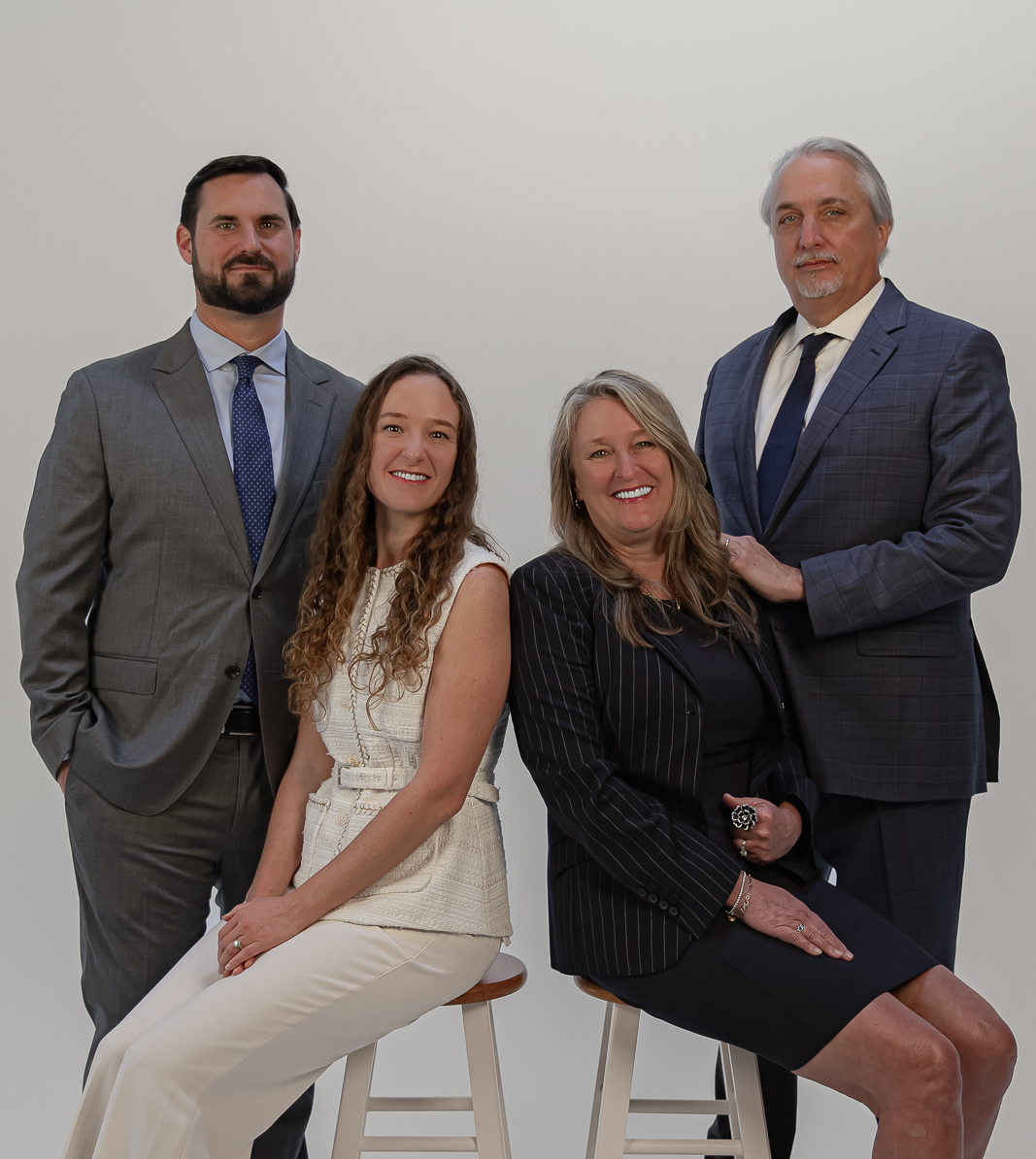
Buckman, Buckman & Castellano, P.A. represents sexual assault survivors in civil claims against colleges, universities, and individual perpetrators throughout Sarasota and across Florida. Our approach combines strategic, experience-driven advocacy with the sensitivity required when working with trauma survivors. The objective is twofold: holding institutions accountable when they fail to protect students and securing compensation that supports long-term healing and stability.
Understanding the Legal Context
Under the law, sexual assault includes any non-consensual sexual contact, ranging from unwanted touching to rape. On college campuses, these incidents often involve acquaintances rather than strangers—classmates, roommates, dating partners, or people met through campus events or parties.
At the center of most cases is the issue of consent. For consent to be valid, it must be voluntary, informed, and ongoing. A person incapacitated by alcohol or drugs cannot legally consent. The same is true for someone who is asleep or unconscious. Silence, lack of resistance, or prior sexual activity does not establish consent for a particular encounter.
Substance use plays a significant role in many campus assaults. In some cases, perpetrators intentionally use alcohol or drugs to incapacitate victims. In others, they exploit situations where a student voluntarily consumed substances but became too impaired to give informed consent.
How Colleges Fail to Protect Students
Title IX of the Education Amendments of 1972 requires federally funded schools to address sexual violence and harassment. While the law establishes clear obligations, compliance often falls short.
Inadequate Campus Security
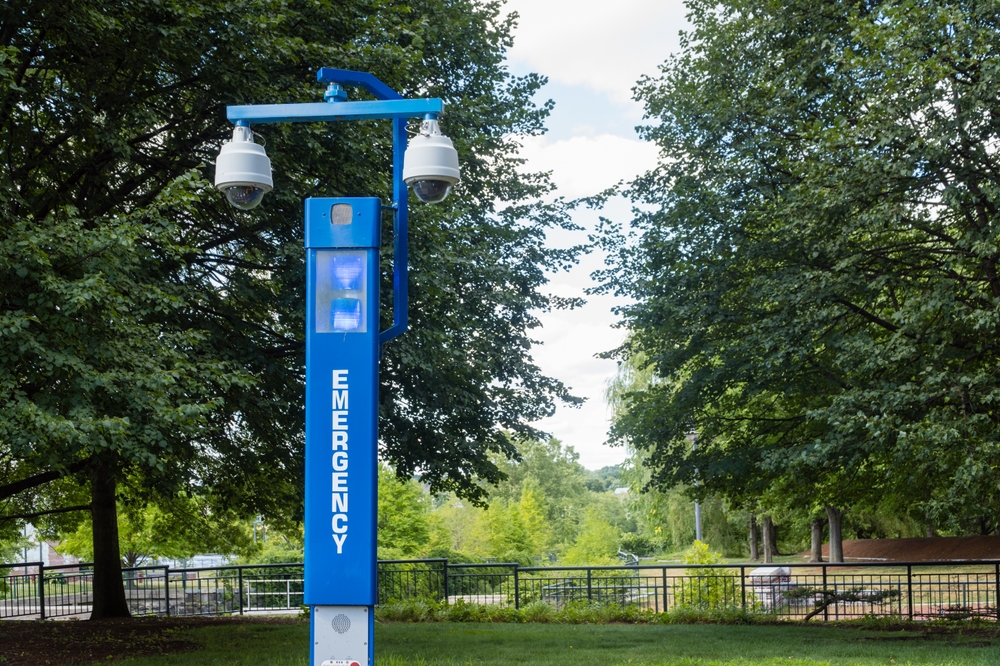
Negligence frequently appears in the form of deficient campus security. Poor lighting, broken or unsecured dormitory doors, insufficient patrols, and unrestricted building access all increase the risk of assault. When schools are aware of these deficiencies and fail to correct them, they may be held liable for resulting harm.
Design and planning decisions also matter. Isolated buildings, dimly lit walkways between dormitories and academic facilities, and inadequately secured parking structures create foreseeable opportunities for assault—risks that proper planning and maintenance could significantly reduce.
Failure to Respond to Known Risks
Warning signs are often ignored. Institutions may receive multiple reports involving the same student, learn of registered sex offenders near campus, or identify patterns of assault in particular locations, yet fail to act decisively. This disregard for known risks can amount to deliberate indifference.
Problems escalate when administrators mishandle reports. Failing to investigate complaints thoroughly, declining to impose meaningful discipline, or allowing known perpetrators to remain on campus without restriction exposes other students to danger. In many cases, serial offenders commit multiple assaults before any meaningful intervention occurs.
Mishandling Title IX Investigations
Federal law requires prompt and impartial investigations of sexual assault complaints. Many schools fall short of this standard. Investigations may drag on for months, forcing survivors to continue encountering their assailants. Investigators are often inadequately trained, particularly in trauma-informed interviewing, and schools frequently fail to provide interim protections such as no-contact orders, housing changes, or academic accommodations.
Some institutions go further, actively discouraging reports. Survivors may face hostile questioning, procedural roadblocks, or warnings that reporting could jeopardize their academic standing. These tactics reflect an effort to protect institutional reputation rather than student safety.
Retaliation Against Survivors
Title IX expressly prohibits retaliation against individuals who report sexual assault or participate in investigations. Despite this prohibition, retaliation remains common. Survivors may experience harassment, social isolation, pressure from student organizations, or adverse academic consequences. When schools fail to prevent or address retaliation, they expose themselves to additional legal liability.
Civil Claims Against Colleges and Universities
Criminal cases and campus disciplinary proceedings do not provide financial compensation. Civil lawsuits, by contrast, allow survivors to hold institutions financially accountable for the harm they suffered.
Title IX Claims
Schools that receive federal funding may be liable under Title IX when they respond to known sexual harassment or assault with deliberate indifference. In this context, deliberate indifference means responding in a manner that is clearly unreasonable under the circumstances.
Establishing liability requires proof that school officials with the authority to take corrective action had actual knowledge of the misconduct and failed to respond appropriately. Evidence often shows that institutions ignored repeated complaints, conducted superficial investigations, or permitted known perpetrators to remain on campus.
State Law Negligence Claims
In addition to Title IX, Florida law allows negligence claims when schools fail to provide reasonably safe environments. These cases focus on whether the institution knew—or should have known—about foreseeable risks and failed to take reasonable steps to prevent harm.
Claims may be based on inadequate security measures, failure to warn students of known dangers, negligent hiring or retention of employees, or failure to follow established safety policies and procedures.
Premises Liability
When unsafe physical conditions directly contribute to an assault—such as broken locks, inadequate lighting, or unsecured access points—premises liability claims may apply.
Claims Against Perpetrators
Civil actions may also be brought against individual perpetrators for assault, battery, and intentional infliction of emotional distress. While perpetrators may not always have substantial assets, civil judgments provide important legal validation and establish mechanisms for future recovery if financial circumstances change.
Damages in Campus Sexual Assault Cases
Sexual assault causes profound and lasting harm, and damages must reflect the full extent of its impact. Proper compensation accounts not only for immediate losses, but also for the long-term personal, educational, and professional consequences survivors often face.
Medical and counseling expenses commonly extend well beyond emergency treatment. Testing, follow-up care, and years of trauma-informed therapy may be necessary to address PTSD, depression, anxiety, and other related conditions.
Academic progress frequently suffers in the aftermath of assault. Interrupted coursework, delayed graduation, lost tuition, and declining performance during recovery can permanently alter educational paths and eliminate future opportunities.
There can be career-related consequences, as well. Time away from school or work, delayed entry into the workforce, and ongoing trauma-related symptoms can significantly reduce lifetime earning capacity and limit professional advancement.
The law also recognizes the non-economic toll. Pain and suffering damages compensate for physical pain, emotional distress, fear, humiliation, and the lasting loss of enjoyment of life caused by sexual violence.
Why These Cases Are Challenging
Campus sexual assault cases present obstacles rarely found in other civil claims, especially for survivors proceeding without experienced legal counsel.
In many cases, evidence is limited. Assaults typically occur in private, without witnesses, and physical evidence may be minimal or unavailable. As a result, cases frequently turn into intense credibility disputes.
Defense strategies commonly focus on attacking survivors rather than addressing institutional failures. Irrelevant aspects of a victim’s life—such as sexual history, alcohol use, or delayed reporting—may be scrutinized in an effort to imply consent or undermine truthful testimony.
When colleges or universities are defendants, the imbalance of power becomes even more pronounced. Institutions possess extensive resources, seasoned defense teams, and strong incentives to protect their reputations. Litigation tactics often rely on delay and expense, hoping survivors will abandon their claims.
Strict filing deadlines add further pressure. In Florida, negligence claims generally must be filed within four years, while assault claims typically carry a two-year limitations period. These deadlines usually run from the date of the assault or from when the survivor reasonably discovered the connection between the assault and their injuries.
What to Do After Campus Sexual Assault
Steps taken after an assault can affect both personal recovery and future legal options. Your immediate safety comes first. If you are in danger, call 911 and get to a secure location.
Medical care is important even when injuries are not visible. Emergency departments can provide treatment, test for sexually transmitted infections, offer emergency contraception, document injuries, and collect forensic evidence.
It can be critical to preserve evidence. If possible, avoid showering, bathing, douching, or changing clothes before a medical examination. Store clothing in a paper bag and save all communications with the perpetrator.
Consider reporting the incident to campus police, local law enforcement, or your school’s Title IX office. Reports create official records and can initiate investigations.
Support is available. Confidential resources include counseling services, sexual assault crisis centers, and victim advocates. The National Sexual Assault Hotline (800-656-4673) provides 24/7 confidential support.
Documentation matters. Keep copies of reports, communications with school officials, medical records, and detailed notes. This information often becomes crucial evidence later.
How We Help Sexual Assault Survivors
Representing sexual assault survivors requires both legal skill and deep respect for trauma.
Buckman, Buckman and Castellano, P.A., handles the legal process so clients can focus on healing. Our role is to reduce the burden on survivors while pursuing meaningful accountability.
Each case is built through thorough investigation, including gathering records, interviewing witnesses, and working with experts in trauma, campus security, and institutional practices. Strong evidentiary foundations counter efforts to shift blame onto victims.
We structure representation around the survivor’s needs and pace, adapting strategy and timing to accommodate individual circumstances.
When institutions fail to protect students, aggressive advocacy is essential. We pursue claims addressing security failures, policy violations, and deliberate indifference, seeking full compensation for all resulting damages.
Throughout every stage, confidentiality remains a priority. Protective orders and other legal tools are used whenever possible to safeguard privacy.
Moving Forward
Sexual assault has a profound impact, but healing is possible. Legal action can play an important role—holding perpetrators and institutions accountable, securing compensation, and helping prevent future assaults by forcing systemic change.
If you experienced sexual assault on a college campus in Sarasota or elsewhere in Florida, Buckman, Buckman and Castellano, P.A. offers confidential consultations. We listen with respect, explain your options clearly, and help you decide how to move forward.
You did not deserve what happened. You deserve support, accountability, and compensation that helps you rebuild your life.
Contact us for a free consultation
We work with clients in Sarasota, Venice, Bradenton, North Port, Tampa, Orlando, Jacksonville and throughout Florida. Get in touch with us today and tell us what happened to you. We will review your case for free and with no further obligation from you.
Buckman, Buckman & Castellano, P.A.