Real estate often represents the most valuable asset people own, and figuring out how to pass it to family members without complications requires careful planning. Probate can tie up property for months while racking up legal fees and court costs. Traditional life estate deeds avoid probate but create their own problems—you lose control of your property during your lifetime and face tax consequences your heirs won’t appreciate.
Ladybird deeds, also called enhanced life estate deeds, offer a better solution for many Florida property owners. You keep complete control of your property while you’re alive—you can sell it, mortgage it, or change your mind about who inherits it, all without anyone’s permission. When you die, the property transfers automatically to your beneficiaries outside of probate. No court involvement, no delays, no unnecessary expense.
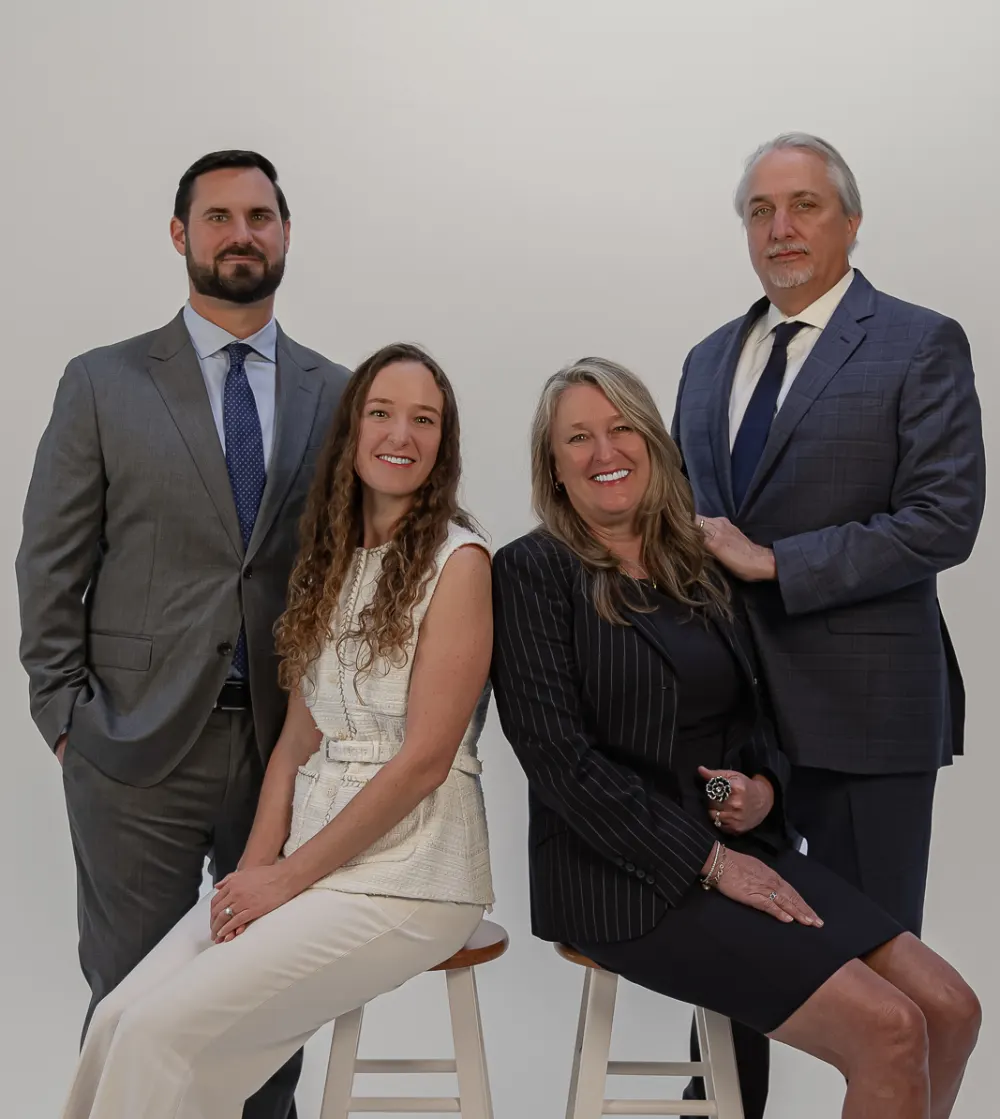
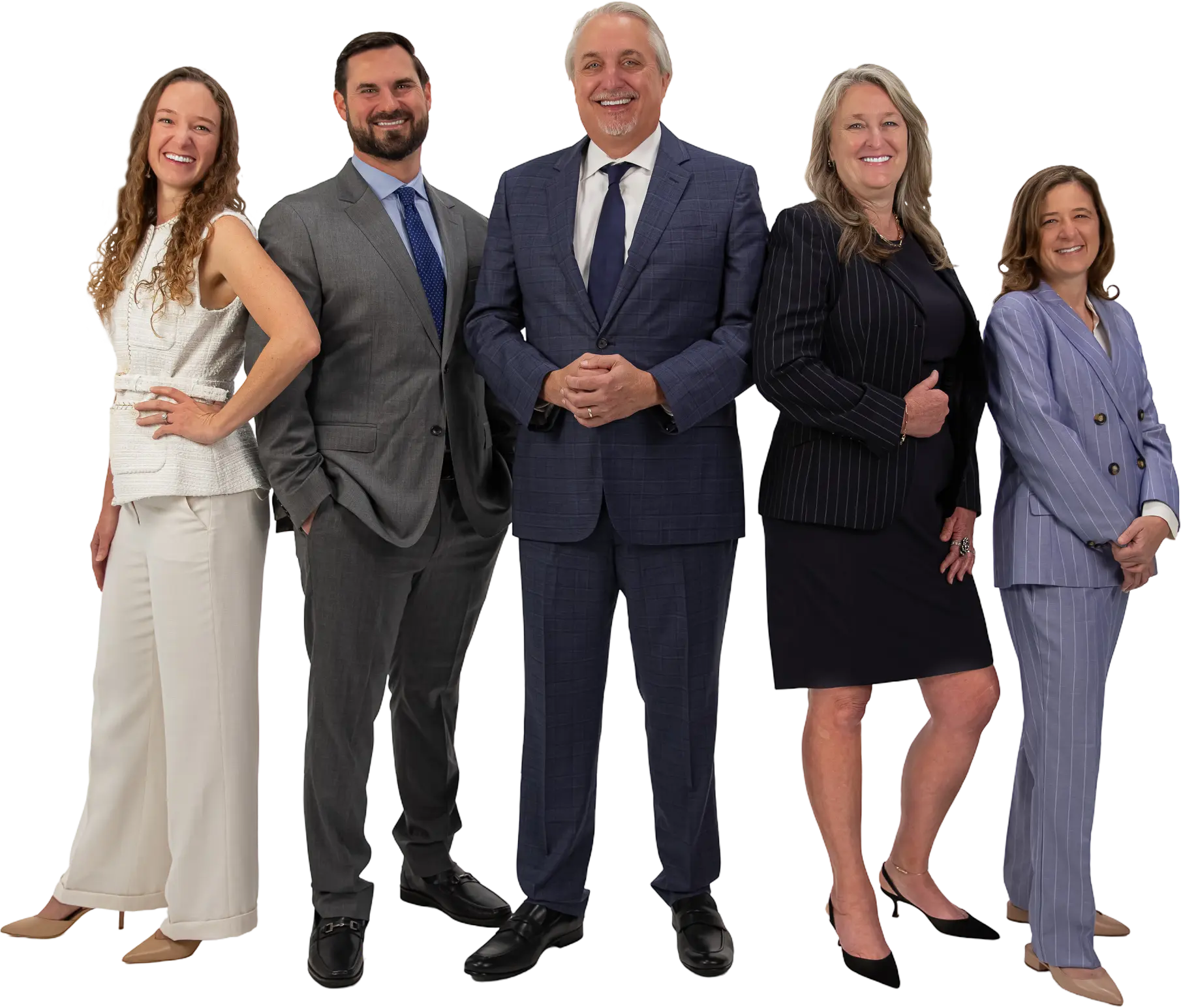
At Buckman, Buckman & Castellano, P.A., we help Sarasota property owners use ladybird deeds to transfer real estate efficiently while maintaining control and flexibility during their lifetimes. We make sure these deeds are properly drafted and recorded to accomplish your goals without creating unintended problems.
What Makes Ladybird Deeds Different
A ladybird deed lets you transfer property to beneficiaries after your death while keeping a “life estate with enhanced powers” during your lifetime. That enhanced powers language is what sets Ladybird Deeds apart from traditional life estate deeds.
With a traditional life estate deed, you retain the right to live on the property until you die, but you can’t sell it or mortgage it without the remainder beneficiaries’ signatures. If you change your mind about who should inherit, you need their cooperation to modify the deed. You’ve essentially given away significant control while you’re still alive.
Ladybird deeds avoid these problems through enhanced powers that let you:
- Sell the property without anyone else’s permission or signature—if you need to move into assisted living or simply want to downsize, you can do so freely
- Mortgage or refinance on your own—you don’t need beneficiaries’ approval for reverse mortgages or refinancing
- Revoke or change the beneficiary designation anytime—relationships and circumstances change, and you can modify who inherits or cancel the transfer entirely just by recording a new deed
- Lease the property and collect rent if you choose—the rental income is yours
You maintain complete ownership and control during your lifetime. The property only transfers to beneficiaries upon your death, and only if you still own it at that time.
How Ladybird Deeds Avoid Probate
Probate in Florida can take six months to a year or longer. During that time, the property sits in legal limbo. Nobody can sell it, refinance it, or make major decisions about it without court approval. Beneficiaries wait while the estate pays attorney fees, court costs, and other administrative expenses.
Ladybird deeds bypass probate entirely. When you die, the property transfers automatically to your named beneficiaries by operation of law. They record your death certificate with the property appraiser’s office, and they become the new owners. No probate court involvement, no waiting, no unnecessary legal fees.
This automatic transfer happens outside your probate estate. Even if you have a will that goes through probate for other assets, real estate transferred by a Ladybird Deed doesn’t get caught up in that process.

Tax Benefits of Ladybird Deeds
One of Ladybird Deeds’ most valuable features involves capital gains tax implications.
Capital gains taxes become an issue when beneficiaries eventually sell inherited property. The key question is what “basis” they use to calculate taxable gain—essentially, what the property is considered to be worth for tax purposes.
With ladybird deeds, beneficiaries receive a “step-up in basis” to the property’s fair market value on the date of your death. If you bought your house for $100,000 decades ago and it’s worth $400,000 when you die, your beneficiaries’ basis is $400,000. If they sell it shortly after inheriting for $400,000, they owe no capital gains tax because there’s no gain.
Compare that to gifting property during your lifetime. If you gift the house to your children while you’re alive, they inherit your basis—that original $100,000. When they sell for $400,000, they owe capital gains tax on $300,000 of gain. That tax bill could easily reach $90,000 or more.
Ladybird deeds give you the best of both worlds—you avoid probate like a gift would, but your beneficiaries get the stepped-up basis they’d receive through inheritance.
Medicaid Planning with Ladybird Deeds
Medicaid planning is where Ladybird Deeds prove particularly valuable for many Florida seniors. Medicaid pays for nursing home care, but only after you’ve spent down most of your assets. Your home is generally exempt while you’re alive, but Medicaid can put a lien on it to recover costs after you die.
Transferring property to avoid Medicaid estate recovery normally creates problems. Medicaid has a five-year lookback period; if you give away assets within five years of applying for Medicaid, you face penalty periods during which you’re ineligible for coverage.
Florida law treats ladybird deeds differently. Because you retain complete ownership and control during your lifetime, creating a ladybird deed isn’t considered a completed gift for Medicaid purposes. There’s no lookback period issue, no penalty period, no jeopardizing your eligibility.
After you die, the property transfers to your beneficiaries outside your estate, which means it’s not subject to Medicaid estate recovery. Your heirs inherit the property free and clear rather than losing it to Medicaid liens.
This makes ladybird deeds powerful Medicaid planning tools, though you should work with an attorney experienced in elder law to ensure everything is structured properly.
Potential Drawbacks and Limitations
Ladybird deeds aren’t perfect for every situation. Understanding their limitations helps you make informed decisions.
Not all states recognize ladybird deeds. Florida does, along with Michigan, Texas, Vermont, and West Virginia. If you own property in other states, you may need different planning strategies.
Creditor issues can arise. While you’re alive, your creditors can still put liens on property you own via a Ladybird deed because you maintain full ownership.
Multiple beneficiaries can create problems if you name several children or other heirs. After you die, they own the property together as tenants in common unless you specify otherwise. If they disagree about selling or managing the property, those conflicts can be difficult to resolve.
Lastly, existing mortgages will require careful consideration, because creating a ladybird deed doesn’t pay off mortgages. Your beneficiaries inherit the property subject to the mortgage, and they’ll need to either pay it off, assume it, or sell the property to satisfy the debt.
How to Create a Ladybird Deed
Creating a ladybird deed requires following specific legal formalities.
The deed must be in writing and include specific language establishing the enhanced life estate. Florida doesn’t have a statutory form for ladybird deeds, so precise drafting matters. Generic forms from the internet often lack the necessary language to create the enhanced powers that make Ladybird Deeds valuable.
You must sign the deed in front of two witnesses and a notary public, just like any other deed transferring real property in Florida. The deed gets recorded in the public records of the county where the property is located.
You need to clearly identify the property using the legal description from your current deed. Street addresses aren’t sufficient—you need the full legal description.
Name your remainder beneficiaries clearly and completely using full legal names. You can name multiple beneficiaries and specify the percentages they’ll receive.
Consider what happens if a beneficiary dies before you do. Do you want their share to go to their children, or be divided among surviving beneficiaries? The deed should address this contingency.
When Ladybird Deeds Make Sense
Ladybird deeds work well for certain situations:
- Avoiding probate while maintaining control over your property during your lifetime—this is the primary advantage ladybird deeds offer
- Protecting against nursing home costs and Medicaid estate recovery while keeping your Medicaid eligibility intact
- Providing stepped-up basis for your beneficiaries for capital gains tax purposes, potentially saving substantial tax dollars
- Straightforward estate planning where you own property in Florida—complex estates with multiple properties in different states may need more sophisticated strategies
- Preserving flexibility to change your mind about beneficiaries or to sell the property if circumstances change

How We Help with Ladybird Deeds
At Buckman, Buckman & Castellano, P.A., the first question is whether a ladybird deed actually makes sense for your situation. Other estate planning strategies might work better. Not every property owner needs one.
Generic forms from the internet often lack necessary provisions or include language that creates problems. That’s why precise drafting matters—the enhanced powers that make these deeds effective require specific language.
In order to properly execute this type of deed, you’ll need to arrange for witnesses and notarization, followed by recording with the county. Your ladybird deed also needs to coordinate with your overall estate plan rather than creating conflicts with wills, trusts, or other documents.
The implications vary based on individual circumstances. Medicaid planning considerations, tax consequences, and what your beneficiaries need to do after your death—these details get explained clearly so you can make informed decisions about your property’s future.
Planning for Your Property’s Future
Real estate represents not just financial value but often a lifetime of memories and hard work. Making sure it passes to your loved ones efficiently while maintaining your control during your lifetime requires thoughtful planning.
Contact Buckman, Buckman & Castellano, P.A. to discuss whether a ladybird deed makes sense for your situation. We’ll review your goals, explain your options, and help you make informed decisions about protecting and transferring your most valuable assets.
For dedicated estate planning help on this topic, see our Sarasota ladybird deeds page at Buckman & Buckman Estate Planning Lawyers.
Contact us for a free consultation
We work with clients in Sarasota, Venice, Bradenton, North Port, Tampa, Orlando, Jacksonville and throughout Florida. Get in touch with us today and tell us what happened to you. We will review your case for free and with no further obligation from you.
Buckman, Buckman & Castellano, P.A.