Boating is a way of life along Florida’s Gulf Coast. From weekend fishing trips to sunset cruises and water sports, Sarasota’s waterways draw thousands of residents and visitors every year. When a day on the water turns dangerous, the consequences can be catastrophic.
Boat accidents often result in serious injuries or fatalities. High speeds, open water, limited safety equipment, and alcohol use can turn even minor mistakes into life-altering events. Unlike car accidents, boating incidents involve unique risks, complex regulations, and overlapping layers of responsibility.
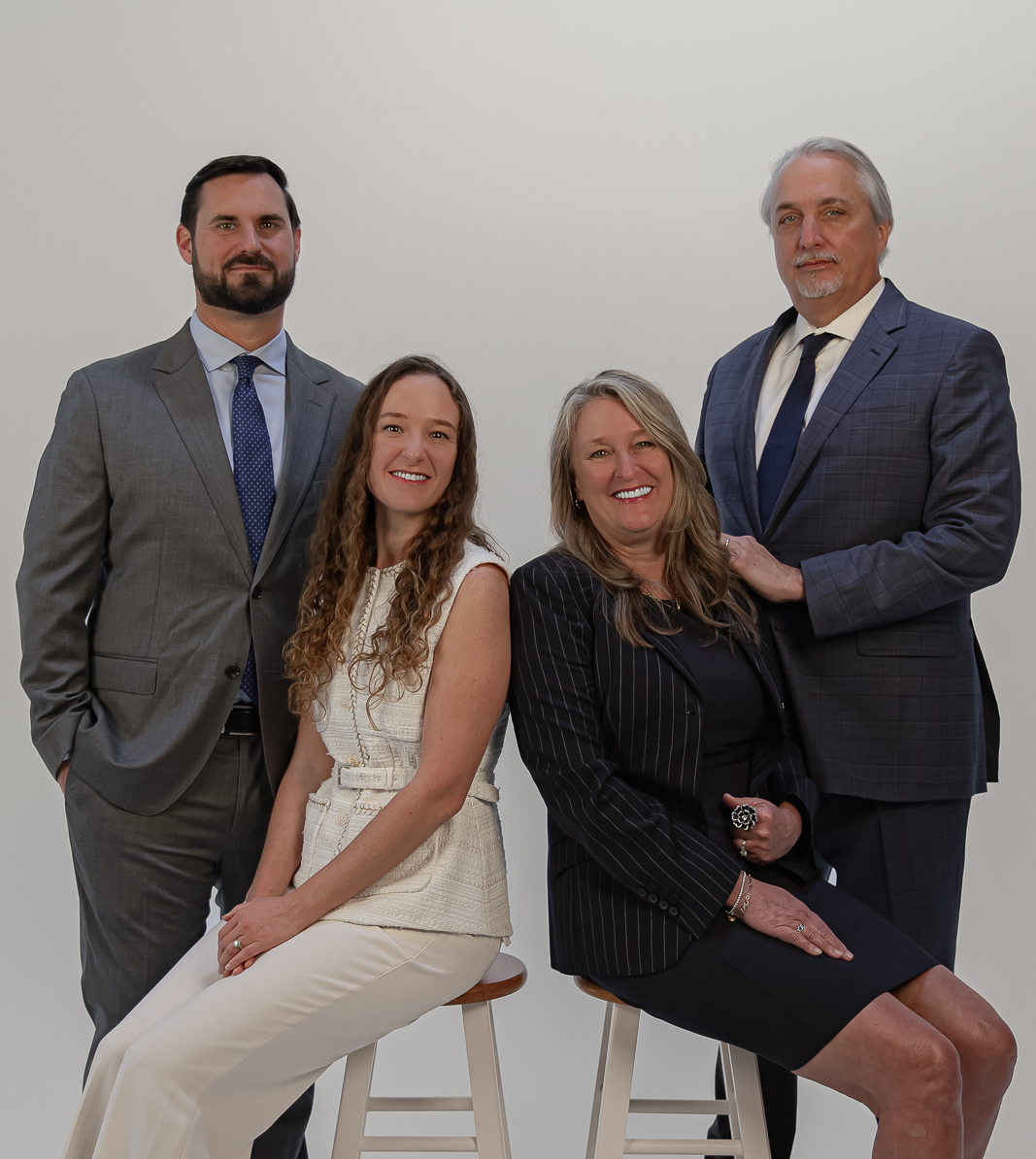
Buckman, Buckman and Castellano, P.A., represents individuals injured in boat accidents throughout Sarasota and across Florida. Our focus is on holding negligent boat operators, owners, rental companies, and other responsible parties accountable while helping injured clients pursue full compensation for the harm they suffered.
Common Causes of Boat Accidents
Most boating accidents are preventable. They typically result from negligence, poor judgment, or failure to follow safety rules designed to protect everyone on the water.
Operator error remains the leading cause. Inattention, inexperience, excessive speed, and failure to maintain a proper lookout frequently lead to collisions, capsizing, and ejections. Unlike driving on the road, boating requires constant situational awareness, especially in crowded or unfamiliar waterways.
Alcohol and drug use also play a significant role. Boating under the influence impairs judgment, reaction time, balance, and coordination—often more severely than on land due to sun exposure, motion, and fatigue. Florida law treats BUI seriously, and intoxicated operation often establishes clear civil liability when injuries occur.
Other contributing causes include failure to follow navigation rules, unsafe towing practices, equipment failure due to poor maintenance, overloading vessels, and operating at unsafe speeds for conditions. Environmental factors may contribute, but they do not excuse negligent behavior.
Types of Boat Accidents
Boat accidents occur in a variety of ways, each presenting different risks and liability considerations.
Collisions between boats are among the most common and often involve high speeds, limited reaction time, and severe blunt-force injuries. Allisions—where a vessel strikes a stationary object such as a dock, bridge, or buoy—frequently stem from inattention or impairment.
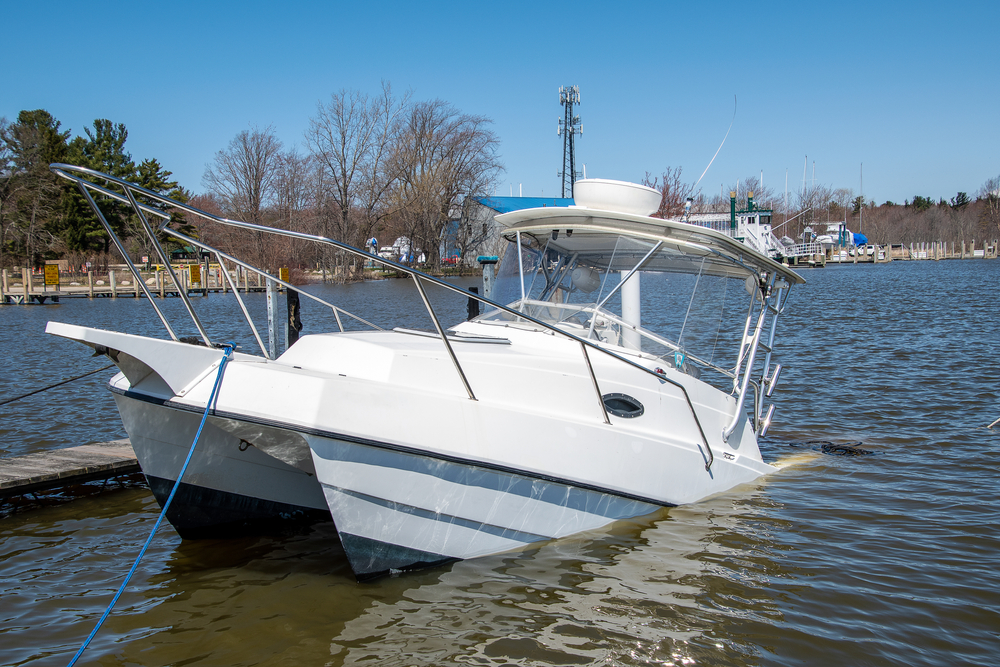
Capsizing and sinkings may result from overloading, improper handling, or sudden weather changes, placing passengers at risk of drowning or hypothermia. Falls overboard often occur during abrupt acceleration, sharp turns, or encounters with unexpected wakes.
Propeller strikes are particularly dangerous and frequently catastrophic. Accidents involving personal watercraft, tow ropes, or inexperienced operators also account for a significant number of serious injuries on Florida waterways.
Who May Be Liable in a Boat Accident
Liability in boating accidents often extends beyond the person at the helm. Depending on the circumstances, responsibility may be shared by multiple parties.
Boat operators may be liable for careless or reckless operation, impairment, or failure to follow navigation rules.
Boat owners can be held responsible for allowing unsafe operation, failing to maintain the vessel, or entrusting it to an inexperienced or impaired operator.
Rental companies, charter operators, and tour providers may be liable for inadequate instruction, failure to inspect equipment, or renting vessels to unqualified individuals.
Manufacturers or maintenance providers may bear responsibility when defective equipment or improper repairs contribute to an accident.
In limited circumstances, governmental entities responsible for waterway maintenance or navigational hazards may also be involved.
Florida Boating Laws and Safety Rules
Florida has one of the highest numbers of registered boats in the country, and state law imposes specific obligations on operators and owners.
Boat operators must follow navigation rules, maintain a proper lookout, operate at safe speeds, and avoid reckless conduct. Certain individuals are required to complete boating safety education courses before operating a vessel.
Boating under the influence is illegal and carries serious criminal penalties. In civil cases, impairment often becomes a central issue in determining fault.
Vessels must carry required safety equipment, including life jackets, fire extinguishers, navigation lights, and sound-producing devices. Failure to comply may support a negligence claim when injuries result.
Local regulations, no-wake zones, and weather advisories also factor into liability determinations.
Commercial and Charter Boat Accidents
Boat accidents involving charter vessels, tour boats, and other commercial operators raise additional safety and liability concerns. Companies that carry passengers for hire are held to heightened standards, including proper licensing, crew training, vessel maintenance, and compliance with both state and federal regulations.
When commercial operators cut corners—by overloading vessels, failing to monitor weather conditions, or allowing unsafe operation—the risk to passengers increases dramatically. Injured passengers may have claims not only against the operator, but also against the business entity that owns or manages the vessel. These cases often involve complex insurance issues and require careful analysis of maritime and Florida law.
Passenger Rights and Shared Responsibility on the Water
Passengers are not required to assume the risk of unsafe boating. Boat operators owe passengers a duty of reasonable care, regardless of whether the passengers are friends, family members, or paying customers.
Operators are responsible for safe navigation, appropriate speed, maintaining a proper lookout, and adjusting behavior to match conditions. Allowing reckless operation or impairment can create liability even without intent to harm.
Boat owners who were not present at the time of the accident may still bear responsibility. Negligent entrustment claims may arise when an owner allows an inexperienced, reckless, or impaired individual to operate a vessel.
Florida follows a comparative negligence system, meaning fault may be shared among multiple parties. Shared responsibility does not bar recovery; it affects how damages are allocated.
Injuries Commonly Seen in Boat Accidents
Boat accidents often cause severe injuries due to the lack of restraints and the force of impact.
Common injuries include:
- Traumatic brain injuries
- Spinal cord injuries and paralysis
- Broken bones and crush injuries
- Lacerations and propeller injuries
- Drowning and near-drowning incidents
- Internal organ damage
- Burns from onboard fires or explosions
Beyond physical harm, many survivors experience lasting psychological trauma. PTSD, anxiety, and fear of large, open bodies of water are common after serious boating accidents and may persist long after physical injuries have healed.
Damages Available in Boat Accident Cases
Victims of boating accidents may pursue compensation for a wide range of losses. Medical expenses often form the foundation of these claims, including emergency care, hospitalization, surgery, rehabilitation, and long-term treatment.
Lost income and diminished earning capacity may be recoverable when injuries prevent a return to work or limit future employment.
Non-economic damages address pain and suffering, emotional distress, and loss of enjoyment of life.
In fatal boating accidents, surviving family members may pursue wrongful death damages, including loss of companionship, financial support, and funeral expenses.
In cases involving gross negligence or intoxication, punitive damages may also be available.
Why Boat Accident Cases Are Complex
Boat accident claims often involve overlapping legal frameworks. Depending on where and how the accident occurred, a case may be governed by Florida law, federal maritime law, or both.
Evidence can be difficult to preserve. Boats may be repaired or returned to service quickly, weather conditions may change, and witnesses may disperse. Insurance coverage may also be fragmented among owners, operators, rental companies, and passengers.
Establishing fault on open water frequently requires expert analysis, accident reconstruction, and familiarity with navigational rules that differ from traffic laws on land.
What to Do After a Boat Accident
Safety should always come first. Seek medical attention as soon as possible, even if injuries seem minor. Drowning-related injuries, head trauma, and internal injuries may not produce immediate symptoms.
Boating accidents must be reported as required by law, which may involve local law enforcement or the Florida Fish and Wildlife Conservation Commission. An official report creates an important record of what occurred.
If you are able, document the scene. Photographs of the vessels, visible injuries, weather conditions, and the surrounding area can be invaluable. Collect the names and contact information of witnesses and identifying details for other vessels involved.
Be cautious about discussing the incident with insurance companies or other parties before obtaining legal advice. Statements given shortly after an accident can later be used to limit recovery.
How We Help Boat Accident Victims
Boat accident cases require prompt and thorough investigation. Buckman, Buckman and Castellano, P.A., works to preserve evidence, inspect vessels, and identify all sources of liability.
We collaborate with maritime experts, accident reconstruction specialists, and medical professionals to build strong cases.
Representation is tailored to each client’s circumstances, with sensitivity to trauma and a focus on minimizing additional stress. Confidentiality and clear communication remain priorities throughout the process.
Accountability After a Serious Boating Injury
Boating accidents are rarely unavoidable. In many cases, they occur because safety rules were ignored, vessels were poorly maintained, or operators took risks they never should have taken.
Civil claims serve an important role by compensating injured individuals, exposing unsafe practices, and reinforcing responsible behavior on Florida’s waterways.
If you were injured in a boat accident in Sarasota or elsewhere in Florida, Buckman, Buckman and Castellano, P.A. is available for a confidential consultation. We can review what happened, explain who may be legally responsible, and discuss your options.
Negligence on the water should not leave you carrying the consequences alone.
Contact us for a free consultation
We work with clients in Sarasota, Venice, Bradenton, North Port, Tampa, Orlando, Jacksonville and throughout Florida. Get in touch with us today and tell us what happened to you. We will review your case for free and with no further obligation from you.
Buckman, Buckman & Castellano, P.A.