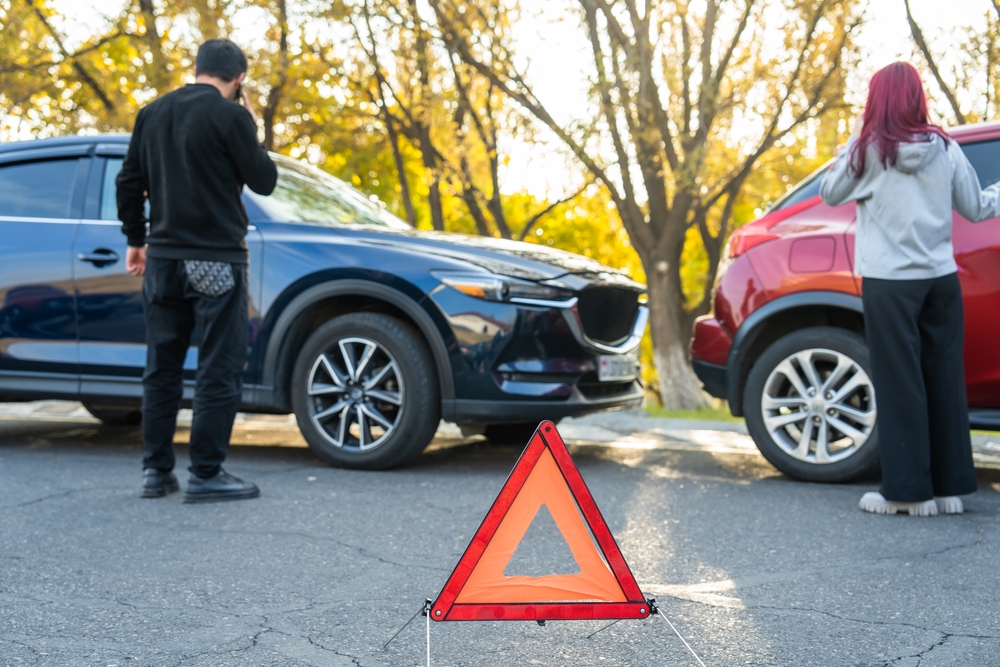
Car accidents can be stressful and confusing, especially when you’re not entirely sure who was at fault. Maybe you were turning left, and the other driver was speeding. Or perhaps both of you made small mistakes that led to a collision. In situations like these, many drivers in Sarasota wonder the same thing: Can I still recover damages if I was partly at fault?
The good news is that being partially responsible doesn’t automatically stop you from getting compensation. Florida law recognizes that accidents are rarely one-sided, and your right to recover damages often depends on how fault is divided between the drivers.
Knowing how this works can help you protect yourself—both legally and financially—after a crash. In this guide, we’ll break down Florida’s comparative negligence law, how fault is determined, what compensation you may still be eligible for, and what steps to take if you share responsibility for a car accident in Sarasota.
Understanding Florida’s Comparative Negligence Rule
Florida follows a modified comparative negligence system, as outlined in Florida Statute §768.81, which lays out how fault is assigned in personal injury cases and how that affects compensation. This law changed in 2023 under new tort reform, shifting from a pure to a modified system.
Under this rule, you can recover damages only if you are 50% or less at fault for the accident. If you are found more than 50% at fault, you cannot recover any compensation from other parties. Your total damages are reduced based on your percentage of responsibility.
For example, if your total damages are $100,000 but you were 20% at fault, your compensation would be reduced by 20%, leaving you with $80,000.
Florida’s comparative negligence rule states that if a person is found more than 50% responsible for an accident, they are not entitled to recover damages.
Source: Florida Legislature
This change makes it especially important for Sarasota drivers to understand how responsibility is assigned after a crash.
How Fault Is Determined in a Florida Car Accident
Determining fault requires a close look at every detail of the collision. Insurance companies, investigators, and sometimes courts evaluate who was responsible and to what extent. Fault is based on negligence, which means failing to act with reasonable care and caution.
Investigators consider police reports, witness statements, vehicle damage, and footage from traffic or security cameras. Insurance adjusters also review these details to assign a percentage of liability to each party.
Never admit fault at the scene of an accident. Fault is determined after reviewing all evidence, and early admissions can affect your right to compensation.
The Florida Department of Highway Safety and Motor Vehicles (FLHSMV) provides annual crash data, which often highlights the common occurrence of shared responsibility in multi-vehicle accidents. In 2024, over 10,000 crashes involved situations where both drivers were found partially at fault. Source: FLHSMV Crash Data
What Damages Can Be Recovered When You’re Partly at Fault
If you are 50% or less responsible, you may still recover damages — your compensation is reduced by your share of fault.
Common recoverable damages include:
- Medical expenses
- Lost income and future earnings
- Property damage
- Pain and suffering
- Rehabilitation or ongoing care
Florida’s no-fault insurance system also plays a role. Under Personal Injury Protection (PIP), your insurance covers up to $10,000 in medical costs regardless of fault. However, if your injuries are serious or exceed PIP limits, you can pursue additional compensation under comparative negligence rules.
The table below illustrates how comparative negligence affects compensation in the state of Florida.
How Comparative Negligence Affects Compensation in Florida
| Driver’s Fault Percentage | Eligible for Compensation? | Example: $100,000 Damages | Amount Recoverable |
| 0% | Yes | $100,000 | $100,000 |
| 20% | Yes | $100,000 | $80,000 |
| 40% | Yes | $100,000 | $60,000 |
| 51% | No | $100,000 | $0 |
Common Shared Fault Scenarios in Sarasota
Shared fault happens in many different situations.
Some examples include:
- A driver is speeding through an intersection while another fails to yield the right of way.
- Rear-end collisions occur when the lead driver brakes suddenly while the trailing driver is distracted.
- Lane-change accidents where both drivers fail to signal properly.
Busy areas in Sarasota—such as Bee Ridge Road and Fruitville Road—often see these shared-fault scenarios where both drivers carry some responsibility.
Steps to Take After a Sarasota Car Accident When You May Be Partly at Fault
If you think you were partly responsible for an accident, it’s important to act carefully.
Take the following steps to protect your claim:
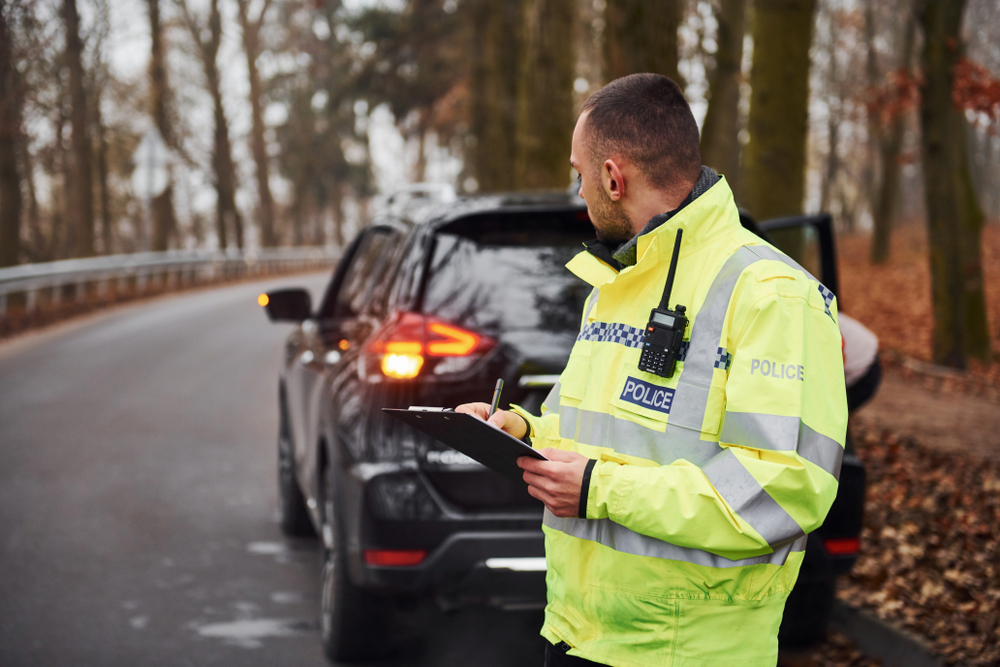
- Report the accident to the police immediately and obtain a copy of the report.
- Document everything at the scene, including vehicle damage and road conditions.
- Collect witness information and photographs.
- Notify your insurance company, but stick to the facts.
- Avoid admitting fault or speculating about what happened.
It helps to understand how fault is assigned and how it affects compensation before accepting any settlement. Early offers may not reflect your true share of responsibility or the full value of your damages.
How Experienced Sarasota Attorneys Can Help Clarify Fault
When both drivers share responsibility, figuring out your exact percentage of fault can get complicated. A car accident attorney in Sarasota familiar with Florida’s negligence laws can review police reports, consult with experts, and negotiate with insurers to ensure a fair allocation of fault.
Buckman Buckman and Castellano, P.A., a respected Sarasota law firm, helps clients understand how comparative negligence in Florida applies to their specific situations. Their attorneys focus on ensuring fair compensation under Florida’s modified fault system and assisting clients in navigating confusing insurance negotiations.
FAQs
What does comparative negligence mean in Florida?
It means each driver’s compensation is reduced by their percentage of fault for the accident.
Can I still recover damages if I was 40% at fault in a Florida car accident?
Yes. You can recover damages as long as you are not more than 50% at fault.
How do insurance companies determine fault in Florida accidents?
They review police reports, witness statements, and vehicle damage to assign fault percentages.
Does Florida’s no-fault insurance prevent me from seeking additional compensation?
No. You may pursue additional compensation for serious injuries beyond PIP coverage.
What if both drivers deny fault?
Insurers and investigators review all available evidence and determine liability through documentation and reports.
Conclusion
Being partly at fault in a Sarasota car accident doesn’t automatically block you from recovering damages. Under Florida’s modified comparative negligence law, you can recover damages as long as your share of fault is 50% or less. Understanding how liability is determined, how compensation is reduced, and what evidence matters can make a significant difference in your claim.
If you were injured in a car accident and need clarity about your rights, Buckman, Buckman & Castellano, P.A. offers experienced guidance to help residents understand their rights and pursue fair compensation under Florida law.
For more information on Florida’s car accident and negligence laws, visit the Florida Department of Highway Safety and Motor Vehicles or the Florida Legislature website.