

Traffic camera footage is essential in modern accident investigations. Footage from traffic cameras can provide clear and reliable evidence to support personal injury claims. In Sarasota, Florida, where traffic is dense and accidents are common, these cameras can play a pivotal role in determining fault and ensuring fair outcomes in personal injury cases resulting from traffic collisions. Understanding how traffic camera footage works, its legal implications and the steps involved in obtaining it can impact the results of your case.
How Traffic Camera Footage Plays a Crucial Role in Accident Claims
Traffic cameras are installed throughout Sarasota and other cities in Florida. They monitor traffic conditions and help enforce laws at intersections. These cameras can capture real-time footage of accidents, providing a valuable resource for accident reconstruction.
Video evidence can help verify details about the incident. With video, it’s possible to determine the speed of the vehicles, the sequence of events, and whether any traffic violations were committed.
Traffic camera footage can even distinguish between winning or losing an accident claim. In cases with conflicting witness testimonies or a lack of physical evidence, footage offers a neutral, objective source of information.
By documenting the accident as it happened, these cameras provide the clarity needed to determine liability.
Legal Relevance of Traffic Camera Footage in Sarasota
Florida law allows traffic camera footage in personal injury claims. However, there are specific rules and guidelines regarding its admissibility.
Under Florida Statute 316.007, traffic cameras must meet specific legal standards before the footage can be presented as evidence. This includes verifying that the camera was operating correctly during the incident and ensuring the footage is authentic and unaltered.

In Sarasota, courts are inclined to use traffic camera footage as long as it complies with these legal requirements. However, the footage’s reliability can still be challenged.
For example, the camera may be positioned in a way that obstructs the view of the crash. Or, perhaps the video quality needs to be better to determine fault. The footage may not be as helpful in these circumstances.
“Traffic camera footage can be a powerful tool for proving fault, but it is important to remember that the quality of the footage can sometimes affect its admissibility in court.”
How Traffic Camera Footage Strengthens an Accident Claim?
The power of traffic camera footage lies in its ability to provide irrefutable evidence that supports one party’s version of the events.
In accident claims, this footage can help establish who was at fault, whether anyone violated any traffic laws, and the specific dynamics of the accident.
For instance, you may be involved in a rear-end collision. Traffic camera footage can show whether the car behind you was speeding or following too closely, thus helping to establish liability.
In lane-change accidents, cameras can reveal whether the at-fault driver signaled correctly or made an illegal maneuver.
Moreover, traffic cameras provide evidence beyond just the accident itself.
They can capture actions leading up to and following the incident. In doing so, they offer valuable insights into driver behavior and road conditions.
The table below highlights some of the key aspects of traffic camera footage that can affect its usefulness in accident claims:
| Aspect of Traffic Camera Footage | Considerations | Potential Impact on Claim |
| Footage Quality | High-resolution vs. low-quality | Clearer footage improves evidence reliability |
| Camera Angle | Front-facing, side-facing, etc. | Affects how the accident is viewed and understood |
| Time Stamps | Accurate timestamps or none? | Essential for proving exact timing of accident |
| Availability | Accessible to public or private | Affects how and when it can be obtained |
“In personal injury claims, video footage from traffic cameras is often a key piece of evidence, but its value depends on clarity, context, and authenticity.” — Sarasota Personal Injury Lawyer.
Common Misconceptions About Traffic Camera Footage
Traffic camera footage is often extremely valuable and precious. However, several misconceptions can cloud its effectiveness in accident claims.
First, many people assume that traffic camera footage is always available. This is not the case.
Traffic cameras may only cover some intersections; even when they do, the footage might only be saved briefly. In some instances, the footage may be overwritten or erased, making it unavailable for use in a claim.
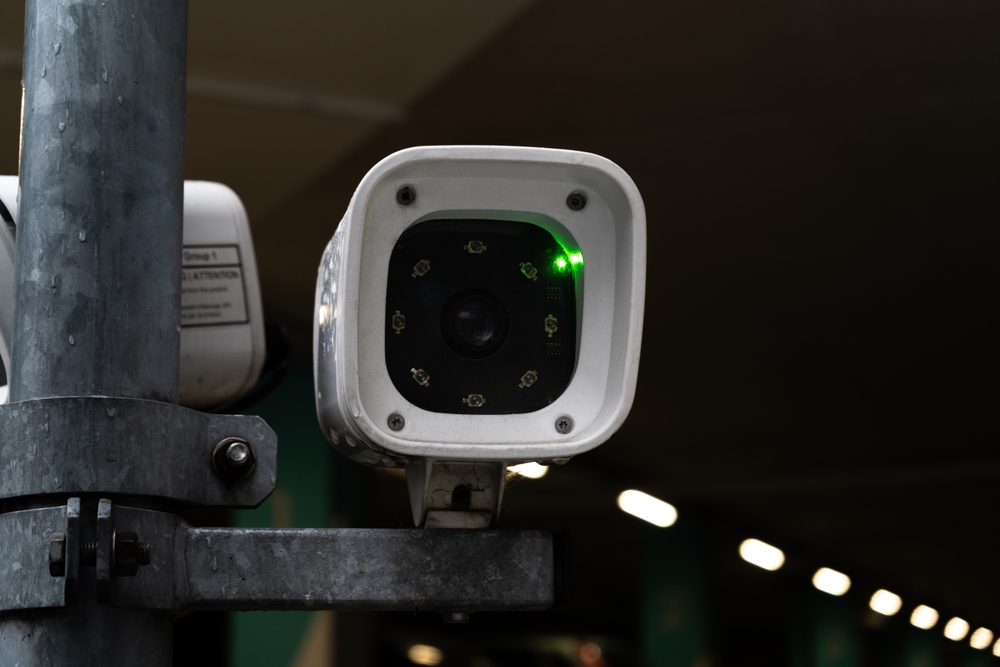
Another misconception is that the footage will always be clear and conclusive. While some cameras provide high-definition video, many offer low-quality images. These images might not clearly show the vehicles or the sequence of events.
For example, if the camera is positioned at an angle that doesn’t capture the whole picture or if the footage is grainy, more evidence is likely required to determine fault conclusively.
Lastly, some people mistakenly believe traffic camera footage is all that is needed to win a case. While it is robust evidence, more is typically necessary.
Additional evidence, such as witness testimonies, physical evidence from the scene, or expert analysis, is often required to strengthen the case.
Procedures for Obtaining Traffic Camera Footage
It is essential to act quickly if you believe traffic camera footage could help your accident claim. These cameras typically store footage only a few days to a week, depending on the system’s storage capacity.
Therefore, requesting the footage as soon as possible after the accident is crucial.
Obtaining footage can be a straightforward process if you know where to look.
In Sarasota, you can request footage from the local traffic enforcement department or law enforcement agency that monitors the cameras.
If you need help figuring out where to start, an experienced attorney can help you navigate the request process and ensure the footage is preserved for your case.
It’s also important to note that traffic camera footage is only sometimes available to the public. In some cases, footage may be restricted. For example, this might be the case if it is used as part of an ongoing investigation.
Working with an attorney ensures you have the proper legal channels to access the needed footage.
How Do Attorneys Use Traffic Camera Footage in Accident Claims?
A car accident victim could obtain traffic camera footage on their own. That said, having a knowledgeable attorney is crucial to using the footage effectively in your claim.
An experienced attorney can help with the legal process of obtaining the footage. They’ll it meets the necessary standards for admissibility. Furthermore, attorneys often work with experts to authenticate and interpret the footage.
For example, they may consult accident reconstructionists or experts in video analysis to verify the footage’s accuracy and ensure it’s presented in a way that supports your claim.
This expertise can significantly affect how the footage is received in court.
[contact-form-7 id=”b957525″ title=”Blog Contact form”]
FAQs
Is traffic camera footage always available in accident claims?
Traffic camera footage may only be available for some accidents, mainly if the camera is outside the vicinity or if the footage has been overwritten.
Can I use traffic camera footage without an attorney?
While you can request the footage independently, an attorney will ensure that the footage is legally obtained, authenticated, and used effectively in your case.
How soon do I need to request traffic camera footage after an accident?
Traffic camera footage should be requested as soon as possible, as it may only be stored for a limited period.
Can traffic camera footage be the sole evidence in an accident claim?
Only sometimes. While valuable, traffic camera footage is often used alongside other types of evidence, such as witness statements or physical evidence.
What if the footage could be more precise or better?
If the footage is of poor quality, an attorney may consult experts to help clarify or contextualize the footage to strengthen your case.
Get Help Obtaining Traffic Camera Footage for Your Sarasota Accident Claim
Traffic camera footage can be a game-changer in Sarasota accident claims. After a collision, footage from a nearby traffic camera can offer valuable evidence to establish fault and support your case. However, it is essential to understand the limitations of this evidence, including potential availability issues and the quality of the footage.
If you’ve been involved in an accident and believe that traffic camera footage may help, it’s wise to consult with an experienced Sarasota car accident attorney. With their help, you can ensure the footage is obtained, interpreted, and used effectively to secure the compensation you deserve.
Buckman, Buckman & Castellano, P.A. has extensive experience handling accident claims and can assist you in gathering and presenting critical evidence, such as traffic camera footage, to build a strong case.