

A Florida Durable Power of Attorney (DPOA) is a vital legal tool that grants someone the authority to make decisions on your behalf. It’s especially helpful if you become incapacitated. While many people understand the basics of a power of attorney, several misconceptions can lead to confusion—or even legal issues.
In this blog post, we’ll clear up the top 10 myths about the Florida Durable Power of Attorney, explaining the facts you need to know.
What is a Florida Durable Power of Attorney?
Before diving into the misconceptions, let’s define what a Durable Power of Attorney is. A DPOA is a legal document that allows you (the principal) to appoint another person (the agent) to act on your behalf in financial, legal, or medical matters. The purpose is to ensure someone you trust can make critical decisions for you if you become incapacitated.
Unlike a regular power of attorney, a DPOA remains in effect even if the principal becomes mentally or physically incapacitated.
This document ensures that your affairs are handled according to your wishes when you cannot manage them yourself.
Understanding its role and limitations is essential to avoid confusion later on.
Misconception 1: A DPOA Is Only for Elderly People
Many people mistakenly believe that a Durable Power of Attorney is only necessary for older people. It’s true that older adults often consider a DPOA to manage their health and finances as they age. However, anyone can benefit from having one.
Life is unpredictable. Accidents or illnesses can happen at any age. You don’t need to be elderly to become incapacitated.
For example, if you’re involved in a car accident or diagnosed with a debilitating illness, having a DPOA in place ensures that someone you trust can manage your affairs if you can’t.
Misconception 2: A DPOA Automatically Takes Effect
Another common myth is that a DPOA automatically takes effect as soon as it’s signed. This is not true. In Florida, a Durable Power of Attorney is typically activated when the principal becomes incapacitated, either due to mental or physical reasons.
However, it can also be designed to take effect immediately or at another specified time.
If you want the DPOA to be activated immediately, you must expressly state that in the document. Otherwise, it will only come into play if you cannot decide for yourself.
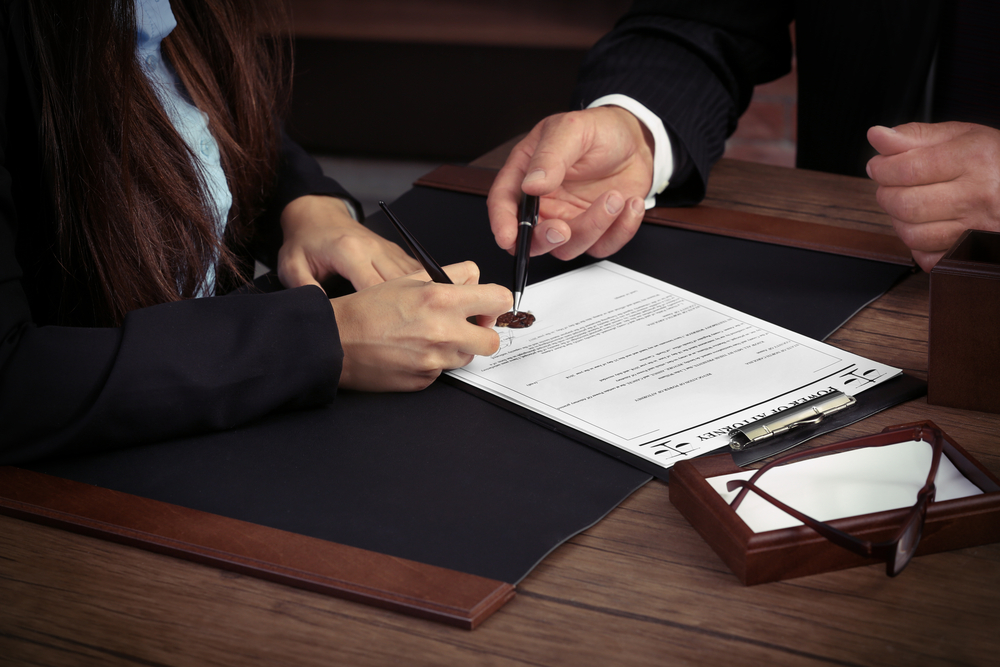
Misconception 3: The Agent Can Make Any Decision
A Durable Power of Attorney does give your agent broad powers. However, that doesn’t mean they can make any decision they want. The DPOA document will outline the authority it grants to the agent.
There are specific actions your agent cannot take unless expressly authorized.
For example, in many cases, a DPOA will allow an agent to handle your finances. But, it may not extend to making healthcare decisions unless that is explicitly mentioned.
Similarly, an agent cannot make gifts, change your will, or act in a way that goes against your best interests without your permission.
In Florida, agents are legally required to act in the best interest of the principal and cannot use the power for personal gain.
Misconception 4: A DPOA Can Be Used After Death
One of the most significant misconceptions about a Durable Power of Attorney is that it can be used after the principal’s death. This is not the case.
A DPOA automatically terminates upon the death of the principal. After the principal passes away, the authority to make decisions and manage affairs transfers to the executor of the estate, as designated in the will, or to the court-appointed administrator if no will exists.
A DPOA does not affect decisions related to a deceased person’s estate or funeral arrangements.
[contact-form-7 id=”b957525″ title=”Blog Contact form”]
Misconception 5: The DPOA Must Be Notarized to Be Valid
Many people believe that a Durable Power of Attorney must be notarized to be legally valid in Florida. While it’s highly recommended that the document be notarized, it’s not strictly necessary for validity in Florida.
To be legally effective, a DPOA must be signed by the principal in the presence of two witnesses. The witnesses must also sign the document.
Notarization adds an extra layer of verification. That said, it’s ultimately not required for the DPOA to be considered valid under Florida law.
Misconception 6: The Agent Can Use the DPOA for Personal Gain
Another common misconception is that agents under a DPOA can use the authority granted to them for personal gain. This is definitely not true.
In Florida, the law is clear: agents must act in the best interest of the principal, and any misuse of the DPOA can lead to serious legal consequences.
If an agent uses their authority for personal gain, they could be charged with fraud, breach of fiduciary duty, or theft.
Remember: The agent is acting as a fiduciary, meaning they must always act in the principal’s best interest.
Misconception 7: A DPOA Cannot Be Revoked
Some people think that once they’ve signed a Durable Power of Attorney, they are stuck with it forever. This is a misunderstanding.
A DPOA can be revoked at any time—as long as the principal is mentally competent. You can revoke the document if you feel uncomfortable with the agent you’ve appointed or change your mind.
The revocation must be made in writing and provided to your agent. All institutions where the original document was filed should be notified as well.

Misconception 8: The DPOA Is Only for Financial Decisions
A DPOA often involves financial decisions. Still, it’s important to note that it can also cover other areas, including healthcare decisions, property management, and legal matters.
In Florida, you can create a DPOA that grants your agent the power to make healthcare decisions for you, including decisions about medical treatment, hospitalization, and end-of-life care.
However, the document must explicitly state these powers. You can limit the scope as needed.
Misconception 9: If You Have a Will, You Don’t Need a DPOA
A will and a Durable Power of Attorney serve different purposes. They do not replace one another. A will only take effect after your death. It deals with distributing your assets.
In contrast, a DPOA takes effect during your lifetime. Specifically, it takes effect when you are incapacitated and can’t make decisions for yourself.
If you have a will but no DPOA, someone may have to go to court to obtain guardianship over your affairs. This process can be time-consuming and costly.
Misconception 10: You Don’t Need Legal Assistance to Create a DPOA
Some people think that creating a Durable Power of Attorney is simple and that they don’t need legal help. While the form itself may seem straightforward, the consequences of an improperly drafted DPOA can be significant.
An experienced attorney can help ensure that your DPOA is valid, effective, and customized to your needs. Legal assistance ensures that all the necessary powers are granted and that the document complies with Florida’s requirements.
Consulting with an attorney also provides peace of mind that the DPOA will hold up if it needs to be enforced.
FAQs About Florida Durable Power of Attorney
What is a Florida Durable Power of Attorney?
A DPOA allows someone to make decisions for you if you become incapacitated. It can cover financial, healthcare, and legal matters.
How do I know if my DPOA is valid?
A DPOA is valid if you sign it in front of two witnesses. Having it notarized is recommended for extra security.
Can I revoke my DPOA?
Yes, you can revoke your DPOA at any time as long as you are mentally competent. You will need to do so in writing.
Can an agent misuse a DPOA?
No, the law requires an agent to act in your best interest. Any misuse could result in legal consequences.
What happens if I don’t have a DPOA?
If you become incapacitated and don’t have a DPOA, a court may appoint a guardian to manage your affairs.
Get Help With Your Florida DPOA
A Florida Durable Power of Attorney is an essential tool for ensuring that someone you trust can make decisions for you if you become incapacitated. However, there are several misconceptions about how it works. These can lead to confusion and legal issues. Understanding the facts about DPOAs can help you make informed decisions about your future.
At Buckman, Buckman & Castellano, P.A., we specialize in helping clients navigate Florida’s laws and create legally sound Durable Powers of Attorney. Our experienced attorneys are dedicated to providing personalized guidance and drafting comprehensive documents tailored to your unique needs.
Take control of your future and ensure your wishes are respected—contact Buckman, Buckman & Castellano, P.A. today to schedule a free consultation with our trusted legal team!