
Unlike revocable trusts that you can change or cancel anytime, irrevocable trusts are permanent. Once you create one and transfer assets into it, you generally can’t undo those decisions. That permanence might sound scary, but it’s exactly what makes irrevocable trusts powerful tools for asset protection, tax planning, and preserving wealth for future generations.
Irrevocable trusts are not appropriate for every situation. However, when used intentionally and at the right time, they can provide protections and benefits that other estate planning tools cannot. At Buckman, Buckman & Castellano, P.A., we help Sarasota families determine when irrevocable trusts make sense and how to structure them to meet specific financial and planning goals.
What Makes a Trust Irrevocable?
An irrevocable trust is one that you can’t modify, amend, or revoke after creation. You transfer assets into the trust, and they’re no longer yours. The trust owns them. You give up control in exchange for specific benefits like asset protection, tax advantages, or Medicaid eligibility.
This differs fundamentally from revocable trusts, of which you maintain complete control. With irrevocable trusts, you’re making permanent decisions about how assets will be managed and distributed.
The trustee you appoint manages the trust according to the terms you established. You typically can’t serve as trustee of your own irrevocable trust because that would give you too much control and undermine the trust’s legal benefits.
Some trusts include limited flexibility through trust protectors, but the defining feature remains permanence.
Why Create an Irrevocable Trust?
Given the loss of control involved, many people ask why anyone would choose an irrevocable trust. The answer lies in the specific benefits these trusts can provide when circumstances align.
Irrevocable trusts are often used to reduce estate taxes for high-net-worth individuals by removing assets from the taxable estate. They can also protect assets from creditors and lawsuits by placing them beyond personal ownership.
For families planning for long-term care, irrevocable trusts may help preserve assets while maintaining Medicaid eligibility if established well in advance.
These trusts can also protect beneficiaries. By controlling how and when assets are distributed, irrevocable trusts can shield inheritances from creditors, divorces, or poor financial decision-making. In other situations, they support charitable giving or keep life insurance proceeds from being consumed by estate taxes.
Types of Irrevocable Trusts
Irrevocable trusts come in many forms, each designed for a specific purpose:
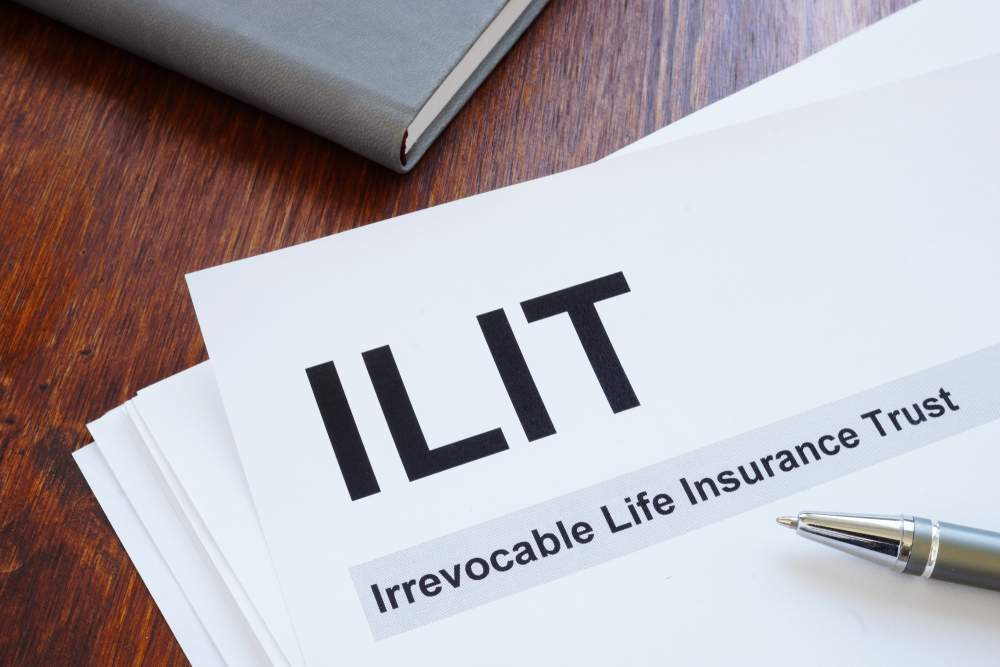
- Irrevocable Life Insurance Trusts (ILITs) hold life insurance policies outside your estate. The trust owns the policy, pays premiums, and receives the death benefit. Because you don’t own the policy, the proceeds aren’t included in your taxable estate.
- Medicaid Asset Protection Trusts help you qualify for Medicaid long-term care coverage while preserving assets for heirs. You transfer assets into the trust at least five years before you expect to need Medicaid. After the five-year lookback period, those assets don’t count against Medicaid’s asset limits.
- Charitable Remainder Trusts provide income to you or other beneficiaries for a term of years or for life, with remaining assets going to charity. You receive an immediate income tax deduction.
- Grantor Retained Annuity Trusts (GRATs) allow you to transfer appreciating assets to beneficiaries with minimal gift tax consequences. You receive fixed annuity payments for a set term. If you survive the term, the appreciation passes to beneficiaries tax-free.
- Qualified Personal Residence Trusts (QPRTs) remove your home from your taxable estate while allowing you to continue living there. You transfer your home into the trust and retain the right to live there for a specified term.
- Special Needs Trusts provide for disabled beneficiaries without disqualifying them from government benefits like SSI and Medicaid. The trust pays for expenses that government benefits don’t cover.
- Spendthrift Trusts protect beneficiaries who lack financial maturity or struggle with addiction. The trustee controls distributions and can withhold funds if it’s determined that the beneficiary would use them destructively.
Selecting the right trust depends on your goals, assets, and family circumstances.
Tax Implications of Irrevocable Trusts
Tax treatment depends heavily on how an irrevocable trust is structured. Transferring assets into the trust may trigger gift tax considerations, potentially using part of your lifetime exemption.
Properly structured irrevocable trusts remove assets from your estate, allowing future appreciation to pass to beneficiaries without estate tax.
Income taxation varies as well. Some trusts are treated as grantor trusts, meaning you personally pay income taxes on trust earnings. Others file their own tax returns and pay taxes on undistributed income.
Capital gains treatment also differs from assets held personally. Many irrevocable trusts do not receive a step-up in basis at death, which can affect future tax planning.
Medicaid Planning with Irrevocable Trusts
Long-term care is expensive. Nursing home care in Florida can cost $8,000 to $12,000 per month or more. Medicaid covers long-term care costs, but only if you meet strict financial requirements.
Medicaid’s five-year lookback rule examines all asset transfers during the five years before you apply. Transfers for less than fair market value result in a penalty period during which you’re ineligible for benefits.
After the lookback period passes, those assets typically no longer count toward Medicaid eligibility. Timing is critical. Planning early often makes the difference between protection and ineligibility.
Asset Protection Through Irrevocable Trusts
Florida has strong asset protection laws, including homestead exemptions and protection for certain retirement accounts. But these don’t protect everything. Business owners, professionals, and anyone with significant wealth face potential liability risks. Irrevocable trusts add another layer by removing assets from personal ownership altogether.
Creditors generally cannot reach assets you do not own. However, this protection only works when trusts are created well before financial trouble arises.
Transfers made after lawsuits or claims emerge may be reversed as fraudulent. Effective asset protection requires advance planning during stable periods.

Drawbacks and Considerations
Irrevocable trusts come with significant disadvantages.
- Loss of control is the biggest drawback. Once you transfer assets into an irrevocable trust, you can’t take them back. You can’t change your mind if circumstances change.
- Complexity and cost are substantial. Irrevocable trusts require careful drafting. They need separate tax identification numbers and annual tax returns. Ongoing administration adds to the cost.
- Loss of step-up in basis means heirs may face capital gains taxes when they sell appreciated assets. With assets you own personally, heirs receive a step-up in basis at your death. Trust assets generally don’t receive this benefit.
- Inflexibility can create problems if family circumstances change. What seemed like a good plan 20 years ago might not fit current realities.
- Five-year Medicaid lookback means you need to plan far in advance. Transferring assets into an irrevocable trust won’t help if you need Medicaid benefits within five years.
These considerations make careful planning essential.
Making the Right Decision
Choosing an irrevocable trust requires an honest evaluation of your goals, risk tolerance, and long-term plans. If maintaining flexibility and control is your priority, a revocable trust may be more appropriate. If asset protection, estate tax reduction, or Medicaid planning is central, an irrevocable trust may be necessary.
Many estate plans use both. A revocable trust manages day-to-day assets, while one or more irrevocable trusts handle specific protection or tax objectives.
Because irrevocable trusts are difficult to change once created, expert guidance matters. At Buckman, Buckman & Castellano, P.A., we help Sarasota families weigh benefits, drawbacks, and alternatives before moving forward. When an irrevocable trust is appropriate, we draft it carefully to meet your goals while preserving as much flexibility as the law allows.
If you are considering an irrevocable trust, contact Buckman, Buckman & Castellano, P.A., to discuss your options. We will help you understand whether this approach fits your situation and how to move forward with confidence.
Contact us for a free consultation
We work with clients in Sarasota, Venice, Bradenton, North Port, Tampa, Orlando, Jacksonville and throughout Florida. Get in touch with us today and tell us what happened to you. We will review your case for free and with no further obligation from you.
Buckman, Buckman & Castellano, P.A.