

According to the Florida Department of Health, nearly 215,000 injury-related hospital visits occur in the state each year. For many, pursuing a personal injury claim is a critical step toward recovery. But even apparent injuries require strong documentation. That starts with your medical records.
In Florida, medical records are more than just charts. They’re legal proof of your injury: what happened, how serious it is, and how it affects your life. Whether you went to the ER after a car accident or sought follow-up care days later, medical records can make or break your claim.
This guide explains how medical records influence personal injury cases in Sarasota. You’ll learn which records matter most, how to secure them, and how to avoid common setbacks. If you’ve been injured in Sarasota or anywhere in the state, this is what you need to know to protect your rights and strengthen your case.
Why Medical Records Matter in Florida Personal Injury Claims
Your medical records will likely be one of the most essential elements of your personal injury claim. They don’t just show that you went to the doctor. They explain how badly you were hurt, when you were treated, and whether your injuries are connected to the accident.
Florida law requires you to prove another party caused your injuries and that those injuries led to measurable damages like medical bills or lost wages when filing a personal injury lawsuit. Medical records are often the clearest and most trusted form of evidence to satisfy this requirement.
Medical records can also influence how much compensation you’re offered during a settlement or trial. Insurance companies and defense lawyers rely heavily on medical records to decide whether your injuries were serious, whether they resulted from the accident, and whether you sought treatment in a timely way.
Your medical records don’t just show you were injured—they tell the story of how and when those injuries happened. That’s what insurers and courts care about most.
What Medical Records Are Used in a Personal Injury Case
A wide range of records may be used in a personal injury case in Florida. They don’t all come from hospitals or emergency rooms. Depending on the situation, your attorney may collect records from several providers and facilities, including doctors, specialists, therapists, imaging centers, and even pharmacies.
These are some of the most commonly used types of medical records in injury claims:
- Emergency room intake and discharge summaries
- Hospital admission notes
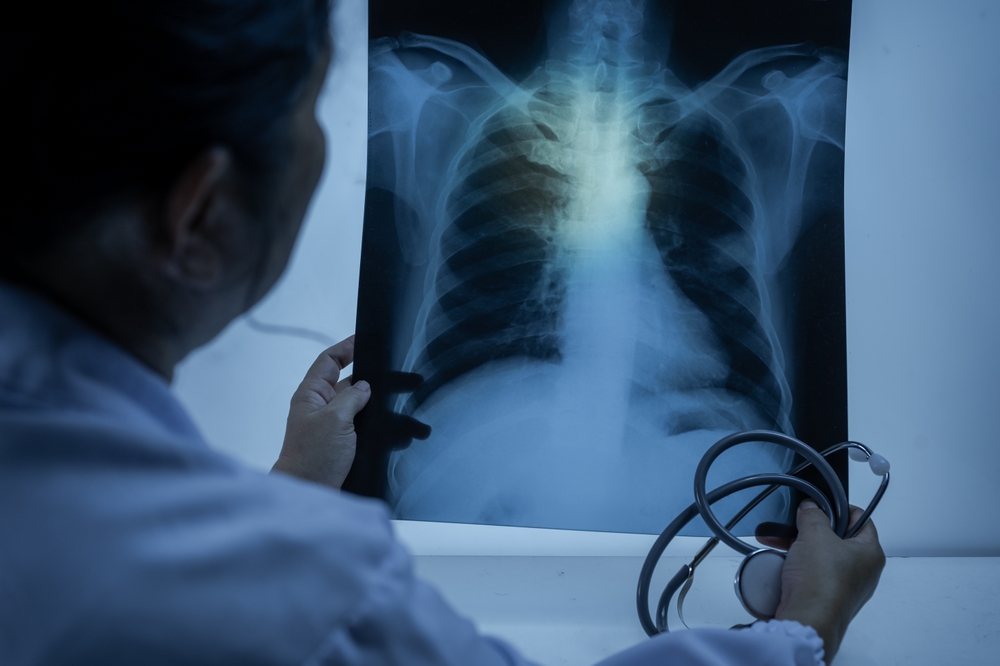
- Imaging test results (X-rays, MRIs, CT scans)
- Physician progress notes
- Surgical records, if applicable
- Prescriptions for medication
- Physical therapy evaluations and notes
- Bills and itemized statements for treatment
Each type of record adds another layer to your claim. Together, they help paint a complete picture of how your injuries happened, how serious they were, and what type of care you needed.

How to Secure and Preserve Medical Records After an Accident
Obtaining your medical records isn’t always a quick process. That said, it’s your legal right under HIPAA. In Florida, providers must respond within 30 days of your written request and signed release form.
To protect your case:
- Request records from all treating providers
- Could you keep them in chronological order?
- Store physical and digital copies securely.
- Don’t write on or alter any documents.
Working with a Florida personal injury lawyer can simplify the process and ensure that your records are properly handled.
Legal Relevance of Medical Records in Florida Injury Lawsuits
Medical records are key evidence in Florida injury cases. Since the burden of proof lies with the injured party, you must show that another’s negligence caused your injuries.
Courts and insurers look for:
- When you first got treatment
- If injuries match the reported accident
- Severity and duration of injuries
- Any pre-existing conditions
Sharing your medical history may seem like a risk. However, it’s often required to prove the injury wasn’t pre-existing.
Florida’s comparative negligence law can reduce your compensation if you’re partly at fault. Strong medical records help show the other party’s primary responsibility.
Florida law gives you four years to file a claim. See Fla. Stat. § 95.11(3)(a). Delays in getting records can hurt your case.
Common Challenges with Medical Records
- Delays in record retrieval from busy providers
- Missing info, unclear notes, or incomplete charts
- Inconsistencies between your statements and records
- Privacy issues—insurers may ask you to sign a HIPAA waiver
Always review what you’re authorizing before signing anything. Clear, complete records are critical to a strong injury claim.
Types of Medical Records and Their Legal Importance
| Medical Record Type | Purpose in Claim | Risk if Missing or Incomplete |
| ER Reports | Initial diagnosis and trauma assessment | Weakens causation arguments |
| X-rays/MRI/CT scans | Visual proof of internal injuries | Harder to prove “invisible” injuries |
| Doctor’s Treatment Notes | Document pain levels, recovery, and impact | Discrepancies can hurt credibility |
| Prescriptions | Shows treatment plan and pain management | May raise questions if not followed |
| Therapy/Follow-up Visits | Reflect ongoing impact of injury | Gaps may suggest injury not serious |
How Buckman, Buckman & Castellano, P.A. Uses Medical Records to Strengthen Your Case
At Buckman, Buckman & Castellano, P.A., we know that winning a personal injury case takes more than just presenting your bills. Accurate, organized medical records are critical.
We help by:
- Identifying the most important records
- Requesting them from all relevant providers
- Ensure compliance with HIPAA privacy rules.
- Reviewing and organizing for maximum impact
- Safeguarding your privacy and legal rights
With over 97.9 million injury-related ER visits each year (CDC), strong documentation is key to proving your claim. We make sure your records tell the whole story.
Frequently Asked Questions
Why are medical records so crucial in a personal injury claim?
Medical records serve as objective evidence that connects your injuries directly to the accident. They validate your claim and support compensation requests.
Can I choose which medical records to share in my case?
You’ll need to share all relevant records in most cases. Selective disclosure can harm your credibility or lead to denied claims.
What if my medical records include old injuries or pre-existing conditions?
Disclosing pre-existing conditions is normal. What matters is distinguishing between prior and new injuries, which your records and doctors can clarify.
How can I get my medical records after an accident in Florida?
Submit a written HIPAA-compliant request to your healthcare provider. Florida law allows them up to 30 days to respond.
Will delays in getting medical care affect my case?
Yes. Gaps in treatment can be interpreted as evidence that injuries weren’t serious, reducing your chances of fair compensation.
Get Help With Your Florida Personal Injury Claim
Medical records are central to any personal injury claim or lawsuit. They document the severity of your injuries, support your story, and demonstrate the impact of the accident. Missing or unclear records can weaken your case and affect your compensation.
If you’ve been injured in Sarasota, don’t delay. Seek medical care, keep your records organized, and know your rights under Florida law. Documentation may seem minor, but it often determines the outcome.
The outcome of any case depends on its unique facts. Past results do not guarantee future results.
Need help with your claim? Buckman, Buckman & Castellano, P.A. is here to guide Sarasota residents through every step of the process.