Across Florida’s highways and campgrounds, recreational vehicles are a common sight. Motorhomes, travel trailers, and fifth-wheel RVs promise flexibility and adventure, whether for short trips or full-time living. When an RV crash occurs, however, the results are often far more severe than in ordinary traffic accidents.
Because of their size, weight, and construction, RVs respond differently to braking, steering, and sudden maneuvers. Longer stopping distances, wider turns, higher centers of gravity, and reduced visibility increase the risk of serious collisions. When negligence, poor maintenance, or defective equipment is involved, even a momentary error can have catastrophic consequences.
Representing individuals injured in RV accidents throughout Sarasota and across Florida, Buckman, Buckman & Castellano, P.A. focuses on uncovering what caused the crash, identifying responsible parties, and pursuing civil claims that reflect the full scope of harm suffered.
Why RV Accidents Differ From Car Accidents
Unlike passenger vehicles, recreational vehicles vary widely in size, weight, and configuration. Some operate like buses, others are towed behind pickup trucks, and many combine automotive systems with residential features such as appliances, propane tanks, and electrical wiring.
Handling characteristics change dramatically with these vehicles. Braking distances increase, turning radii widen, and stability becomes more sensitive to wind, road grade, and load distribution. In many cases, drivers lack experience operating vehicles of this scale, particularly on highways or in dense traffic.
When an accident occurs, these differences complicate both injury outcomes and legal analysis, making RV cases distinct from standard auto collisions.
Common Causes of RV Accidents
Rarely does a single factor explain an RV crash. More often, multiple issues combine to create unsafe conditions.
Driver inexperience frequently plays a role, particularly for individuals unfamiliar with towing dynamics, blind spots, or braking limitations. Fatigue during long-distance travel further increases risk, as do distraction and inattention behind the wheel.
Mechanical and maintenance issues are also common contributors. Brake failures, steering defects, tire blowouts, and improperly secured trailers can lead to sudden loss of control. Improper loading or unsecured cargo may shift weight unexpectedly, increasing rollover risk.
Weather and road conditions may worsen these dangers, but they do not excuse unsafe operation or failure to maintain the vehicle.
Types of RV Accidents
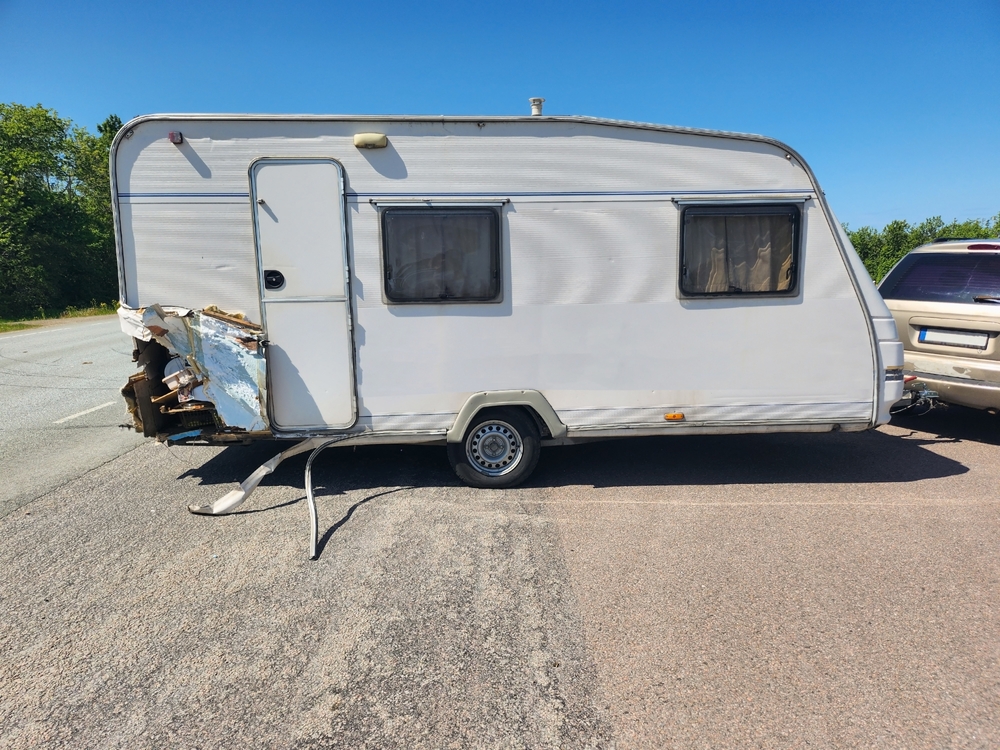
RV crashes take many forms, each presenting different hazards. On highways, collisions often involve devastating force due to vehicle mass. Smaller passenger vehicles are particularly vulnerable when struck by an RV.
Rollovers occur with greater frequency because of elevated centers of gravity. Sudden steering corrections, excessive speed, or uneven terrain can quickly destabilize these vehicles.
Trailer-related incidents, including jackknife accidents and sway, pose serious risks during towing. Tire blowouts at highway speeds may trigger abrupt loss of control, while fires can result from overheated brakes, fuel system failures, or electrical malfunctions.
Away from highways, accidents also occur in campgrounds, parking areas, and residential zones, where limited space and pedestrian traffic increase the likelihood of injury.
Who May Be Liable in an RV Accident
Responsibility for an RV accident often extends beyond the driver. Depending on the circumstances, several parties may share liability.
Careless operation, fatigue, distraction, impairment, or traffic violations may expose drivers to liability. Vehicle owners may also bear responsibility when unsafe operation is permitted or maintenance obligations are ignored.
Rental companies face potential liability for inadequate inspections, poor maintenance, or failure to provide basic instruction to renters unfamiliar with RV operation. Manufacturers may be responsible when defective components—such as brakes, tires, steering systems, fuel lines, or electrical wiring—contribute to crashes or fires.
Negligent repairs performed by maintenance providers or service shops can further expand the scope of liability. Identifying all responsible parties requires careful investigation and technical analysis.
Rental RVs, Campgrounds, and Shared Responsibility
RV accidents frequently involve rented vehicles or occur within campgrounds and RV parks, introducing additional layers of responsibility. Rental companies place large, complex vehicles into the hands of customers who may have little or no prior experience operating them. In doing so, those companies assume duties that go beyond ordinary vehicle rental.
Adequate inspection, maintenance, and safety instruction are essential. When rental companies fail to identify mechanical issues, ignore known defects, or provide only cursory guidance on safe operation, the risk of serious accidents increases significantly. Liability may arise when renters are not warned about vehicle height, braking limitations, towing dynamics, or load restrictions.
Campgrounds and RV parks can also play a role. Poorly designed roadways, inadequate lighting, uneven terrain, or unclear traffic controls may contribute to collisions, rollovers, or pedestrian injuries within these facilities. Operators who fail to maintain safe conditions or address known hazards may share responsibility when injuries occur.
In many cases, RV accidents result from overlapping failures rather than a single mistake. Civil claims examine how these combined responsibilities interacted—and whether reasonable steps could have prevented the harm.
Florida Laws and Regulations Affecting RVs
Florida traffic laws apply to recreational vehicles, but additional regulations may come into play based on size, weight, and towing configuration.
Certain RVs must comply with enhanced braking, lighting, and safety requirements. Towing regulations govern hitching systems, trailer brakes, and safety chains. Load limits and securement rules also affect safe operation.
Even when posted speed limits are followed, drivers must adjust speed and behavior to account for vehicle size and road conditions. Failure to do so may establish negligence.
When RVs are rented or used for commercial purposes, heightened duties often apply with respect to inspection, maintenance, and safety disclosures.
Injuries Commonly Seen in RV Accidents
Due to their mass and interior design, RVs frequently produce severe injuries when crashes occur.
Common injuries include:
- Traumatic brain injuries
- Spinal cord injuries and paralysis
- Broken bones and crush injuries
- Internal organ damage
- Severe lacerations or amputations
- Burns from fires or explosions
- Fatal injuries
Inside RVs, unsecured furniture, appliances, and hard surfaces can turn into dangerous projectiles during a collision. Psychological trauma, including PTSD, anxiety, and fear of travel, is also common after serious RV accidents.
Damages Available in RV Accident Cases
Significant losses often follow RV accidents. Civil damages are intended to address both immediate harm and long-term consequences.
Medical expenses may include emergency care, surgery, rehabilitation, long-term treatment, and assistive devices. Lost income and diminished earning capacity may be recoverable when injuries interfere with employment.
Non-economic damages address pain and suffering, emotional distress, disfigurement, and loss of enjoyment of life.
When fatalities occur, surviving family members may pursue wrongful death damages for loss of companionship, financial support, and funeral expenses. In cases involving reckless conduct, gross negligence, or defective products, punitive damages may also be available.
Why RV Accident Cases Are Complex
Complexity defines RV accident litigation. Vehicle dynamics, load distribution, braking systems, and mechanical components often require expert analysis.
Preserving evidence can be challenging. RVs may be repaired, sold, or returned to rental fleets quickly, making early investigation essential. Insurance coverage is often layered, with separate policies for drivers, owners, renters, manufacturers, and service providers.
Establishing liability typically depends on accident reconstruction, engineering analysis, and detailed medical evidence.
What to Do After an RV Accident
Immediately following an RV crash, safety and medical care should take priority. Injuries may not be obvious at the scene, particularly with head or internal trauma.
Reporting the accident to law enforcement is essential, and obtaining a crash report can later support a claim.
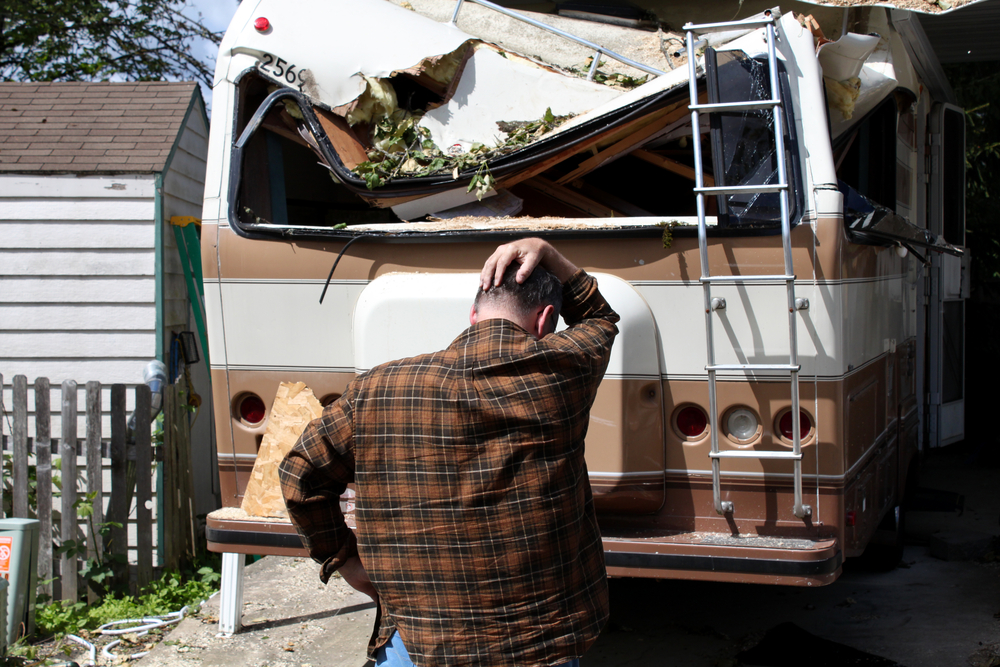
If circumstances allow, documenting the scene is critical. Photographs of vehicle damage, road conditions, skid marks, and surrounding factors can preserve key evidence. Witness contact information should also be collected.
Preserving the RV and any damaged components can be crucial. Conversations with insurance companies or other parties should be delayed until legal advice is obtained.
How We Handle RV Accident Cases
Prompt investigation sits at the center of effective RV accident representation. Buckman, Buckman & Castellano, P.A., works to identify how the crash occurred and where responsibility lies.
Accident reconstruction specialists, engineers, and medical professionals contribute to building evidence-based claims. This approach allows liability to be established with precision rather than assumption.
While clients focus on recovery, the legal process is handled on their behalf. Each case receives careful attention, clear communication, and strategic management.
Responsibility After a Serious RV Accident
Serious RV accidents often trace back to preventable failures—unsafe driving decisions, neglected maintenance, defective components, or improper loading. When those failures cause harm, responsibility must follow. Civil claims provide a means to pursue compensation, expose unsafe practices, and encourage safer operation of recreational vehicles on Florida roads.
For those injured in an RV accident in Sarasota or elsewhere in Florida, Buckman, Buckman & Castellano, P.A. is available for a confidential consultation. Legal options can be explained, and next steps outlined.
Recreation should not come at the cost of safety. When negligence intervenes, the law offers a mechanism for redress.
Contact us for a free consultation
We work with clients in Sarasota, Venice, Bradenton, North Port, Tampa, Orlando, Jacksonville and throughout Florida. Get in touch with us today and tell us what happened to you. We will review your case for free and with no further obligation from you.
Buckman, Buckman & Castellano, P.A.