Rear-end collisions are among the most common types of car accidents on Florida roads. They happen every day on Sarasota streets, highways, and busy intersections, often when drivers least expect them. While these crashes are frequently labeled as “minor,” the injuries and financial impact can be anything but.
If you were hurt in a rear-end crash, you may be dealing with medical appointments, missed work, and lingering pain that disrupts daily life. The personal injury attorneys at Buckman, Buckman and Castellano, P.A. represent individuals injured in rear-end collisions throughout Sarasota and surrounding communities. We focus on clear guidance, careful case preparation, and direct advocacy so clients can move forward with confidence.
What Is a Rear-End Collision?
A rear-end collision happens when one vehicle strikes the back of another.
These accidents often happen during routine driving situations, such as:
- In heavy traffic
- At stoplights or stop signs
- When a driver is distracted
- In poor weather
- During sudden braking
Because rear-end collisions frequently involve unexpected force, even low-speed impacts can strain the body in ways that are not immediately obvious.
Why Rear-End Crashes Often Lead to Injury
Rear-end collisions may seem minor, but they can lead to:
- Whiplash and neck injuries
- Back and spinal injuries
- Concussions and head trauma
- Soft-tissue injuries
- Shoulder and arm injuries
- Broken bones
- Internal injuries
Some symptoms may take days to appear, which is why medical evaluation is important even when pain feels manageable at first.
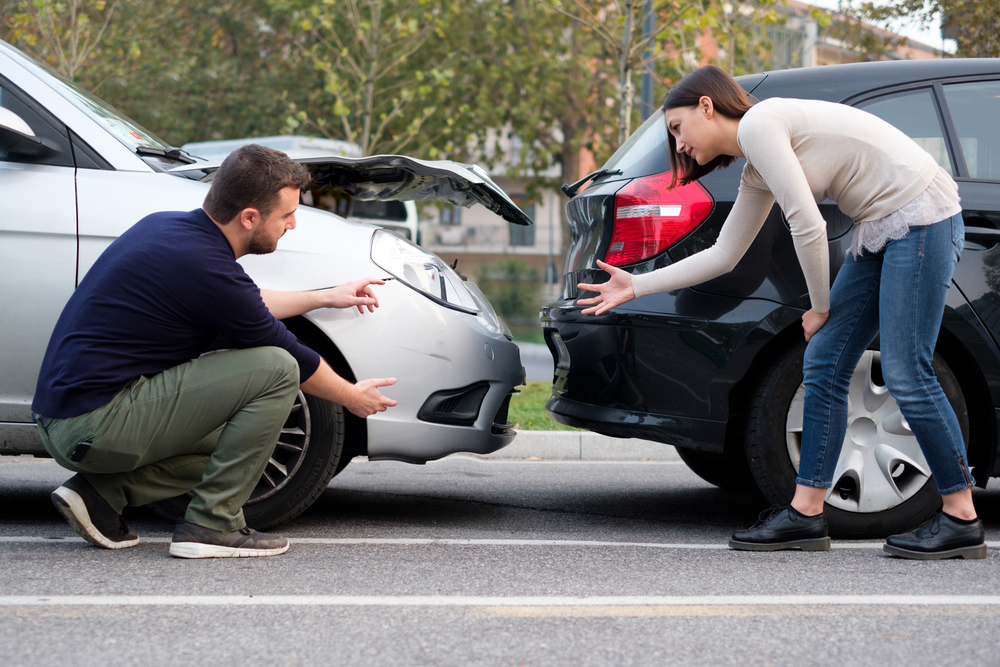
Determining Fault in a Rear-End Crash Collision
In Florida, the driver who strikes another vehicle from behind is often presumed to be at fault. That’s because drivers are expected to maintain a safe following distance and be alert to changing traffic conditions.
That presumption, however, is not absolute. Fault may be shared or disputed if:
- The lead driver stopped suddenly without cause
- Road conditions contributed
- A vehicle malfunction occurred
- A rear driver was improperly merging or changing lanes
Buckman, Buckman and Castellano, P.A. investigates every detail — traffic reports, witness statements, surveillance footage, and accident reconstructions — to identify how the collision occurred and who should be held accountable.
Evidence That Strengthens Your Claim
Strong claims are supported by thorough documentation. The sooner evidence is preserved, the better positioned a case will be.
Strong rear-end collision claims typically include:
- Police accident reports
- Medical records and treatment plans
- Photos of vehicles, damage, and the crash scene
- Expert analysis (e.g., accident reconstruction)
- Witness accounts
- Documentation of lost income and property damage
The more evidence we gather, the stronger your claim tends to be. We organize and present this evidence in a way that clearly connects the crash to your injuries and financial losses.
Common Mistakes That Hurt Injury Claims
In the days following a collision, well-meaning decisions can unintentionally weaken a claim.
After a crash, victims sometimes:
- Delay medical treatment
- Provide recorded statements to insurers too soon
- Accept quick settlement offers
- Post details on social media
- Try to negotiate on their own
These actions can weaken your case. A lawyer can handle communication with insurers and protect your rights from the start.
Compensation Available After a Rear-End Collision
Depending on your injury and the circumstances, you may recover damages for:
- Medical bills and future treatment
- Lost wages and loss of earning capacity
- Rehabilitation and therapy
- Pain and suffering
- Emotional distress
- Property damage
- Long-term disability or decreased quality of life
Florida follows a comparative fault system. As long as you are not found to be more than 50 percent responsible, you may still pursue compensation.
Why Insurance Companies Push Back on Rear-End Claims
Rear-end collisions are common, which means insurers handle them frequently.
Unfortunately, that experience often leads to aggressive cost-cutting tactics, such as:
- Minimizing injury severity
- Attributing pain to pre-existing conditions
Delaying claim processing Pressuring victims into quick settlements Buckman, Buckman and Castellano, P.A. addresses these tactics directly, using documentation and negotiation strategies designed to support the true value of your claim.
How We Help Rear-End Collision Victims
When you work with our firm, you receive hands-on representation from start to finish.
We will:
- Investigate your collision and gather critical evidence
- Obtain and review police, medical, and expert reports
- Communicate with insurers on your behalf
- Document all economic and non-economic losses
- Build a strong demand package or prepare for trial
- Keep you informed at every step
We handle the legal details so you can focus on your recovery.

No Fees Unless We Win
Like all personal injury cases at Buckman, Buckman and Castellano, P.A., rear-end collision claims are handled on a contingency fee basis — meaning:
- No upfront legal fees
- No hourly billing
- No payment unless we recover money for you
This fee structure lets you pursue justice without added financial pressure.
Time Limits Apply to Rear-End Collision Claims
Florida law places limits on how long you have to file a personal injury claim. Waiting too long can result in lost evidence and missed legal deadlines.
Speaking with a lawyer early can help preserve your options and avoid unnecessary setbacks.
Frequently Asked Questions About Rear-End Collisions
What should I do right after a rear-end collision?
Seek medical attention, report the crash to law enforcement, exchange information with the other driver, photograph the scene, and contact a lawyer before giving official statements to insurers.
Does the rear driver always have fault?
Not always. While there’s a strong presumption against the rear driver, fault can shift due to sudden stops, road hazards, or multiple vehicles.
Can I still recover if I wasn’t in my vehicle?
Yes. Passengers and pedestrians struck by vehicles involved in a rear-end crash may have claims too.
What if I didn’t feel hurt at first?
Symptoms often appear later. Always seek medical evaluation soon after a crash — this protects your health and your claim.
Is it worth hiring a lawyer for a “minor” collision?
Even low-impact crashes can lead to costly injuries. A lawyer helps ensure you don’t settle for less than your case is worth.
How long does a rear-end collision case take?
Each case is different. Some settle in weeks, others in months or longer, depending on injuries and negotiations.
What if the driver who hit me claims I stopped suddenly?
Drivers are required to maintain a safe following distance and remain alert to traffic conditions. Even if traffic slows unexpectedly, rear drivers are usually expected to react safely. Claims of sudden stopping are common defenses, but they do not automatically eliminate liability. Evidence such as traffic patterns, vehicle damage, and witness statements often clarifies what truly happened.
Can I still file a claim if I was rear-ended at a red light?
Yes. Rear-end collisions at stoplights are among the most straightforward injury claims, as stopped drivers are rarely responsible for being struck from behind. Insurance companies may still dispute injury severity, but liability is often clear.
What if multiple vehicles were involved in the crash?
Multi-vehicle rear-end accidents can be more complex. Chain-reaction crashes require careful investigation to determine whether one driver caused the entire collision or whether fault is shared. Each driver’s speed, braking distance, and attention level may be reviewed.
Should I repair my car before speaking with a lawyer?
It is best to document vehicle damage thoroughly before repairs begin. Photos, repair estimates, and damage reports can help establish the force of impact and support injury claims. Once repairs are completed, important physical evidence may be lost.
What if I already gave a statement to the insurance company?
Giving a statement does not prevent you from seeking legal representation. However, insurance adjusters may use early statements to limit or deny claims. An attorney can review what was said and help protect your interests moving forward.
Can a rear-end collision worsen a prior injury?
Yes. Florida law allows compensation when an accident aggravates a pre-existing condition. Medical records and expert opinions can help show how the crash worsened symptoms or created new limitations.
What if the at-fault driver was uninsured or underinsured?
If the driver who caused the crash lacks sufficient insurance, you may still have options through your own uninsured or underinsured motorist coverage. These claims can be complex, and legal guidance is often helpful.
Will I have to go to court?
Many rear-end collision cases resolve through negotiation. Court involvement is only necessary if a fair settlement cannot be reached. Preparing every case thoroughly allows for stronger negotiating leverage.
How soon should I speak with a lawyer after a rear-end crash?
The sooner you speak with a lawyer, the easier it is to preserve evidence, document injuries, and avoid insurance pitfalls. Early guidance often leads to smoother and more effective claims.
Speak With a Sarasota Rear-End Collision Lawyer
If you were injured in a rear-end crash, you don’t have to face medical bills, insurance battles, or uncertainty alone. The Sarasota injury attorneys at Buckman, Buckman and Castellano, P.A. are here to help you understand your options and pursue full compensation.
Contact Buckman, Buckman and Castellano, P.A. today for a free consultation. Let us review your case, answer your questions, and help you take the next step toward recovery.
Contact us for a free consultation
We work with clients in Sarasota, Venice, Bradenton, North Port, Tampa, Orlando, Jacksonville and throughout Florida. Get in touch with us today and tell us what happened to you. We will review your case for free and with no further obligation from you.
Buckman, Buckman & Castellano, P.A.