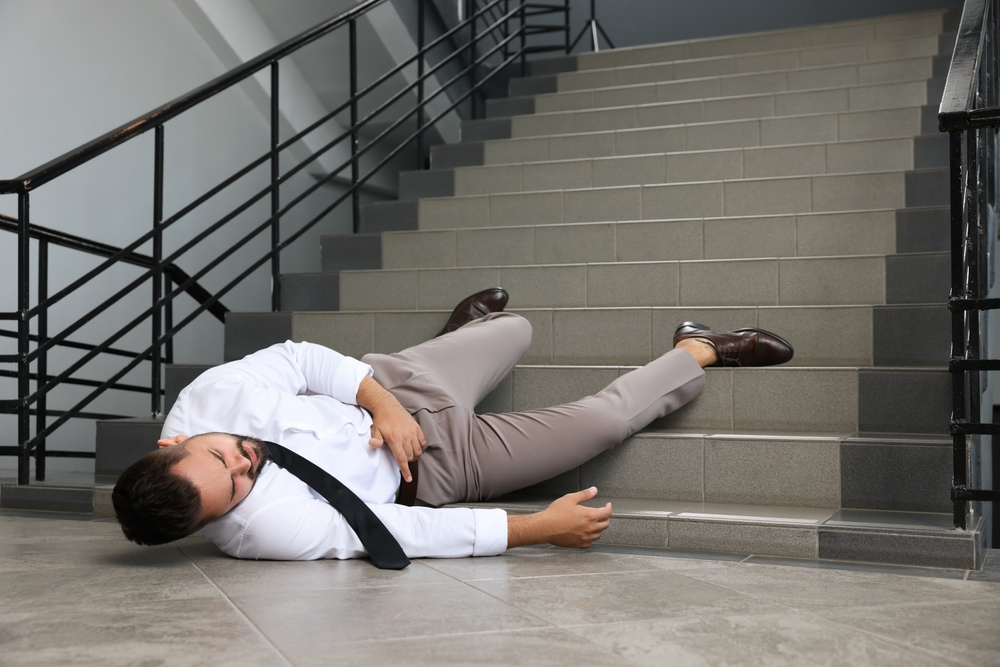
Walking through a public space should be safe. Yet every year, thousands of people suffer serious, preventable injuries after slipping, tripping, or falling on poorly maintained property.
These accidents happen quickly and often without warning. A wet floor, torn carpet, uneven pavement, or poor lighting can cause your feet to slide or catch before you have time to react. In an instant, you’re on the ground hurt, disoriented, and facing an unexpected medical emergency.
Many victims initially blame themselves, thinking they should have been more careful. But under Florida law, property owners have a duty to keep their premises reasonably safe and to warn visitors about known hazards. When negligence plays a role, a fall may not be your fault at all.
At Buckman, Buckman & Castellano, P.A., we represent slip and fall victims throughout Sarasota and the surrounding areas. We focus on building strong, evidence-based cases, countering insurance company defenses, and pursuing fair compensation for people whose lives have been disrupted by preventable accidents.
What Makes Property Owners Liable
Not every fall creates legal liability. Sometimes accidents just happen. However, Florida law requires property owners to maintain reasonably safe premises and to warn visitors about dangers they know about or should have discovered through regular inspection.
This duty applies to many types of property, including retail stores, office buildings, restaurants, apartment complexes, and other public or semi-public spaces.
The level of protection owed depends on your legal status on the property:
- Invitees, such as customers or visitors there for business purposes, are owed the highest duty of care. Property owners must regularly inspect the premises, correct hazards, and warn about dangers they cannot immediately fix.
- Licensees, such as social guests, must be warned about hidden dangers the owner actually knows about.
Understanding your status is essential in determining whether a property owner failed to meet their legal obligations.
Common Causes of Falls
Many slip and fall accidents stem from conditions that could have been prevented with proper maintenance.
Wet floors are a frequent cause, often resulting from spills, leaks, or rain tracked indoors. A key legal question is how long the hazard existed and whether the property owner should have known about it?
Other common hazards include cracked sidewalks, broken pavement, torn carpet, loose floor mats, and uneven transitions between flooring surfaces. These conditions create unexpected trip hazards that routine inspections should catch.
Poor lighting also plays a major role. Dim stairwells, dark parking lots, and poorly lit hallways make it difficult to see spills, obstacles, or changes in elevation. When lighting issues go unaddressed, otherwise navigable spaces become dangerous.
Structural defects such as uneven steps, missing handrails, or inconsistent stair treads are particularly hazardous. Merchandise, boxes, cleaning equipment, and extension cords left in walkways also contribute to falls, particularly in areas where customers do not expect obstacles.
How Slip and Fall Liability Is Proven
Insurance companies fight slip and fall claims aggressively, arguing that falls happen for Slip and fall claims are often contested aggressively by insurance companies. To succeed, it must be shown that the property owner had a meaningful connection to the hazard either by creating it, knowing about it, or having enough time to discover it through reasonable inspection.
This concept, known as constructive notice, is one of the most heavily litigated issues in Florida slip and fall cases. A spill that appeared moments before a fall may not create liability, while a condition present for hours likely should have been discovered and corrected.
Proving how long a hazard existed relies on practical, real-world evidence. This may include surveillance footage, signs of foot traffic through a spill, or witness observations showing the condition wasn’t new.
Causation matters just as much. Insurers frequently argue that something other than the hazard caused the fall, such as distraction, footwear, or a prior medical issue. Prompt medical treatment, clear documentation, photos from the scene, and witness statements help establish a direct link between the dangerous condition and the injury.
Waiting too long to seek medical care gives insurers room to dispute both the seriousness of the injury and its connection to the fall.
Injuries Often Caused by Slip and Fall Accidents
Falls happen suddenly and without warning, which often leaves the body little time to react or absorb the impact. As a result, slip and fall accidents frequently cause serious injuries.
Injuries often associated with slip and fall accidents include:
- Hip fractures- Particularly among older adults, hip fractures can be life-threatening and often require surgery, hospitalization, and extended rehabilitation. Many lead to lasting loss of mobility or independence.
- Broken wrists and arms- People instinctively reach out to break a fall, making wrist and arm fractures common. These injuries may require surgery, casting, and ongoing physical therapy.
- Spinal injuries- Herniated discs and spinal fractures can cause chronic pain, reduced mobility, and long-term limitations that affect work and daily activities.
- Head and joint injuries- Concussions, traumatic brain injuries, rotator cuff tears, and ligament injuries to the knees or shoulders often occur when the body strikes hard surfaces or nearby objects.
These injuries can have lasting effects that extend well beyond the initial fall, impacting independence, employment, and overall quality of life. Proper medical care and documentation are critical in understanding the full scope of harm caused.
What Insurance Companies Argue
Insurance defenses in slip and fall cases tend to follow predictable patterns.
A common claim is that the hazard was “open and obvious” and should have been avoided. While Florida law considers visibility, property owners cannot maintain dangerous conditions and avoid responsibility simply because a hazard can be seen.
Insurers also rely heavily on comparative negligence, alleging that the injured person was distracted, wearing improper footwear, or otherwise careless. This is why insurers often scrutinize phone use, footwear, and activity immediately before the fall.
Medical history is frequently examined to suggest that symptoms existed before the accident. In some cases, insurers deny the existence of any hazard at all, claiming the fall resulted from unrelated issues.
Special Situations
Certain slip and fall cases involve additional legal rules. Falls on public property such as city sidewalks or government buildings require compliance with strict notice requirements and sovereign immunity laws.
Landlords have specific duties regarding common areas like stairwells, walkways, and pool decks. Construction sites and properties undergoing renovation often involve heightened safety responsibilities.
Parking lots, which commonly contain potholes, drainage issues, and lighting problems, are also subject to well-established maintenance standards under Florida law.
What to Do After a Slip and Fall
Actions taken immediately after falling can significantly impact a potential claim:
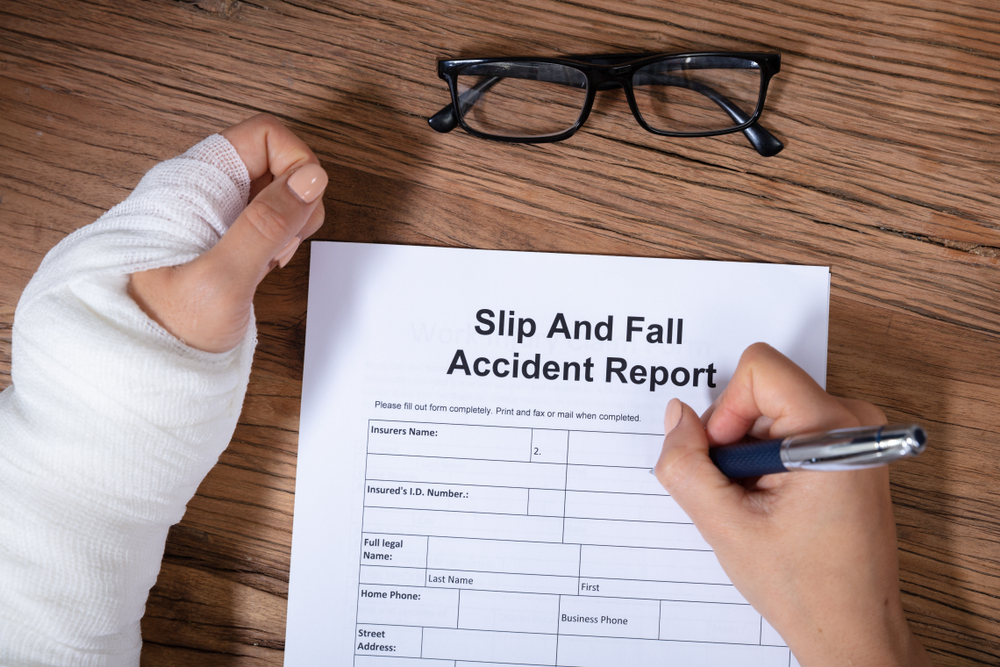
- Report the Accident: Insist that the property owner or manager create an incident report and obtain a copy before leaving.
- Document the Scene: Photograph the hazard, your injuries, the surrounding area, warning signs (or lack thereof), and lighting conditions. Conditions change quickly, and evidence disappears.
- Identify Witnesses: Get contact information from all witnesses who saw your fall or noticed the hazard beforehand.
- Seek Medical Care: Get medical treatment right away. Tell doctors precisely how you fell and what hurts, as medical records must link injuries to the fall.
- Decline Statements: Do not give recorded statements to insurance adjusters until you have consulted an attorney.
You don’t need to decide anything right away. These steps are about protecting yourself first and giving you flexibility if you choose to explore your options later.
How We Handle Slip and Fall Cases
At Buckman, Buckman & Castellano, P.A., we use thorough investigation and aggressive advocacy to overcome insurance company skepticism. We begin with prompt investigation, documenting conditions before they change. Surveillance footage is secured quickly, often through formal legal requests, before it is deleted.
We also work with engineers, safety professionals, and medical experts to explain how unsafe conditions caused the fall and to document the full extent of injuries. This preparation strengthens negotiations and positions cases for litigation when fair resolution is not offered.
Protecting Your Rights
Do not assume that nothing can be done or that you are somehow at fault for your slip and fall. Property owners have legal responsibilities, and when those responsibilities are ignored, Florida law provides a path to accountability.
When serious injuries disrupt your life and create financial burdens because of an owner’s negligence, you shouldn’t bear those costs alone.
Contact Buckman, Buckman & Castellano, P.A., for a consultation.
Contact us for a free consultation
We work with clients in Sarasota, Venice, Bradenton, North Port, Tampa, Orlando, Jacksonville and throughout Florida. Get in touch with us today and tell us what happened to you. We will review your case for free and with no further obligation from you.
Buckman, Buckman & Castellano, P.A.