
Trusts are supposed to simplify things. People create them to avoid probate, maintain privacy, and ensure smooth asset transfers to beneficiaries. The trust document spells out exactly how assets should be managed and distributed, eliminating ambiguity and preventing family fights. That’s the theory, anyway.
In reality, trust disputes arise frequently. Beneficiaries question whether the trust truly reflects what the grantor wanted. Trustees make decisions that other family members find questionable or self-serving. Ambiguous trust language creates disagreements about what provisions actually mean. Family members who expected to inherit discover they’ve been excluded or received less than their siblings.
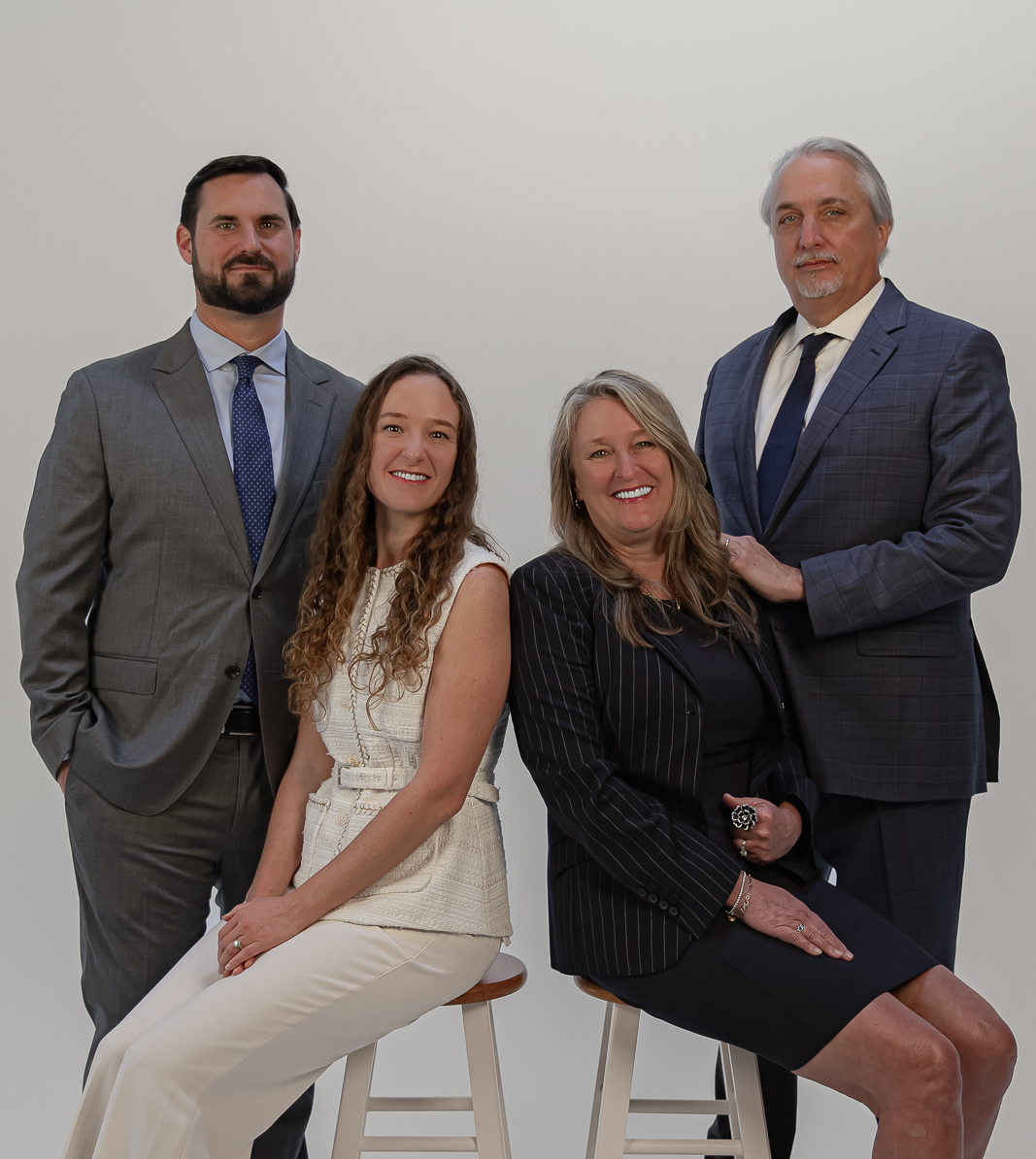
At Buckman, Buckman & Castellano, P.A., we represent beneficiaries, trustees, and other interested parties in trust contests and disputes throughout Sarasota and the surrounding areas. Whether you’re challenging a trust’s validity, seeking a trustee’s removal, or defending your administration of a trust, we provide the strategic guidance and aggressive advocacy these complex cases require.
Why Trust Disputes Differ from Will Contests
Trust disputes operate under different rules than will contests, and understanding these differences matters when protecting your interests.
Trusts often don’t go through probate, which means the court supervision that applies to estates doesn’t automatically apply to trusts. This can make trust administration less transparent and give trustees more latitude to act without oversight. When problems arise, beneficiaries must take affirmative steps to get court involvement.
The timeline for challenging trusts differs from that of will contests. While will contests in Florida must be filed within three months of receiving notice of administration, trust challenges have varying deadlines depending on the specific claim.
Privacy makes trust disputes both easier and harder. Because trusts don’t go through public probate proceedings, disputes can be resolved more privately. But that same privacy means beneficiaries often don’t know what’s happening with trust assets or whether the trustee is acting properly.
Grounds for Contesting Trusts
Not every disagreement with a trust’s terms or a trustee’s decisions amounts to valid legal grounds for a contest. Florida law recognizes specific bases for challenging trust validity.
Lack of Capacity
The grantor must have had the mental capacity to create a valid trust. This means understanding what property they own, who their natural beneficiaries are, what they’re doing by creating the trust, and how the trust operates.
Capacity challenges often arise when trusts are created or amended late in life, particularly when the grantor suffered from dementia, Alzheimer’s disease, or other cognitive impairments. Medical records become crucial evidence, as do witnesses who can testify about the grantor’s mental state.
The key question isn’t whether the grantor had some mental decline, but whether they possessed sufficient capacity at the specific moment they signed the trust document.
Undue Influence
Undue influence occurs when someone exerts pressure that overpowers the grantor’s free will. This goes beyond persuasion—it involves manipulation, isolation, and control that substitutes the influencer’s desires for the grantor’s genuine wishes.
Courts examine several factors: Did the influencer have a confidential relationship with the grantor? Were they involved in procuring or drafting the trust? Did they benefit substantially? Was the grantor vulnerable due to age, illness, or dependency?
Classic scenarios involve caregivers who isolate elderly or vulnerable people from family, control access to information, and pressure them into creating or changing trusts in the caregiver’s favor.
Fraud and Improper Execution
Fraud involves intentionally deceiving the grantor about material facts related to the trust. Someone might trick the grantor into signing documents they believe are something else, or make false statements that cause the grantor to include or exclude certain provisions.
Florida law requires specific formalities for valid trusts. The grantor must sign the trust document with two witnesses. Technical failures can invalidate trusts even when they reflect the grantor’s genuine wishes.

Trust Amendment and Revocation Disputes
Many trust disputes don’t challenge the original trust’s validity but instead contest amendments or revocations made later.
Grantors often modify trusts multiple times throughout their lives, responding to changed circumstances, relationships, or wishes. Each amendment presents potential grounds for challenge if the grantor lacked capacity, was unduly influenced, or didn’t properly execute the amendment.
Multiple amendments create particular problems. The trust might be amended five times over ten years, with some amendments potentially valid and others questionable.
Trustee Misconduct and Removal
Many trust disputes focus on whether the trustee is administering the trust properly.
Breach of Fiduciary Duty
Trustees owe beneficiaries the highest duties recognized under law. Several types of conduct breach these duties.
When trustees use their positions for personal benefit beyond authorized compensation, self-dealing occurs. Buying trust property for themselves at favorable prices, investing trust funds in their own businesses, or hiring themselves or family members at inflated rates all constitute self-dealing that can result in a surcharge.
Careless handling of trust assets amounts to mismanagement. Making imprudent investments, failing to diversify appropriately, neglecting property maintenance, or letting assets depreciate through inattention all breach the duty of prudence. The standard isn’t perfection, but trustees must act as reasonably prudent people would.
Treating beneficiaries differently without legal justification breaches the duty of impartiality. When trusts have multiple beneficiaries with different interests, trustees must balance these fairly.
Failure to Account and Communicate
Trustees must provide beneficiaries with relevant information about trust administration, including accountings showing assets, income, expenses, and distributions. Refusing to provide information or giving an incomplete accounting breaches trustee duties.
Grounds for Removal
Courts can remove trustees who breach fiduciary duties, become incapacitated, have conflicts that prevent effective administration, or prove unsuitable for other reasons. Removal doesn’t require proof of dishonesty—incompetence or poor judgment can be sufficient.
Trust Interpretation Disputes
Even valid trusts administered by competent trustees sometimes generate disputes about what specific provisions mean.
Trust language that seemed clear when drafted can become ambiguous when applied to actual circumstances. Did “my children” include stepchildren? Does “my house” refer to the primary residence, vacation property, or both?
Courts interpret trust language by examining the trust document as a whole, considering the grantor’s intent based on surrounding circumstances. But reasonable people can disagree about ambiguous provisions.
Trusts drafted years ago sometimes don’t account for changed circumstances. Property has been sold, beneficiaries have died, and tax laws have changed. Applying trust terms to changed situations requires interpretation that beneficiaries might dispute.
Disputes Over Discretionary Distributions
Many trusts give trustees discretion about distributions to beneficiaries. This creates frequent disputes when beneficiaries want distributions and trustees refuse.
Trustee discretion isn’t absolute. Even with broad discretion, trustees must exercise it reasonably and in good faith. Courts examine whether trustees considered relevant factors and avoided arbitrary decisions.
The trust document often provides standards for discretionary distributions—”for health, education, maintenance, and support” is common language. Interpreting these standards creates disputes. Is private school tuition an educational need? Are cosmetic medical procedures health-related?
Beneficiaries challenging discretionary decisions must show the trustee abused discretion by acting unreasonably or in bad faith. This is a high bar, but abuse does occur.
Trust Modification and Termination
Florida law allows trust modification or termination under certain circumstances, even when the grantor has died.
If all beneficiaries consent and the modification doesn’t violate a material purpose of the trust, courts can approve modifications. But getting all beneficiaries to agree is often impossible.
When circumstances not anticipated by the grantor make trust administration impracticable or wasteful, courts can modify trusts even without beneficiary consent.
Some beneficiaries want to terminate trusts and receive their interests outright rather than waiting for distributions over time. Florida law sometimes allows this if all beneficiaries consent and termination doesn’t defeat a material trust purpose.
Resolving Trust Disputes
When trust disputes arise, several resolution paths exist. Negotiation between parties and their attorneys resolves many disputes without formal court involvement. This approach preserves relationships, maintains privacy, and reduces costs.
Mediation brings parties together with a neutral mediator. Many trust disputes settle in mediation once all sides understand realistic outcomes and litigation costs.
When negotiation and mediation fail, court proceedings become necessary. These can be lengthy and expensive, but sometimes they’re the only way to protect your interests.

How We Handle Trust Disputes
At Buckman, Buckman & Castellano, P.A., trust dispute representation starts with an honest evaluation. Not every disagreement justifies the cost and family damage of litigation. We’ll tell you whether your concerns amount to viable claims.
When you have strong grounds for challenging a trust or contesting a trustee’s actions, a thorough investigation builds compelling cases. Medical records, financial documents, witness testimony, and expert analysis all contribute to proving claims.
We pursue resolution through negotiation and mediation when possible. Many trust disputes can be resolved through compromise that preserves relationships while protecting your interests. But when litigation becomes necessary, we advocate aggressively.
Throughout the process, we keep you informed about realistic outcomes, costs, and strategic options.
Protecting Your Trust Rights
If you have concerns about a trust’s validity, how it’s being administered, or whether your rights as a beneficiary are being respected, don’t wait to seek legal counsel.
Contact Buckman, Buckman & Castellano, P.A. to discuss your trust concerns. We’ll review your situation, explain your legal options, and help you make informed decisions about protecting your interests and your inheritance.
Contact us for a free consultation
We work with clients in Sarasota, Venice, Bradenton, North Port, Tampa, Orlando, Jacksonville and throughout Florida. Get in touch with us today and tell us what happened to you. We will review your case for free and with no further obligation from you.
Buckman, Buckman & Castellano, P.A.