

One moment you’re driving through Sarasota’s familiar streets. Next, a rental car with out-of-state plates slams into your bumper, and by the time you’ve caught your breath, the driver is already talking about catching their flight home. It’s a situation locals deal with far more often than most realize, and it leaves many wondering the same thing: Can you actually sue a tourist for a car accident in Sarasota? Speaking with an experienced Sarasota car accident lawyer can help you understand your rights and the options available.
The short answer is yes, but the reality is more layered. Florida law has specific rules for out-of-state drivers, and understanding them early can make the difference between a stalled claim and a successful case. This isn’t about theory; it’s what actually works when the other driver is halfway across the country and you’re left dealing with injuries, repairs, and unanswered questions.
Understanding Florida’s Jurisdiction Over Out-of-State Drivers
When a driver from another state causes an accident in Sarasota, the question of jurisdiction, whether a Florida court can hear the case, comes first.
Florida’s Long-Arm Statute (§48.193) allows courts to exercise jurisdiction over a nonresident who causes injury within the state.
Under the Long-Arm Statute, any driver who causes harm while in Florida can be sued here, even if they’ve returned home. This is reinforced by the Nonresident Motorist Statute (§48.171), which names the Florida Secretary of State as the driver’s agent for service of process if they leave the state.
Key procedural tools include:
- Substitute service via the Secretary of State when the driver cannot be served directly in Florida.
- Service outside Florida (§48.194), where a process server delivers legal papers in the defendant’s home state.
- The principle of minimum contacts, which makes sure that the non-resident had sufficient ties to justify jurisdiction.
The Role of Florida’s No-Fault & Serious Injury Threshold
Florida is a no-fault insurance state, meaning that after most accidents, your own Personal Injury Protection (PIP) coverage pays medical bills and lost wages, regardless of fault.
However, suing a tourist for additional damages requires meeting the serious injury threshold under §627.737. This applies when the accident results in:
- Significant and permanent loss of an important bodily function
- Permanent injury
- Major and lasting scarring or disfigurement
- Death
If you meet this threshold, you can pursue damages such as pain and suffering, future medical expenses, and lost earning capacity.

Special Considerations for Tourists & Rental Cars
Many tourists drive rental cars in Sarasota, adding another legal layer. Under the Graves Amendment (49 U.S.C. §30106), rental car companies are generally protected from liability for wrongful acts committed by their renters. You typically cannot sue the rental company just because they own the vehicle.
Exceptions exist, including:
- Negligent maintenance of the vehicle
- Negligent entrustment, such as renting to someone unfit to drive
In these cases, maintenance records, rental agreements, and electronic data recorder (EDR) information can become key evidence.
What If the At-Fault Driver Leaves the State or Country?
Tourists often leave Florida shortly after an accident. Florida law anticipates this problem. Under Florida’s Nonresident Motorist Statute (§48.171), the Secretary of State can be served on behalf of a nonresident driver, streamlining service when they’ve already left the state.
If the driver is from another country, service may fall under the Hague-Visby Convention, which governs how court documents are served internationally. This process may require translations and can take several months.
Building a Strong Case Against an Out-of-State Driver
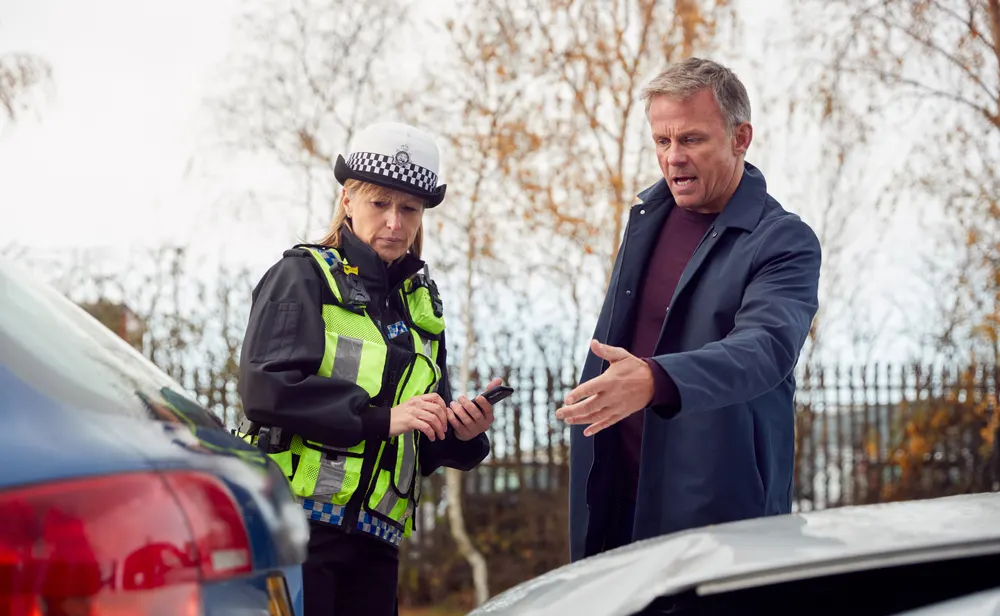
When the at-fault driver doesn’t live in Florida, time is not on your side. Out-of-state cases move best when evidence is secured quickly and documented thoroughly. The more proof you have, the harder it becomes for the other driver or their insurer to dispute what happened.
Critical evidence can include:
- Rental agreements and insurance details to confirm who was driving and the coverage terms.
- Vehicle maintenance logs to check for safety issues that could shift liability.
- Toll and transponder records showing the vehicle’s movements before and after the crash.
- Dashcam or surveillance footage that captures the collision or surrounding events.
- Hotel reservations and flight itineraries to establish the driver’s presence in Sarasota.
- Witness statements while memories are fresh.
- Police reports, including Florida Highway Patrol crash reports, provide official documentation of the incident.
Venue also matters. Most lawsuits arising from local accidents are filed in Sarasota County Circuit Court, part of Florida’s 12th Judicial Circuit. Filing in the correct court ensures the case can proceed without jurisdictional delays.
Key Legal Tools for Suing Out-of-State Drivers in Sarasota
|
Legal Provision / Rule |
Purpose |
Key Points |
| §48.193 (Long-Arm Statute) | Grants jurisdiction | Covers harm caused in FL by non-resident |
| §48.171 (Nonresident Motorist) | Substitute service | Serve via FL Secretary of State |
| §48.194 (Service Outside FL) | Personal service | Requires affidavit + proof |
| §627.737 | Serious injury threshold | Needed to sue beyond PIP |
| 49 U.S.C. §30106 (Graves Amendment) | Rental car liability | No vicarious liability, with exceptions |
FAQs
Can I sue a tourist who caused my accident in Sarasota if they have already gone home?
Yes. Florida law permits substitute service through the Secretary of State or personal service in their home state, ensuring you can still proceed with your claim.
What if the tourist was driving a rental car?
Rental companies are usually protected under the Graves Amendment unless you can show negligent maintenance or entrustment.
Do Florida’s no-fault laws apply to tourists?
Yes. Tourists must comply with Florida’s PIP requirements, but lawsuits beyond PIP are allowed only if your injuries meet the state’s serious injury threshold under §627.737.
What if the at-fault tourist is from another country?
International cases often require compliance with the Hague Service Convention, which governs cross-border service and may lengthen the timeline for serving legal documents.
How long do I have to file a lawsuit?
Florida negligence claims must be filed within two years under HB 837 (2023), so timely action is paramount.
Does Sarasota have a specific court for these cases?
Yes. Most lawsuits from accidents in Sarasota are filed in the Sarasota County Circuit Court, part of Florida’s 12th Judicial Circuit Court system.
Conclusion
Car accidents involving out-of-state drivers in Sarasota can be complex due to jurisdiction, service of process, and insurance liability. But Florida does not provide clear, practical ways to hold these drivers accountable, even after they’ve returned home. The key is acting quickly, preserving robust evidence, and understanding the legal tools available to you.
At Buckman, Buckman & Castellano, P.A. our multi-attorney team handles these cases from start to finish, ensuring that out-of-state defendants are brought into court and your claim moves forward. If you’ve been injured in a crash involving a tourist, reach out today for a free consultation and find out how we can help you protect your rights and get the compensation you deserve.