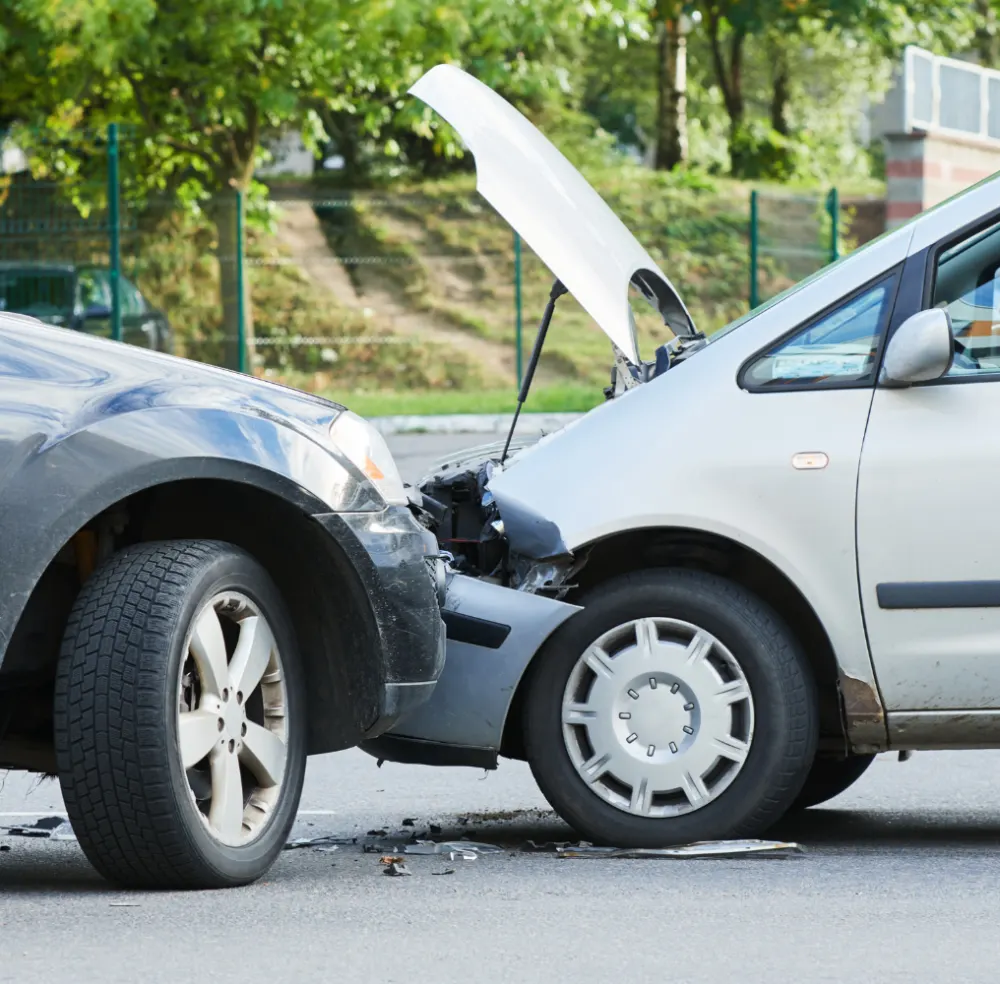










In a no-fault state like Florida, a crash claim starts with your own policy. Personal injury protection (PIP) coverage pays before fault is settled, no matter who caused it: 80% of medical bills, 60% of lost wages, a $10,000 ceiling on the total. Pain and suffering is not part of what it covers.
PIP runs on a clock, and it starts the day of the crash. You generally have to see a doctor within 14 days to use your PIP benefits at all. Miss that window, and the coverage can be gone for good. It is the single rule most St. Petersburg drivers never hear about until it is too late.
Serious injuries change the picture. A permanent injury, significant scarring, the loss of an important bodily function: any of these lets you step outside no-fault and bring a claim straight against the at-fault driver for what PIP never covers. Fault becomes the central fight at that point. Under Florida’s modified comparative negligence rule, say a jury values your claim at $180,000 but finds you 45% responsible. You recover $99,000. Cross 50%, and you recover nothing.
One deadline sits under all of it. Since a 2023 change to Florida law, you have two years from the date of the crash to bring an injury lawsuit, half the old four-year window. That clock is measured from the date of the crash, and it does not pause while you wait to see how serious the injury becomes.