Among the most devastating physical injuries, fire-related burns often leave lasting consequences. Extreme pain, permanent scarring, loss of function, and long-term medical complications are common, and in the most severe cases, fires are fatal. Even when survivors live, recovery can stretch over years and may never be complete.
Across Sarasota and throughout Florida, fires and burn accidents occur in a wide range of settings. Apartment buildings, workplaces, hotels, nursing homes, vehicles, and private residences all present risks when safety measures fail. Although fires are sometimes described as unavoidable accidents, preventable conditions frequently play a role—defective products, faulty wiring, code violations, and the absence of basic safety equipment.
When we represent individuals harmed by fires and burn accidents, Buckman, Buckman & Castellano, P.A. focuses on identifying how the incident occurred, who was responsible, and how the resulting harm should be fully addressed through civil claims.
Common Causes of Fire and Burn Injuries
Rarely does a fire result from a single factor. More often, burn injuries arise from a combination of unsafe conditions, equipment failures, and human error. Determining the cause is a critical first step in assessing liability.
Among the leading causes are electrical failures. Faulty wiring, overloaded circuits, outdated systems, and improper repairs can ignite fires in residential and commercial properties alike.
Defective consumer products also contribute significantly. Space heaters, kitchen appliances, batteries, power tools, and electronic devices may overheat, spark, or explode due to design or manufacturing defects.
Gas-related incidents present another serious danger. Leaking gas lines, improper installation, poor ventilation, or neglected maintenance frequently lead to fires and explosions that cause catastrophic burns and structural damage.
Beyond these hazards, unattended cooking, improper storage of flammable materials, disabled fire suppression systems, and violations of fire safety codes regularly appear in burn injury cases. Often, multiple failures converge to create a dangerous environment.
Types and Severity of Burn Injuries
Burn injuries are classified according to depth and tissue damage, with severity increasing as burns penetrate deeper layers of the body.
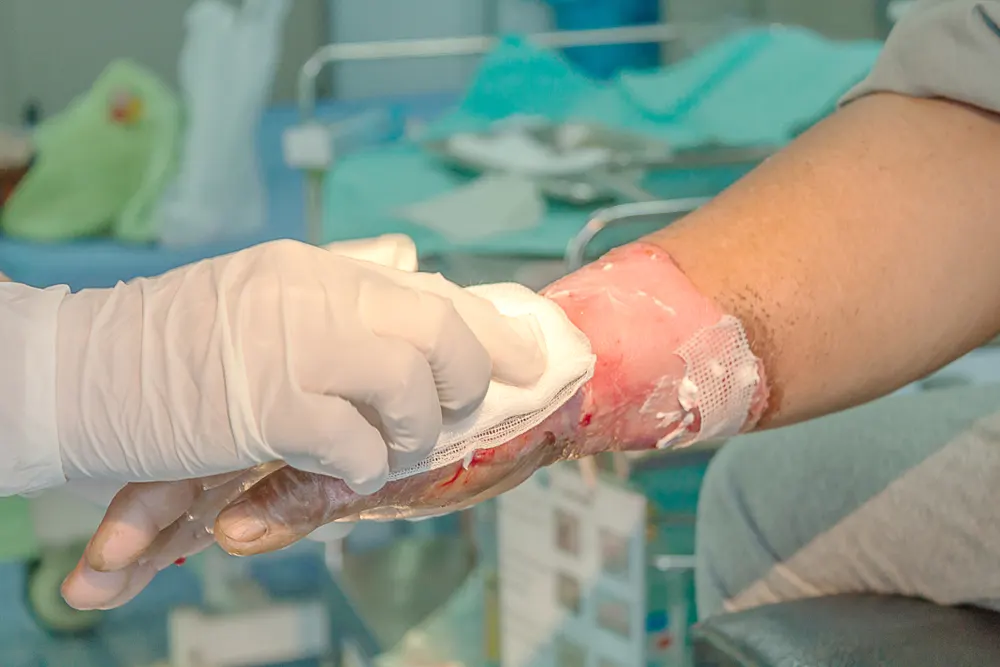
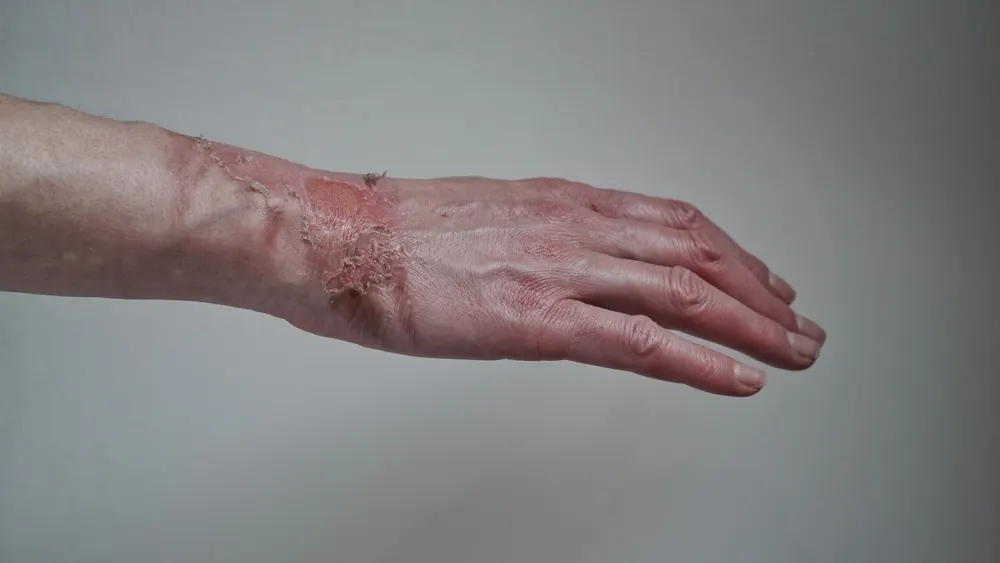
Limited to the outer layer of skin, first-degree burns may heal with minimal intervention. More serious second-degree burns extend further, causing blistering, swelling, and intense pain. When burns destroy multiple layers of tissue, third-degree injuries result, often damaging nerves, muscles, or bone. Fourth-degree burns extend even deeper and are frequently life-threatening.
In severe cases, recovery requires far more than initial treatment. Skin grafts, repeated surgeries, lengthy hospital stays, and ongoing rehabilitation are common. Permanent scarring, nerve damage, restricted mobility, and heightened infection risk often follow.
Smoke inhalation injuries further complicate fire cases. Toxic gases, superheated air, and dense smoke can damage the lungs and airways, sometimes leading to delayed respiratory failure hours or days after the fire.
Where Fire and Burn Accidents Commonly Occur
Although fires can happen anywhere, certain environments present elevated risks. Residential and commercial settings with shared occupancy or aging infrastructure are especially vulnerable.
Common locations include apartment complexes and rental properties, hotels and short-term rentals, workplaces and warehouses, restaurants and commercial kitchens, nursing homes and assisted living facilities, vehicles, and construction sites.
In each of these environments, responsibility for fire safety does not rest with chance. Owners, operators, and managers are required to maintain systems designed to prevent fires and limit injury when fires occur.
Who May Be Liable for Fire Injuries
Liability in fire injury cases often extends beyond a single individual or entity. Responsibility depends on how the fire started and which safety obligations were ignored.
When hazards go unaddressed, property owners and landlords may be held liable. Failures involving electrical systems, blocked exits, disabled alarms, or known fire risks commonly form the basis of claims.
Workplace fires frequently implicate employers. Unsafe practices, inadequate training, or failure to provide protective equipment can expose workers to severe harm.
Manufacturers may also bear responsibility. Defective products that ignite, explode, or fail to shut off safely can give rise to product liability claims.
In other cases, contractors, electricians, and maintenance companies contribute through improper installation or negligent repairs. Government entities responsible for inspections or public housing oversight may also be involved under certain circumstances.
Fire Codes, Building Codes, and Safety Obligations
Embedded throughout Florida law are fire and building codes designed to prevent fires and reduce injuries when they occur. These regulations govern electrical systems, fire alarms, sprinklers, ventilation, emergency exits, and occupancy limits.
Installation alone is not enough. Smoke detectors, suppression systems, and exits must be properly maintained and functional. Blocking exits, disabling alarms, or ignoring known violations can significantly increase liability.
When code violations are present, they often serve as compelling evidence. Even in complex fires with multiple contributing factors, noncompliance with safety regulations may establish negligence.
Fire Safety Failures in Multi-Unit and Commercial Properties
Fire injuries in apartment buildings, hotels, and commercial properties often stem from systemic safety failures rather than isolated mistakes. In these environments, occupants rely entirely on building owners and managers to maintain functional alarms, sprinklers, exits, and evacuation plans.
Problems frequently arise when fire safety systems are outdated, improperly maintained, or intentionally disabled to avoid nuisance alarms or repair costs. Blocked stairwells, locked exit doors, missing fire extinguishers, and nonfunctioning alarm systems can turn a manageable fire into a life-threatening event within minutes.
Crowded conditions further increase danger. When occupancy limits are exceeded or evacuation routes are unclear, residents and guests may become trapped or injured while attempting to escape. In these cases, liability often turns on whether safety systems were properly designed, maintained, and enforced long before the fire ever started.
Injuries Commonly Caused by Fires
Beyond burns, fires frequently cause a wide range of additional injuries.
Survivors may experience a wide range of serious injuries, including:
- Severe burns and permanent scarring
- Smoke inhalation injuries and lung damage
- Traumatic brain injuries from explosions or falls
- Broken bones caused by structural collapse or escape attempts
- Vision loss or hearing damage
Psychological harm is also common. Many survivors experience PTSD, anxiety, sleep disturbances, and other trauma-related effects that persist long after physical injuries have healed.
Because burn injuries involve prolonged pain and intensive treatment, recovery is often physically and emotionally exhausting.
Damages in Fire Injury and Burn Cases
Fire-related injuries frequently lead to extensive financial and personal losses. Civil damages are intended to address both immediate needs and long-term consequences.
Medical expenses may include emergency care, burn unit treatment, surgeries, skin grafts, rehabilitation, medication, and ongoing therapy.
When injuries prevent a return to work or limit future employment, lost income and diminished earning capacity may also be recoverable.
Non-economic damages recognize the human cost of fire injuries. Pain and suffering, emotional distress, disfigurement, and loss of enjoyment of life often form a substantial part of these claims, particularly when visible scarring or permanent disability is involved.
In fatal fire cases, wrongful death damages may be available to surviving family members. In cases involving repeated code violations or reckless disregard for safety, punitive damages may also apply.
Why Fire Injury Cases Are Complex
Complexity is a defining feature of fire injury litigation. Determining the origin and cause of a fire often requires forensic investigation, expert analysis, and technical review of electrical or mechanical systems.
Because fires can destroy critical evidence, early investigation is essential. Cleanup and repairs may unintentionally eliminate proof of defects or code violations.
Insurance coverage further complicates matters. Multiple policies may apply, and insurers frequently dispute causation, coverage, or the extent of damages.
Successfully establishing liability requires a clear link between safety failures and the injuries suffered—often through detailed expert testimony.
What to Do After a Fire or Burn Injury
After a fire, immediate safety and medical care are the priority. Burns and smoke inhalation injuries should be evaluated promptly, even when symptoms appear mild or delayed.
Reporting the incident to the fire authorities is also important. Official reports may later play a key role in determining how the fire started.
If circumstances allow, documenting the scene can be invaluable. Photographs of damaged property, burn injuries, smoke detectors, exits, and surrounding conditions may preserve critical evidence.
Damaged products or equipment should not be discarded until they can be examined. Discussions with insurance companies should be avoided until legal advice is obtained.
How We Handle Fire Injury Cases
Thorough investigation sits at the core of effective fire injury representation. Buckman, Buckman & Castellano, P.A., works to determine how the fire occurred and which parties failed to meet their safety obligations.
Collaboration with fire investigators, engineers, medical professionals, and safety experts allows claims to be built on objective evidence rather than speculation.
While clients focus on treatment and recovery, the legal process is managed on their behalf. Compensation efforts address the full impact of the injury—not only immediate medical costs.
Throughout the case, communication and careful case management remain central.
Responsibility After a Preventable Fire
Preventable fires do not happen without cause. Ignored warnings, unsafe conditions, and defective products often lie at the center of serious burn injuries.
Through civil claims, injured individuals and families can seek compensation, expose dangerous practices, and encourage compliance with fire safety standards.
For those injured in a fire or burn accident in Sarasota or elsewhere in Florida, Buckman, Buckman & Castellano, P.A. is available for a confidential consultation to explain legal options and next steps.
Fire injuries alter lives permanently. Ensuring responsibility helps reduce the chance that similar tragedies occur again.
Contact us for a free consultation
We work with clients in Sarasota, Venice, Bradenton, North Port, Tampa, Orlando, Jacksonville and throughout Florida. Get in touch with us today and tell us what happened to you. We will review your case for free and with no further obligation from you.
Buckman, Buckman & Castellano, P.A.