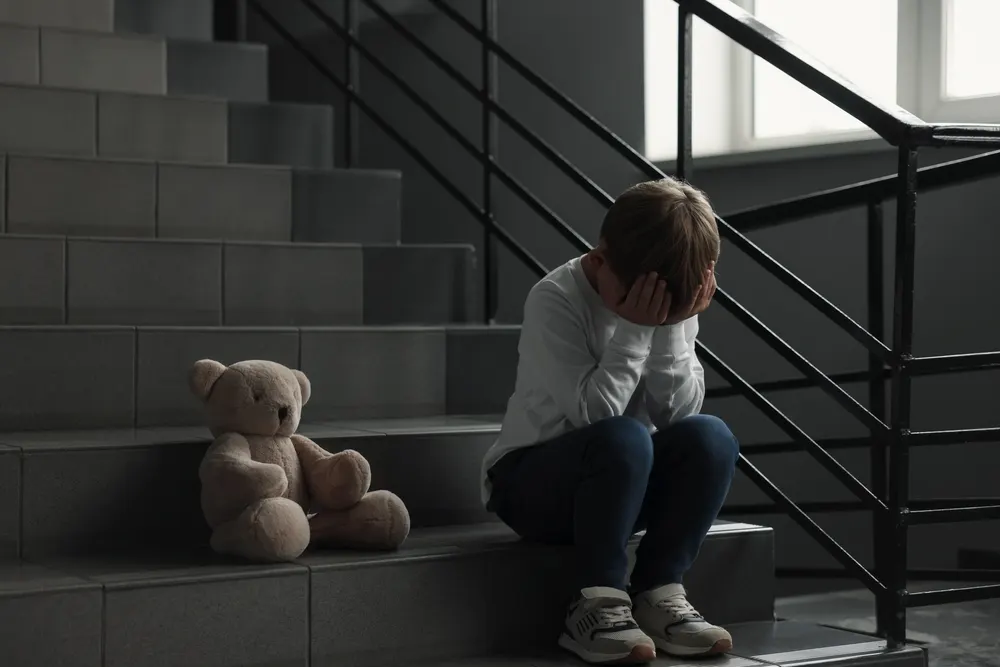
Families entrust institutions with their children every day. Schools, churches, youth organizations, residential programs, and childcare facilities are given authority over minors and responsibility for their safety. When abuse occurs in these settings, the damage extends far beyond the individual act and reflects a breakdown in the systems meant to protect children.
Institutional child abuse occurs when a child is harmed while under the supervision, care, or authority of an organization. Sexual abuse, physical abuse, and severe emotional harm are the most common forms. These incidents rarely occur in isolation. They often emerge in environments where safeguards are weak, warning signs are ignored, or leadership fails to intervene.
Buckman, Buckman & Castellano, P.A., represents survivors of institutional child abuse in civil claims throughout Sarasota and across Florida. Our work centers on holding organizations responsible when their decisions, omissions, or practices allow abuse to occur or continue.
What Is Institutional Child Abuse?
Institutional abuse involves misconduct that occurs in settings where adults hold power over children because of their role within an organization. Abuse may be committed by employees, volunteers, clergy, coaches, teachers, counselors, or administrators. In other cases, the harm results from failures in supervision, reporting, or oversight.
Sexual abuse may include assault, molestation, exploitation, grooming behavior, or coercion. Physical abuse can involve excessive discipline, restraint, or violence. Emotional abuse often takes the form of intimidation, isolation, humiliation, or threats that leave lasting psychological effects.
Civil cases focus on how abuse became possible. The analysis examines whether the organization failed to protect children from risks it knew about or should have anticipated.
Common Institutions Where Abuse Occurs
Institutional child abuse can arise in many settings where children are placed under adult authority, including:
- Schools and school districts
- Churches and faith-based organizations
- Youth sports leagues and athletic programs
- Summer camps and recreational programs
- Daycare centers and childcare facilities
- Group homes, residential treatment centers, and juvenile programs
- Medical, therapeutic, or behavioral health facilities
Each of these institutions carries a duty to provide a safe environment for the children in its care.

How Institutions Enable Abuse
Abuse within institutions often develops in predictable ways. Warning signs may appear long before misconduct is formally reported, yet meaningful action is delayed or avoided.
Failures frequently begin with inadequate screening or background checks. Prior complaints may be minimized, mishandled, or dismissed. In some cases, individuals who raise concerns are discouraged from pursuing them further.
Supervision gaps also play a significant role. Unrestricted one-on-one access, poorly monitored activities, and lax enforcement of safety policies create opportunities for abuse. When leadership does not establish or enforce boundaries, the risk increases.
Patterns and Warning Signs in Institutional Abuse
Institutional abuse commonly follows identifiable patterns. Environments where authority goes unquestioned and oversight is inconsistent tend to allow misconduct to persist.
Certain behaviors often precede abuse. Excessive one-on-one contact, resistance to supervision, favoritism toward specific children, and private communication outside approved channels are frequently overlooked.
Institutions that fail to train staff to recognize these behaviors increase the likelihood of harm.
Children may also display indicators that are missed or misinterpreted. Behavioral changes, withdrawal, fear of specific individuals, academic decline, or unexplained physical symptoms can all signal abuse.
When these indicators are not taken seriously, opportunities to intervene are lost.
Legal Duties Owed to Children Under Florida Law
Florida law imposes heightened duties on institutions responsible for children. Organizations must take reasonable steps to protect minors from foreseeable harm, including abuse by employees, volunteers, or others acting under institutional authority.
These responsibilities often include proper screening, training on child safety, adequate supervision, prompt investigation of complaints, and mandatory reporting of suspected abuse. When an institution fails to meet these obligations and a child is harmed, civil liability may follow.
Mandatory Reporting Failures and Institutional Silence
Florida law requires certain professionals and institutions to report suspected child abuse. Teachers, administrators, healthcare providers, counselors, and others who work with children are legally obligated to act when warning signs arise.
Mandatory reporting failures often occur when:
- Staff observe concerning behavior or receive disclosures from children but fail to report them
- Inadequate training leaves employees unsure of their reporting obligations
- Leadership pressures staff to handle concerns internally or avoid outside scrutiny
- Complaints are minimized, delayed, or dismissed rather than escalated
- Incident records are incomplete, altered, or never formally documented
Institutional silence can be as damaging as direct abuse. When reporting obligations are ignored, abusers may remain in positions of authority and additional children are placed at risk. Civil litigation allows courts to examine what was known, when it was known, and how institutions responded when the law required action.
Civil Claims in Institutional Abuse Cases
Survivors of institutional child abuse may have multiple civil claims available, depending on the circumstances.
Claims may be brought against individual abusers for sexual battery, assault, battery, or intentional infliction of emotional distress. Institutions themselves may be liable for negligent hiring, retention, supervision, or failure to respond to known risks.
In some cases, organizations may also be held vicariously liable for abuse committed by employees or agents acting within the scope of their role. This reflects the authority institutions grant and the responsibility that accompanies it.
Sexual Abuse and Delayed Disclosure
Delayed disclosure is common in institutional abuse cases. Children may fear disbelief, retaliation, punishment, or social consequences if they speak out. Abusers often rely on authority, trust, or manipulation to prevent disclosure.
Many survivors do not fully process or disclose abuse until adulthood. Trauma, shame, and institutional pressure frequently contribute to these delays. Florida law accounts for this reality and provides extended timeframes for survivors of childhood sexual abuse to pursue civil claims.
Damages in Institutional Child Abuse Cases
Institutional child abuse often causes harm that extends far beyond the initial incident. Civil damages are intended to address both immediate injuries and the long-term effects abuse can have on a survivor’s life.
Recoverable damages may include:
- Mental health treatment, such as therapy, psychiatric care, medication, and trauma-related treatment
- Educational disruption, including delayed development or lost academic opportunities
- Long-term personal impact, affecting relationships, employment, and overall quality of life
- Economic losses, such as diminished earning capacity or loss of enjoyment of life
In cases involving severe misconduct or intentional concealment, punitive damages may also be available to address especially serious institutional failures.

Why Institutional Abuse Cases Are Challenging
These cases involve complex factual and legal issues. Abuse may have occurred years earlier, records may be incomplete, and witnesses may be difficult to locate. Survivors may experience fragmented memories due to age or trauma at the time of the abuse.
Institutions often defend aggressively. Responsibility may be denied, blame shifted, or risks characterized as unforeseeable. Navigating these defenses requires careful investigation and strategic litigation.
How We Approach Institutional Abuse Cases
Institutional abuse cases require a clear examination of how organizations operate and where safeguards failed. These matters focus on policies, supervision practices, internal responses to complaints, and decisions that allow abuse to persist.
Buckman, Buckman & Castellano, P.A., investigates institutional conduct alongside individual actions. We review records, identify prior warnings, and analyze whether protective measures were followed or ignored.
Survivors control how and when they engage in the process. Our role is to explain options, manage procedure, and pursue accountability through deliberate, informed steps.
Responsibility for Institutional Failure
Abuse within institutions is never the fault of the child. When organizations fail to protect those in their care, civil law provides a path to accountability.
If you or someone you love experienced abuse in an institutional setting in Sarasota or elsewhere in Florida, Buckman, Buckman & Castellano, P.A., is available for a confidential consultation. We will explain your options and help you determine how to proceed.
Children deserve safety and protection. When institutions fail, responsibility must follow.
Contact us for a free consultation
We work with clients in Sarasota, Venice, Bradenton, North Port, Tampa, Orlando, Jacksonville and throughout Florida. Get in touch with us today and tell us what happened to you. We will review your case for free and with no further obligation from you.
Buckman, Buckman & Castellano, P.A.