
Across Sarasota’s streets and highways, delivery trucks have become a constant presence. Box trucks, package vans, refrigerated vehicles, and food delivery vehicles move through residential neighborhoods and commercial corridors from early morning until late at night. When crashes involve these vehicles, the consequences are often severe.
Delivery trucks behave very differently from passenger vehicles. Their size and weight increase stopping distances, limit visibility, and make wide turns and curbside stops more dangerous. Tight delivery schedules and high-volume routes further reduce safety margins, allowing small errors to escalate quickly into serious accidents.
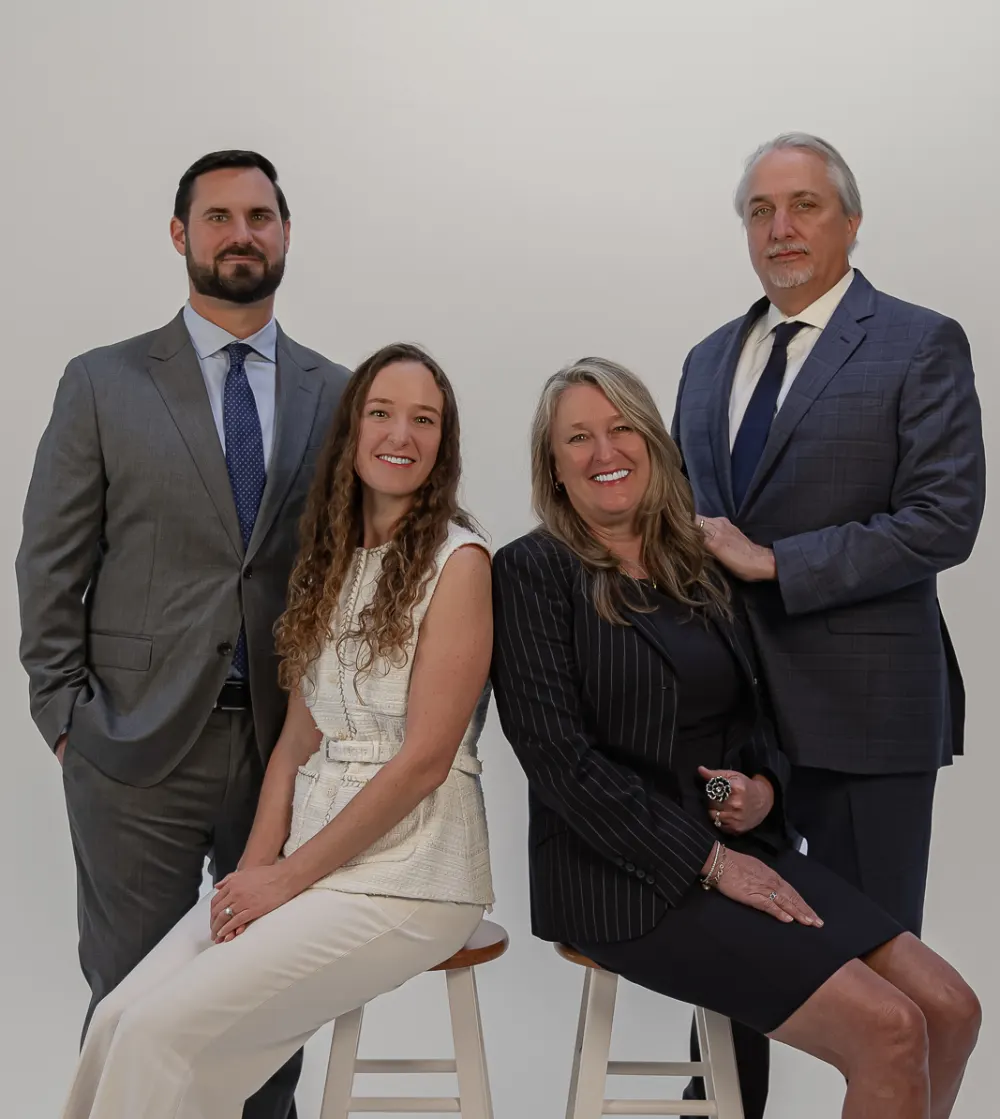
Buckman, Buckman & Castellano, P.A., represents individuals injured in delivery truck accidents throughout Sarasota and across Florida. Our work focuses on uncovering how the crash occurred, identifying every responsible party, and pursuing civil claims that reflect the full extent of harm suffered.
Why Delivery Truck Accidents Are Different
Unlike passenger vehicles, delivery trucks are built primarily to carry cargo, not to protect occupants or surrounding traffic. Many lack the advanced safety systems now standard in private automobiles, and even newer models present significant handling challenges.
Vehicle mass alters braking performance and maneuverability. Blind spots expand, turning radii widen, and sudden lane changes become far more dangerous. Frequent stops, backing maneuvers, and operation in residential areas further complicate safe driving.
These factors shape both injury severity and legal analysis, setting delivery truck cases apart from ordinary car accidents.
Common Causes of Delivery Truck Accidents
These factors affect not only how serious injuries can be, but also how delivery truck accident cases are evaluated legally.
Key differences include:
- Greater vehicle size and weight, increasing impact force and stopping distance
- Larger blind spots and wider turning radii
- Frequent curbside stops and backing maneuvers in active traffic areas
- Operational pressures tied to delivery schedules and route demands
Together, these factors set delivery truck accidents apart from ordinary car crashes and shape how liability and damages are assessed.

Types of Delivery Truck Accidents
Delivery truck crashes take many forms, each presenting distinct hazards.
Rear-end collisions occur frequently because vehicle mass extends stopping distances. Side-impact crashes often result from wide turns or unsafe lane changes in congested traffic.
Pedestrians and cyclists face heightened danger in residential neighborhoods where delivery vehicles make frequent stops. Backing incidents commonly occur in driveways, parking lots, and loading zones when drivers lack clear visibility.
Rollovers may follow excessive speed, uneven cargo distribution, or abrupt steering. In certain configurations, jackknife incidents also occur.
Even at relatively low speeds, delivery truck crashes can cause extensive damage and serious injury.
Who May Be Liable in a Delivery Truck Accident
Responsibility for a delivery truck accident rarely rests with the driver alone. Determining liability requires close examination of employment relationships, ownership, and operational control.
Drivers may be personally liable for unsafe conduct such as distraction, fatigue, impairment, or traffic violations. Vehicle owners may share responsibility when they allow unsafe operation or fail to maintain equipment.
Delivery companies often face scrutiny for hiring practices, training standards, scheduling demands, and enforcement of safety policies.
Independent-contractor labels do not automatically shield companies from liability. Courts examine how work actually functions, including control over routes, schedules, equipment, and performance expectations.
Manufacturers and maintenance providers may also be liable when defective components or negligent repairs contribute to a crash.
Identifying all responsible parties is essential to securing full compensation.
Federal and Florida Regulations
Delivery truck operations are governed by Florida traffic laws and, in some cases, federal safety regulations depending on vehicle size and use. These rules address maintenance, inspections, lighting, braking systems, cargo securement, and driver hours.
Florida law also imposes duties related to speed, following distance, pedestrian right-of-way, and safe operation in residential zones. Regulatory violations often provide strong evidence of negligence.
Injuries Commonly Seen in Delivery Truck Accidents
Because of vehicle mass and force transfer, delivery truck collisions frequently cause severe injuries.
Common injuries include:
- Traumatic brain injuries
- Spinal cord injuries and paralysis
- Broken bones and crush injuries
- Internal organ damage
- Severe lacerations or amputations
- Burns from fires or explosions
- Fatal injuries
Occupants of smaller vehicles, pedestrians, and cyclists face particularly high risk. Many survivors also experience lasting psychological trauma, including PTSD and anxiety.
Damages Available in Delivery Truck Accident Cases
Delivery truck accidents often leave victims facing substantial losses. Damages may include medical care, surgery, rehabilitation, long-term treatment, and assistive devices. Lost income and reduced earning capacity may be recoverable when injuries interfere with work.
Non-economic damages address pain and suffering, emotional distress, disfigurement, and loss of enjoyment of life. When a crash results in death, surviving family members may pursue wrongful-death damages.
In cases involving reckless conduct or repeated safety violations, punitive damages may also be available.
Why Delivery Truck Accident Cases Are Complex
Delivery truck litigation often involves layered liability and aggressive defense strategies. Corporate defendants frequently mobilize insurers, investigators, and legal teams immediately after a crash.
Evidence can disappear quickly. Electronic logs, GPS data, delivery records, and onboard systems may be altered or overwritten without prompt preservation.
Insurance coverage is often substantial but heavily contested. Multiple policies may apply, and disputes over coverage limits are common.
Establishing liability typically requires accident reconstruction, regulatory analysis, and close examination of company practices.
Surveillance Footage, Telematics, and Digital Evidence
Modern delivery trucks generate extensive digital records. Onboard cameras may capture driver behavior, traffic conditions, and events leading up to a collision. GPS data, route logs, and telematics systems can reveal speed, braking patterns, stop durations, and schedule pressure.
The delivery company usually controls this information. Without swift legal action, critical data may be overwritten, deleted, or selectively produced. Early preservation often determines whether a case rests on speculation or concrete proof.
Digital evidence frequently exposes gaps between official explanations and what actually occurred.
What to Do After a Delivery Truck Accident
After a delivery truck accident, your safety and health come first. Taking a few careful steps early can help protect both your well-being and your legal rights.
If you are able, consider the following:
- Seek medical evaluation immediately, even if injuries do not seem serious
- Contact law enforcement and ensure a crash report is filed
- Document the scene, including vehicle damage, company logos, license numbers, cargo, skid marks, and roadway conditions
- Collect witness contact information from anyone who saw the crash
- Avoid speaking with delivery companies or insurers before receiving legal guidance
Early legal advice can help preserve evidence, prevent missteps, and ensure your claim is handled correctly from the outset.

How We Handle Delivery Truck Accident Cases
Effective delivery truck claims begin with swift investigation. Buckman, Buckman & Castellano, P.A., moves quickly to preserve evidence, identify responsible parties, and examine the operational decisions that led to the crash.
Accident reconstruction specialists, trucking experts, and medical professionals support each case with detailed analysis. This approach allows liability to rest on facts, not assumptions.
While our clients focus on recovery, we manage the legal process with clear communication and strategic planning at every stage.
Responsibility After a Preventable Delivery Truck Crash
Serious delivery truck accidents rarely occur without warning signs. Unsafe driving expectations, inadequate training, deferred maintenance, and pressure to meet unrealistic schedules often exist long before a collision.
Civil claims allow injured people to demand answers, recover compensation, and force companies to confront unsafe practices. If you were injured in a delivery truck accident in Sarasota or elsewhere in Florida, Buckman, Buckman & Castellano, P.A., offers confidential consultations to review what happened and explain your options.
Delivery deadlines never justify preventable harm. When negligence causes injury, the law provides a path to accountability.
Contact us for a free consultation
We work with clients in Sarasota, Venice, Bradenton, North Port, Tampa, Orlando, Jacksonville and throughout Florida. Get in touch with us today and tell us what happened to you. We will review your case for free and with no further obligation from you.
Buckman, Buckman & Castellano, P.A.