
The foster care system exists to protect children when their own homes are unsafe. When that system fails, the harm can be devastating. Children placed in foster care are among the most vulnerable members of society, relying entirely on caregivers, agencies, and the state to keep them safe. Abuse within foster care represents a profound betrayal of that trust.
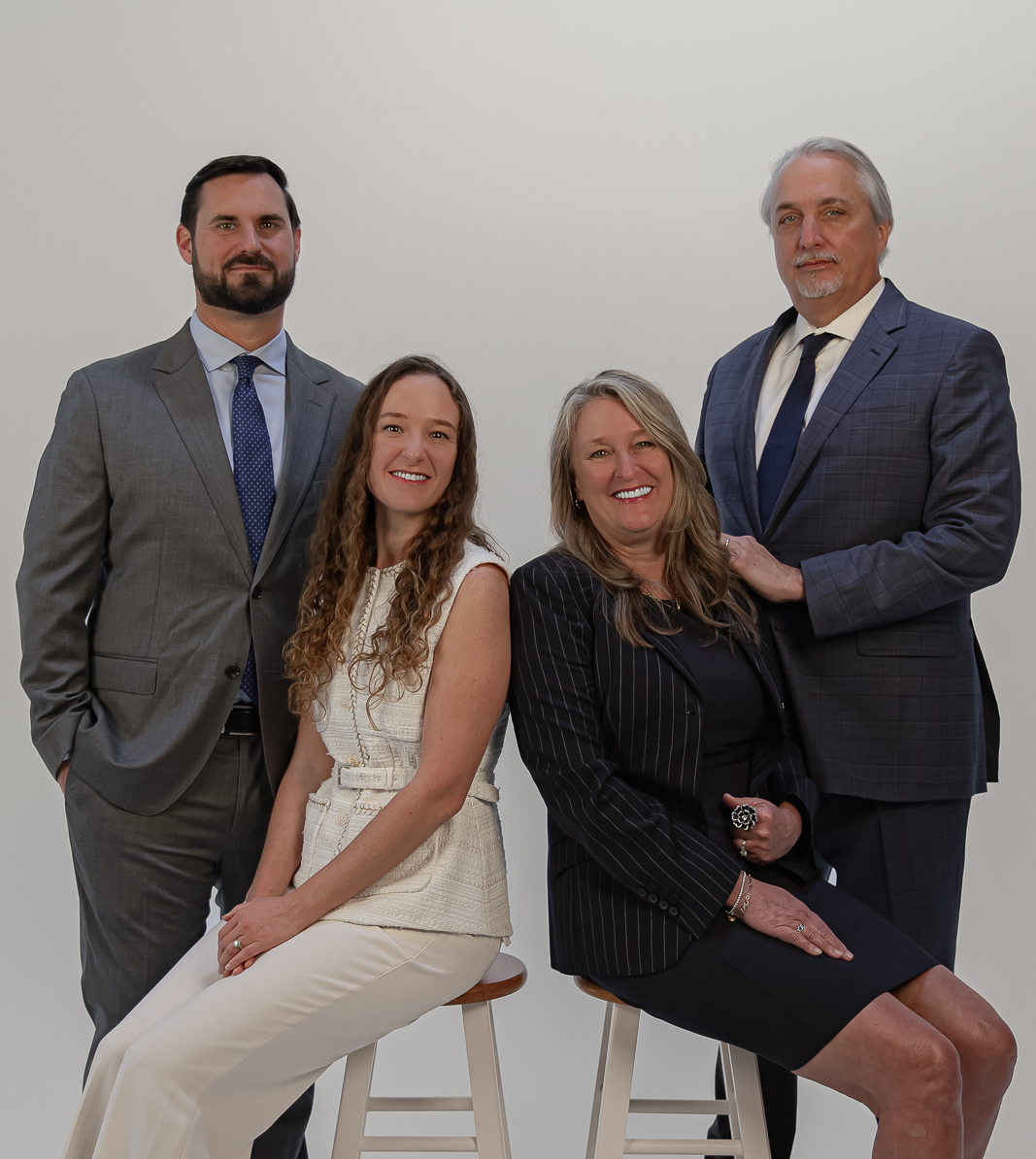
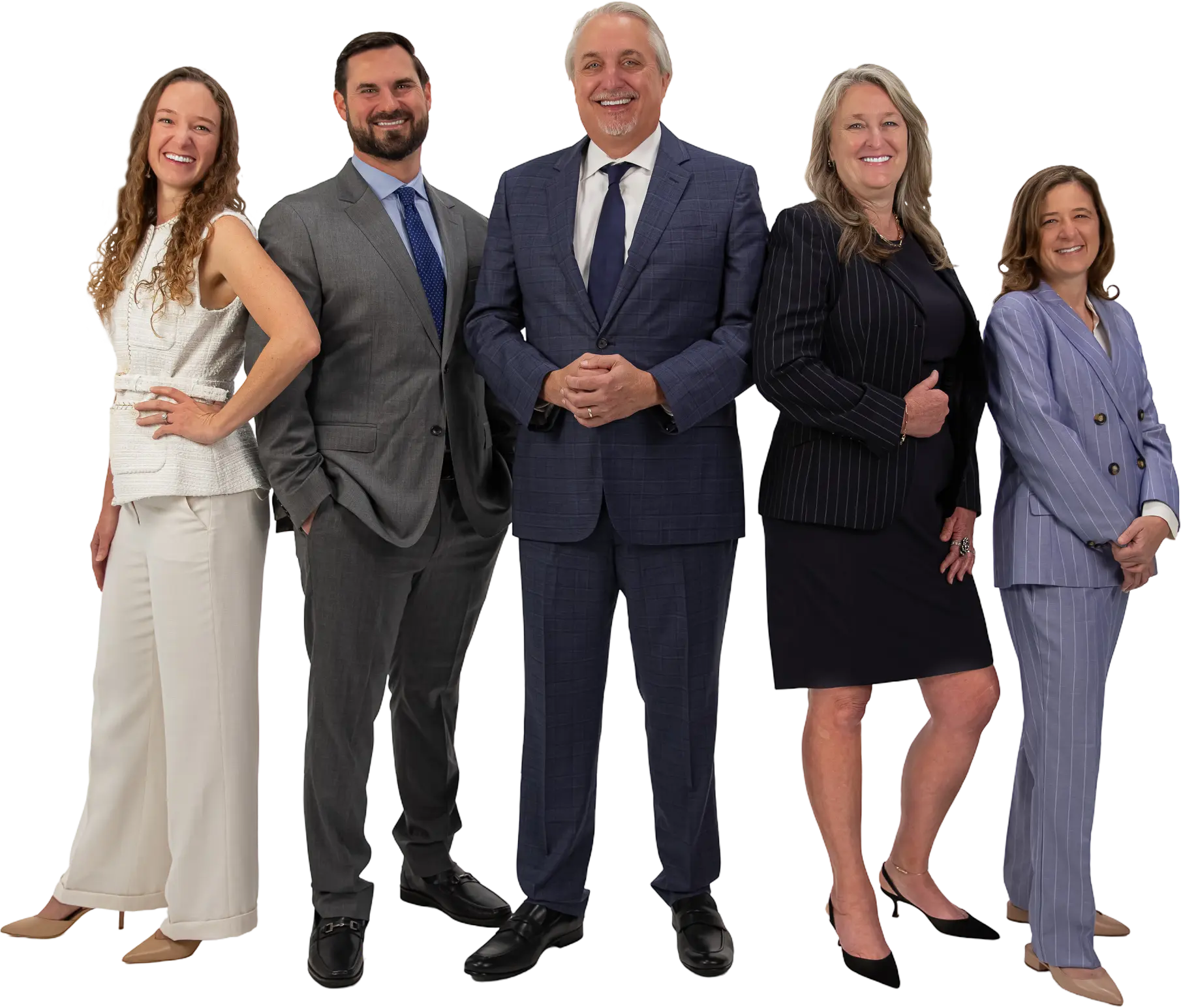
Buckman, Buckman & Castellano, P.A., represents survivors of foster care abuse and neglect in civil claims throughout Sarasota and across Florida. Our work focuses on holding foster parents, private agencies, and government entities accountable when children are harmed under their supervision.
Through civil litigation, survivors can seek compensation for the harm they endured and force systemic changes that protect other children from similar abuse.
Understanding Foster Care Abuse
Foster care abuse extends far beyond obvious physical violence. It includes any act, or failure to act, that causes harm to a child placed in care. Abuse may be committed by foster parents, relatives, staff members, or other children in the home. In many cases, the harm results from neglect, poor supervision, or deliberate indifference by agencies responsible for oversight.
Abuse in foster care may include:
- Physical abuse, such as hitting, shaking, burning, excessive punishment, or restraint
- Sexual abuse, including assault, molestation, exploitation, or exposure to sexual conduct
- Emotional abuse, such as intimidation, humiliation, isolation, threats, or chronic verbal degradation
Neglect is one of the most common and dangerous forms of harm. Failing to provide adequate food, medical care, supervision, education, or safe living conditions can cause lasting damage, particularly for children already coping with trauma.
Why Children in Foster Care Are Especially Vulnerable
Many children enter foster care after experiencing abuse, neglect, domestic violence, substance abuse in the home, or abandonment. These experiences can make it difficult for children to recognize abuse, report it, or trust that adults will intervene.
Foster children also face significant power imbalances. They depend on caregivers for housing, food, schooling, and medical care. Fear of retaliation, punishment, or removal from a placement may prevent children from speaking up.
Oversight failures further increase risk. Caseworkers may be overburdened, placements inadequately screened, or warning signs overlooked. When agencies fail to monitor homes or respond to complaints, abuse can continue unchecked for long periods of time.

Common Settings Where Foster Care Abuse Occurs
Abuse does not occur in a single type of placement. It can happen across the foster care system, including:
- Non-relative foster homes, where children are placed with licensed caregivers they do not know
- Kinship placements, involving relatives or family friends who may not receive adequate screening or support
- Group homes and residential facilities, where staffing shortages and poor supervision increase risk
- Emergency shelters, where children may be placed temporarily with minimal oversight
- Placements involving other foster children, where inadequate supervision allows peer-on-peer abuse
In many cases, harm results not only from individual misconduct but from systemic failures that allow unsafe placements to continue.
Legal Duties Owed to Foster Children
Florida law imposes clear duties on those responsible for children in foster care. These obligations extend beyond foster parents to include private agencies, contractors, and state entities involved in placement and supervision.
Agencies are required to conduct background checks, properly screen caregivers, investigate complaints, monitor placements, and take swift action when concerns arise. Foster parents must provide safe, stable environments free from abuse and neglect. When these duties are breached, and a child is harmed, civil liability may follow.
Importantly, the foster care system’s involvement does not shield wrongdoers from accountability. Civil courts provide a critical avenue for survivors to seek justice when criminal prosecutions fail or never occur.
Civil Claims Arising From Foster Care Abuse
Survivors of foster care abuse may have several legal avenues available, depending on the facts of the case.
Claims Against Foster Parents or Caregivers
When abuse is committed directly by a foster parent, relative caregiver, or household member, survivors may pursue civil claims for assault, battery, sexual abuse, and intentional infliction of emotional distress. These cases focus on the direct harm caused by the abuser.
Claims Against Agencies and Institutions
Private foster care agencies and contractors can be held liable for negligent hiring, retention, supervision, or placement decisions. Failing to investigate complaints, ignoring prior allegations, or placing children in known unsafe environments may constitute negligence or gross negligence.
Claims Against Government Entities
In certain cases, state or local government agencies may also be liable for foster care abuse. While governmental immunity issues can arise, Florida law allows claims in many circumstances, particularly when agencies act negligently or violate statutory duties designed to protect children.
These cases require careful legal analysis, experienced investigation, and a clear understanding of the complex foster care system.
Sexual Abuse in Foster Care
Sexual abuse in foster care is particularly devastating. Survivors may be abused by foster parents, relatives, staff, or other children in the home. The secrecy surrounding these cases, combined with fear and power imbalances, often delays disclosure for years.
Delayed reporting does not diminish the validity of these claims. Trauma, shame, manipulation by abusers, and lack of safe adults frequently prevent children from coming forward.
Florida law recognizes these realities and provides extended timeframes for survivors of childhood sexual abuse to pursue civil claims.
Damages in Foster Care Abuse Cases
Abuse in foster care often causes lifelong harm. Civil damages are intended to address both economic and non-economic losses, including:
- Medical and mental health treatment
- Long-term therapy and trauma care
- Educational disruption and lost opportunities
- Reduced earning capacity in adulthood
- Emotional distress, pain, and loss of quality of life
In particularly serious cases, punitive damages may also be available.
Why Foster Care Abuse Cases Are Challenging
These cases present unique legal and evidentiary challenges. Abuse may have occurred years earlier, records may be incomplete, and witnesses may be difficult to locate. Survivors may struggle with fragmented memories due to trauma or childhood age at the time of abuse.
Institutions often opt for aggressive defense strategies. Agencies may deny responsibility, shift blame, or argue that abuse was unforeseeable. Government defendants may invoke immunity defenses or procedural barriers. Overcoming these obstacles requires detailed investigation and strategic litigation.
Despite these challenges, civil cases play a critical role in exposing systemic failures and forcing reform.
What to Do If You Suspect Foster Care Abuse
Taking thoughtful, informed steps can help you understand your rights without forcing you to relive painful experiences before you are ready.
Helpful early steps may include:
- Documenting what you remember, including dates, locations, names of caregivers, agencies involved, and any reports or complaints that were made
- Preserving available records, such as medical files, school records, placement documents, or communications with caseworkers
- Identifying potential witnesses, including siblings, other foster children, teachers, doctors, or counselors
- Avoiding direct contact with abusers or agencies, which is not required before speaking with an attorney
- Speaking with an experienced attorney, who can help evaluate whether civil claims may still be available under Florida law
You do not need to have every detail or piece of evidence to seek legal guidance. A confidential conversation can help clarify your options and next steps, at your pace and on your terms.

How We Help Foster Care Abuse Survivors
Representing survivors of foster care abuse requires patience, experience, and a trauma-informed approach. Buckman, Buckman & Castellano, P.A., handles these cases with the seriousness and care they demand.
We conduct thorough investigations, review agency records and placement histories, and work with experts in child welfare, psychology, and institutional practices. We also structure representation around each survivor’s needs, with an emphasis on minimizing retraumatization while pursuing accountability.
Confidentiality remains a priority throughout the process, and legal tools are used whenever possible to protect privacy.
A Way Forward After Foster Care Abuse
Abuse in foster care is a profound injustice, but accountability is possible. Civil litigation offers survivors a way to be heard, to obtain compensation, and to force meaningful change within systems meant to protect children.
If you or someone you love experienced abuse in foster care in Sarasota or elsewhere in Florida, Buckman, Buckman & Castellano, P.A., offers confidential consultations. We listen with respect, explain your legal options, and help you decide how to move forward.
What happened was not your fault. You deserved safety and care, and you deserve justice now.
Contact us for a free consultation
We work with clients in Sarasota, Venice, Bradenton, North Port, Tampa, Orlando, Jacksonville and throughout Florida. Get in touch with us today and tell us what happened to you. We will review your case for free and with no further obligation from you.
Buckman, Buckman & Castellano, P.A.