Living Wills in Sarasota
Most people spend more time planning vacations than planning for medical incapacity. We research hotels, compare flight prices, plan out activities—but we avoid thinking about what happens if we end up in a hospital, unable to tell doctors what we want. The result? Families gathered around hospital beds, arguing about whether to continue life support. Each person may be certain they know what you would want, but none of them are actually sure. Meanwhile, the health care professionals are in limbo, waiting for decisions, while your loved ones face impossible choices and your life hangs in the balance.
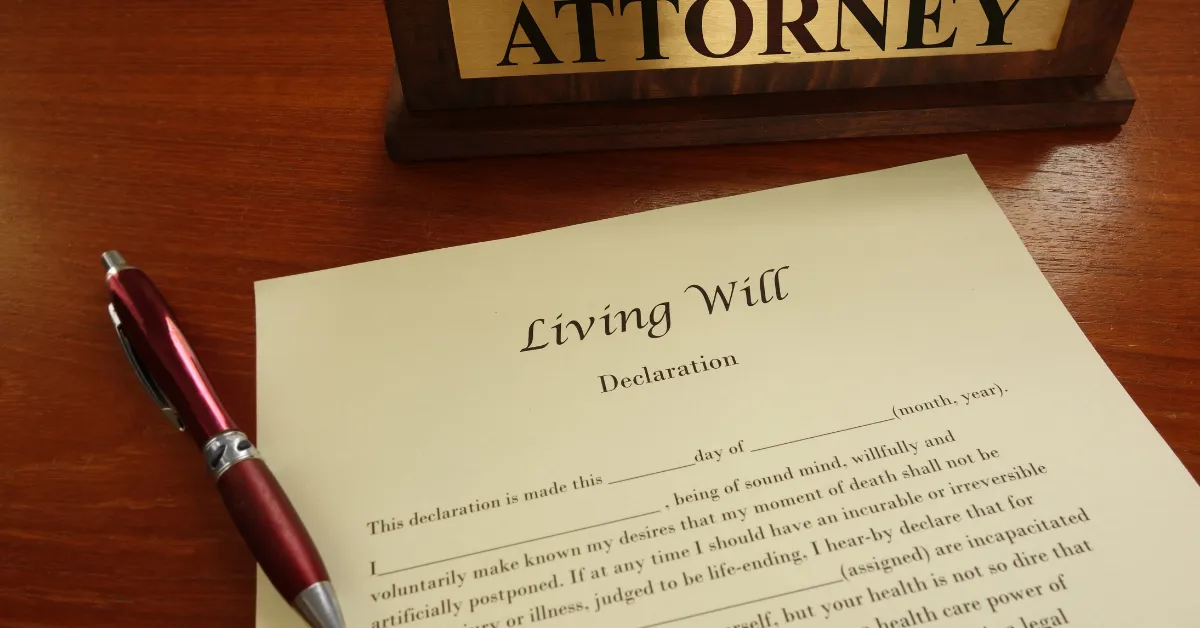
A living will answers these questions before a crisis hits. It’s a legal document that tells doctors and family members what medical treatments you do and don’t want if you become unable to communicate. Without one, your family must guess at your wishes during the most stressful moments of their lives, often disagreeing with each other and second-guessing every decision.
At Buckman, Buckman & Castellano, P.A., we help Sarasota residents create living wills that clearly express their healthcare wishes. We make sure these documents comply with Florida law and work together with other advance directives to give you control over your medical care even when you can’t speak for yourself.
What a Living Will Does
Living wills address end-of-life medical decisions specifically. They take effect only when you’re terminally ill, in a persistent vegetative state, or in an end-stage condition with no reasonable chance of recovery. The document informs doctors of your precise wishes: whether you want life-prolonging procedures continued or withheld under these circumstances.
This isn’t about routine medical care or temporary conditions. If you’re in a car accident and doctors expect you to recover, your living will doesn’t apply. It only comes into play when your condition is irreversible, and death is imminent without artificial life support.
The choices you make in a living will typically address:
- CPR if your heart stops—cardiopulmonary resuscitation can restart your heart, but in end-stage conditions, it often causes rib fractures and other trauma without improving outcomes
- Mechanical ventilation if you can’t breathe on your own—ventilators keep oxygen flowing to your body, but being on a ventilator long-term is uncomfortable and often means you can’t communicate
- Artificial nutrition and hydration through feeding tubes if you can’t eat or drink—these interventions can keep you alive indefinitely, but they don’t reverse terminal conditions
- Dialysis if your kidneys fail—dialysis filters waste from blood when kidneys can’t, but it’s an intensive ongoing treatment that doesn’t address an underlying terminal illness
- Antibiotics for infections that develop—in end-stage conditions, treating infections may prolong dying rather than promote meaningful recovery
The key is making these decisions in advance, when you can think clearly and discuss options with your loved ones.
How Living Wills Differ from Healthcare Powers of Attorney
Living wills and healthcare powers of attorney serve different but complementary purposes.
A healthcare power of attorney designates someone to make medical decisions for you when you can’t make them yourself. This applies to any situation where you’re incapacitated, such as surgery requiring anesthesia, serious accidents, strokes, dementia, or any other condition preventing you from communicating. Your healthcare agent makes decisions about treatments, procedures, medications, and care facilities based on what they believe you would want.
A living will, on the other hand, makes specific decisions in advance about end-of-life care. It doesn’t designate a decision-maker, but rather makes the decisions itself for defined circumstances. When those circumstances arise, doctors follow your living will instructions rather than asking someone else to decide.
You should have both documents. The healthcare power of attorney handles the broad range of medical decisions that might arise, while a living will addresses the specific end-of-life scenarios where emotions run highest and disagreements most often occur.

Why Living Wills Matter
Families facing end-of-life decisions without guidance often experience terrible conflict and guilt. Adult children can disagree about what their parents would want. Spouses might second-guess every choice. There are cases in which siblings stop speaking to each other. For everyone involved, the stress of watching someone they love suffer gets compounded by uncertainty about whether they’re making the right calls.
On the medical side, doctors’ hands are tied. Without clear instructions, they often default to doing everything possible to keep patients alive, even when those treatments only prolong suffering without improving outcomes. Know that medical technology can maintain basic body functions long after meaningful life has ended.
The benefit of having a living will in place is preventing just such scenarios.
Common Questions About Living Wills
Does a living will mean doctors will give up on me?
No. Living wills only apply to end-stage situations with no reasonable chance of recovery. If treatment could help you recover or improve your condition, doctors will provide it regardless of what your living will says.
Can I change my living will after I create it?
Yes. You can revoke or modify your living will at any time by creating a new one, destroying the old one, or telling your doctor verbally that you’ve changed your wishes.
What if my family disagrees with my living will?
Your living will is legally binding. Doctors must follow its instructions even if family members object. That’s precisely why creating one matters; it prevents family disagreements from affecting your care.
Do I need a lawyer to create a living will?
Florida law doesn’t require attorney involvement, but working with an attorney ensures your document is properly executed, clearly written, and coordinated with your other advance directives.
What happens if I don’t have a living will?
Your healthcare agent (if you designated one) will make end-of-life decisions for you. If you don’t have a healthcare agent, Florida law designates family members in a specific order to make these decisions. Without your guidance, those loved ones must guess what you would want. As you can imagine, that can cause difficulty, disagreements, and other avoidable problems.
Creating Your Living Will
Creating a living will involves several important steps.
Think carefully about your values and beliefs regarding end-of-life care. What makes life worth living for you? Under what circumstances would you want treatment to continue versus allowing natural death? These are deeply personal questions without right or wrong answers.
Another crucial step is discussing your wishes with family members, especially the person you designate as healthcare agent. These conversations can be difficult, but they’re far easier to have now than during a medical crisis—when you might not be able to have any conversations.
It’s also important to work with an attorney who understands Florida’s requirements and can draft documents that clearly express your wishes while meeting all legal formalities. Generic forms downloaded from the internet may not adequately address your specific situation or comply with Florida law.
Provide copies to your healthcare agent, your primary care physician, and family members who might be involved in your care. Keep the original in a place where it can be found quickly if needed, rather than in a safe deposit box that might be inaccessible during emergencies.
When to Review and Update Your Living Will
Naturally, life changes can affect your end-of-life care preferences. Review your living will after any of the following scenarios.
- Marriage or divorce changes who you trust to make decisions and who you want involved in your care
- Birth of children or grandchildren might change your perspective on life-sustaining treatment and how long you’d want to fight for recovery
- Serious illness or health scares often prompt people to reconsider what quality of life means to them
- Deaths of family members, especially after watching them go through end-of-life care, frequently cause people to refine their own wishes
- Changes in religious or philosophical beliefs can shift your views on medical intervention and end-of-life care
- Major medical advances that create new treatment options might change what you’d want doctors to try before withdrawing life support
How We Help with Living Wills
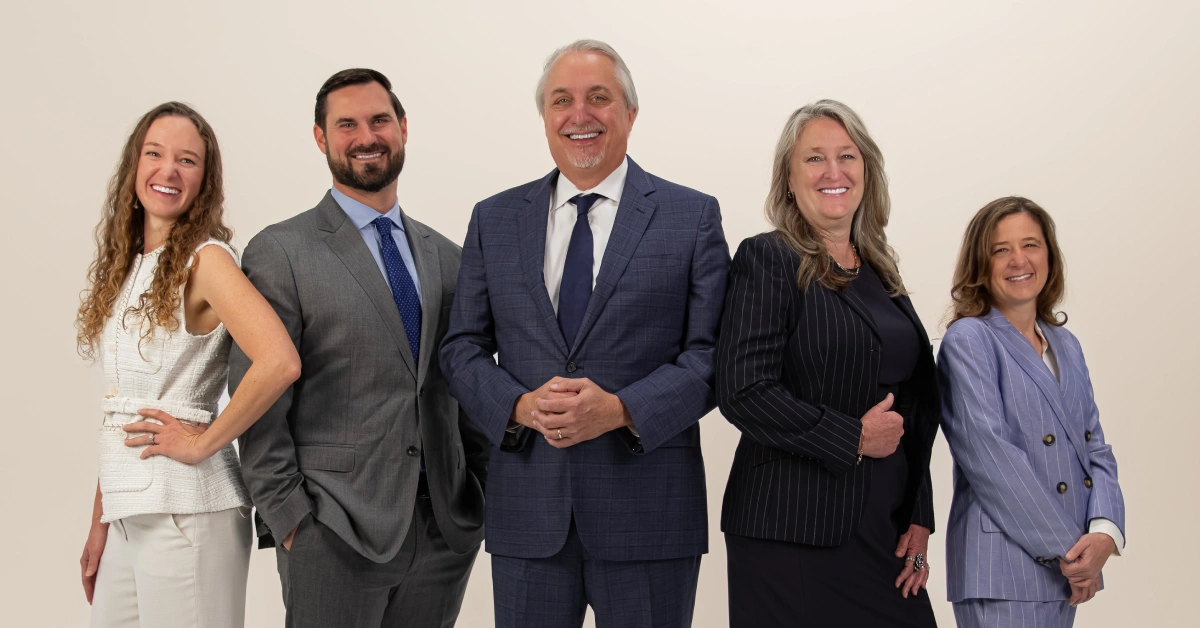
At Buckman, Buckman & Castellano, P.A., we help clients think through difficult end-of-life care decisions and create living wills that clearly express their wishes.
We explain what different life-sustaining treatments involve so you can make informed choices. Medical terminology and treatment descriptions can be confusing—we make sure you understand what you’re deciding.
Next, we draft living wills that meet all Florida legal requirements while using clear language that doctors and family members can easily understand and follow. These are coordinated with healthcare powers of attorney and other advance directives to create comprehensive healthcare planning.
Taking Control of Your Healthcare Future
Nobody likes thinking about end-of-life scenarios, but creating a living will is one of the most important gifts you can give your family. It spares them from making impossible decisions during the worst moments of their lives—and ensures your care reflects your values and wishes.
Contact Buckman, Buckman & Castellano, P.A. to discuss creating a living will. Let us help you create documents that work, have the conversations that matter, and give your family clear direction instead of impossible guesses.
Contact us for a free consultation
We work with clients in Sarasota, Venice, Bradenton, North Port, Tampa, Orlando, Jacksonville and throughout Florida. Get in touch with us today and tell us what happened to you. We will review your case for free and with no further obligation from you.
Buckman, Buckman & Castellano, P.A.